£6.32 – £7.74Price range: £6.32 through £7.74
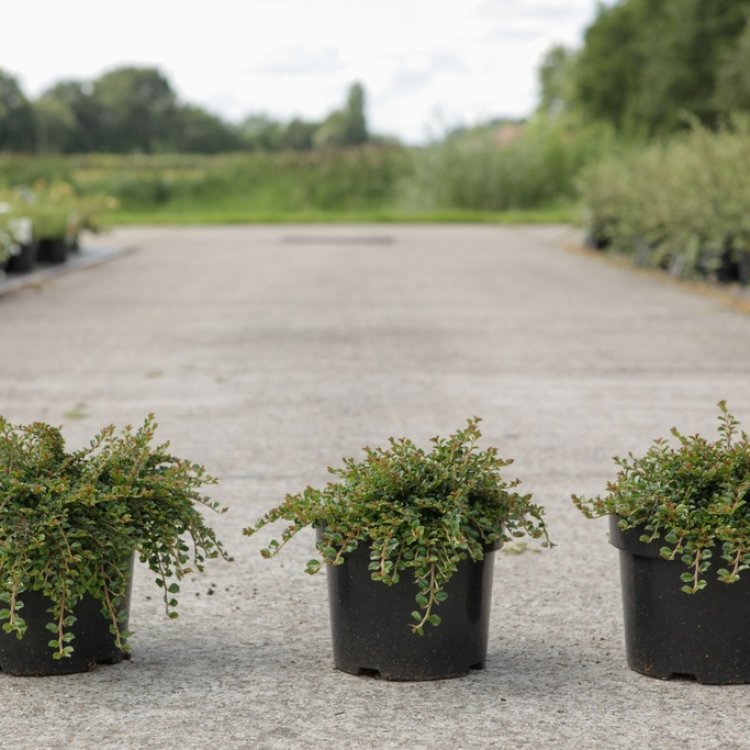
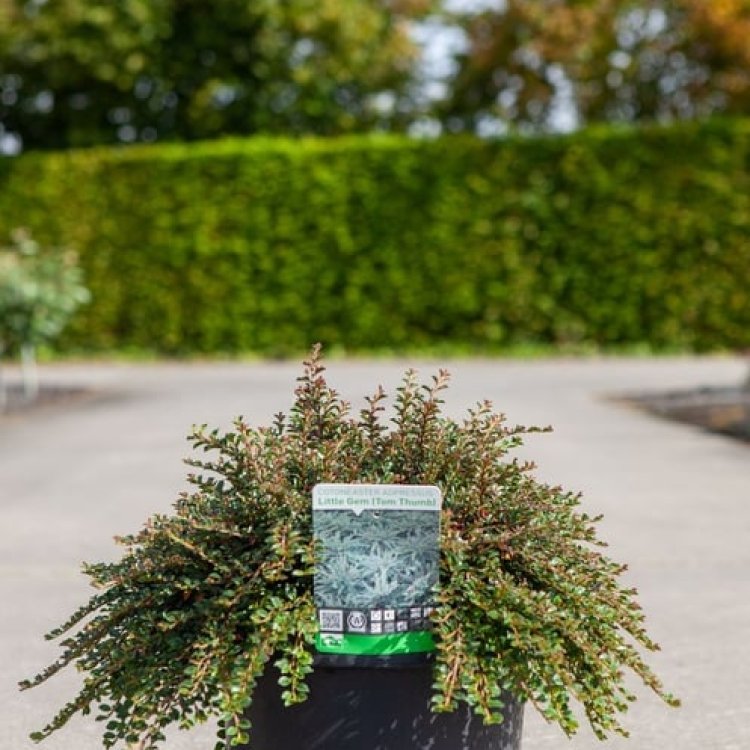
Cotoneaster adpressus ‘Little Gem’ is a charming dwarf shrub, ideal for UK gardens. It offers glossy green leaves, vibrant autumn colours, small flowers for bees, and bright red berries for birds. Perfect for ground cover or borders.
508 in stock
Discover the charm of Cotoneaster adpressus ‘Little Gem’, a versatile dwarf shrub perfect for adding year-round interest and vibrant autumn colour to your garden.
This delightful plant is a popular choice for UK gardens, renowned for its compact growth and excellent seasonal appeal. Originally named ‘Little Gem’ for its diminutive size, it truly lives up to its name, offering a wealth of features in a small package. Its unique adpressed growth habit means its branches lie close to the ground, creating an appealing, dense spread. Furthermore, it provides valuable habitat and food for garden wildlife, making it a wonderful addition to any eco-conscious landscape.
The name ‘adpressus’ refers to the plant’s branches, which grow pressed close to the ground. This creates a neat, low-spreading form. The cultivar ‘Little Gem’ highlights its compact stature, making it ideal for smaller spaces or specific design elements. Its foliage remains a fresh, glossy green through the spring and summer months. As autumn arrives, a spectacular transformation begins. The leaves turn rich shades of crimson, orange, and purple, consequently providing a stunning display of colour.
In late spring, Cotoneaster adpressus ‘Little Gem’ produces numerous small, pink-tinged white flowers. These delicate blooms, while not overtly showy, are a vital source of nectar for various pollinators, especially bees. Subsequently, these flowers develop into a profusion of bright red berries. These berries ripen in autumn and remain on the plant well into winter. Therefore, they offer a cheerful splash of colour against the winter landscape. More importantly, they provide a crucial food source for many bird species, extending the garden’s ecological value throughout the colder months.
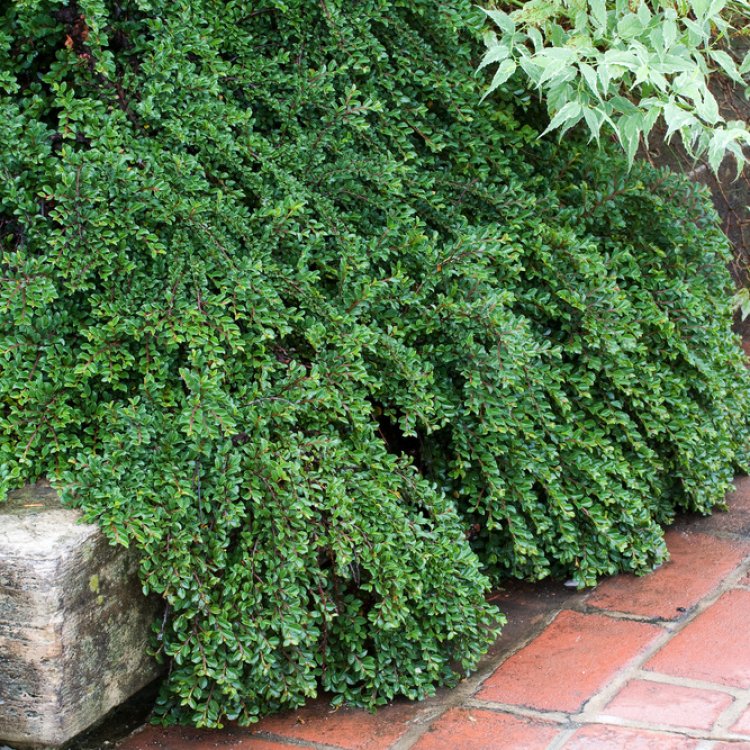
This resilient cotoneaster is incredibly versatile in the garden. Its low, spreading habit makes it an excellent choice for ground cover, effectively suppressing weeds. Additionally, it looks superb cascading over retaining walls or softening the edges of pathways. Many gardeners choose it for rock gardens or the front of borders, where its compact size fits perfectly. It also thrives in containers, adding structure and seasonal interest to patios or balconies. Little pruning is typically needed; however, a light trim to maintain its neat shape can be done in late winter or early spring if desired.
Very hardy. Tolerates temperatures typical of a continental winter.
Cotoneaster adpressus 'Little Gem' is generally low maintenance. Water newly planted specimens regularly until they are well-established; thereafter, they are reasonably drought-tolerant. Minimal pruning is usually required, perhaps just a light trim in late winter or early spring to maintain its desired shape. Fertilise lightly in spring if the soil is poor.
This plant is deciduous so it will lose all of its leaves in the autumn and get fresh new foliage each spring.