£2.97 – £4.37Price range: £2.97 through £4.37
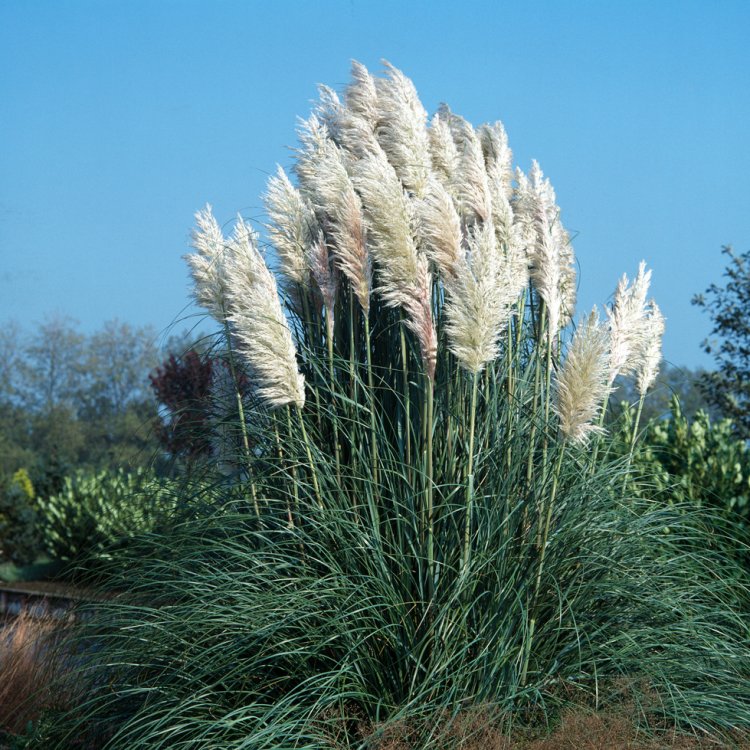
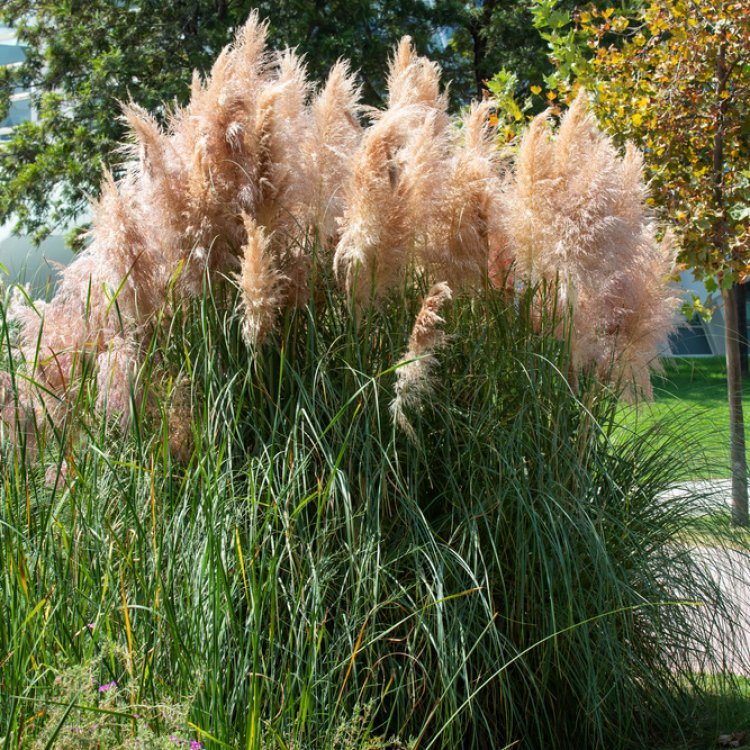
Cortaderia selloana, or Pampas grass, brings dramatic architectural form and graceful movement to UK gardens. Its impressive feathery plumes provide superb seasonal interest from late summer into winter. This robust, adaptable plant creates a striking focal point.
1010 in stock
Cortaderia selloana, commonly known as Pampas grass, brings dramatic architectural form and graceful movement to UK gardens, creating a striking focal point.
This majestic ornamental grass, native to South America, has become a popular choice for gardeners seeking an impressive, low-maintenance plant. Its distinctive plumes offer seasonal interest, transforming landscapes with their feathery texture and visual impact. Cortaderia selloana adds a touch of the exotic to borders and wild gardens alike. It thrives in various conditions across the British Isles.
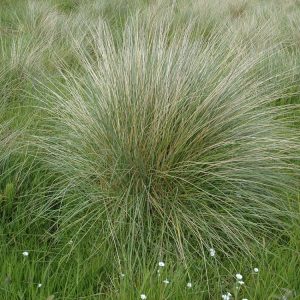
The name Cortaderia originates from ‘corta’, describing its sharp leaf edges. The specific epithet selloana honours Friedrich Sellow, a German botanist. This hardy perennial grass forms dense clumps of long, slender, arching leaves, often creating a fountain-like display.
Typically evergreen in milder UK regions, its foliage can become semi-evergreen or deciduous in colder winters. It still retains much of its form, offering year-round appeal.
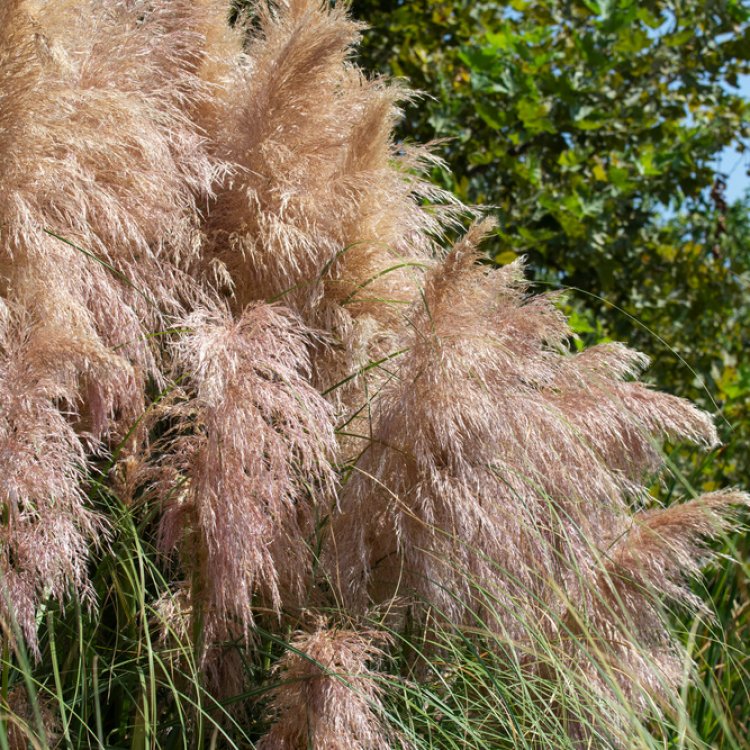
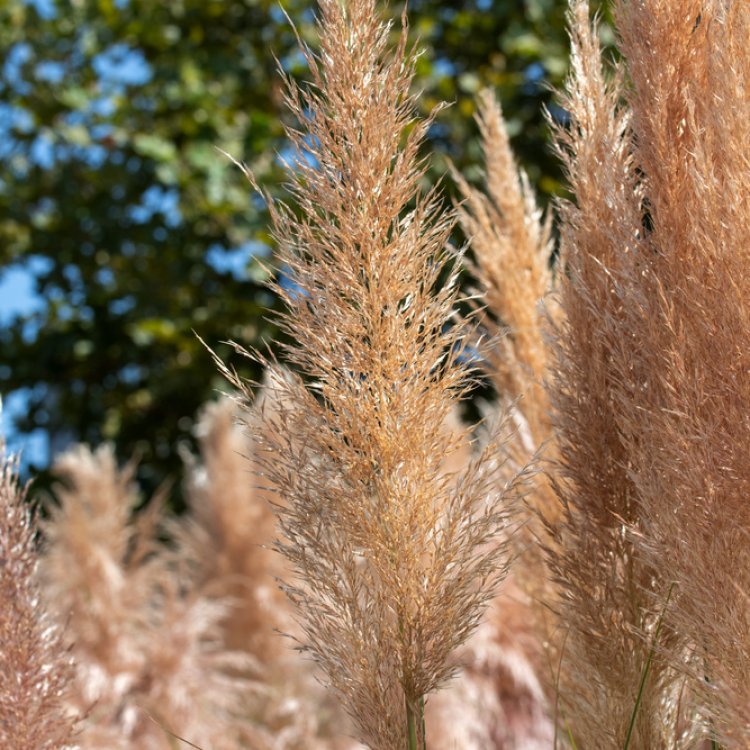
Gardeners value this plant for its bold structure and magnificent flower plumes. In late summer and early autumn, tall stems emerge, bearing the iconic feathery flowerheads. These plumes develop into shades of silvery-white or sometimes pinkish-purple, standing out in the autumn garden.
They persist beautifully through winter, adding texture and height when other plants fade. Cortaderia selloana thus provides extended seasonal appeal, enhancing winter landscapes. The plumes also create subtle movement in the wind, bringing dynamic interest.
Cortaderia selloana makes a superb specimen plant, providing a strong focal point in a large border or lawn. Use it effectively for screening or informal hedging, particularly in larger gardens. Its robust nature makes it ideal for prairie-style plantings, gravel gardens, and coastal locations.
Here it tolerates wind and salt spray well. This impressive grass also benefits local wildlife. Its dense clumps provide essential shelter and nesting opportunities for small birds during colder months. After flowering, seed heads can offer a food source for birds.
Pruning is an important annual task for Cortaderia selloana. Gardeners typically cut back old foliage and flower stems in late winter or early spring, just before new growth starts. This practice encourages vigour and maintains a tidy appearance. Always wear thick gloves and long sleeves when pruning.
The leaf edges are very sharp and can cause cuts. This plant does not require specific shaping, but regular cutting back prevents it from becoming too dense or untidy. Its size and form make it a spectacular addition to many UK garden designs.
Hardy in all of the UK and northern Europe. Suitable for exposed sites.
Water Cortaderia selloana regularly after planting until it establishes. Once mature, it shows good drought tolerance. Feeding is generally not essential. A balanced fertiliser in spring can benefit plants in very poor soils. Annually, cut back all old foliage and spent flower stems hard in late winter or early spring (February-March), before new growth emerges. Always wear thick protective gloves and long sleeves when pruning. Its leaf edges are extremely sharp. This plant needs no specific shaping. Regular removal of old growth keeps it vigorous and tidy. Its H5 hardiness means it needs no special winter protection in most UK gardens.