£4.12 – £6.48Price range: £4.12 through £6.48
Cornus sanguinea, the Common Dogwood, offers stunning red winter stems. Its green summer foliage turns vibrant in autumn, followed by berries for birds. This hardy, versatile shrub thrives in UK gardens, providing year-round interest and supporting wildlife.
430 in stock
Experience the vibrant winter interest of Cornus sanguinea, a versatile shrub celebrated for its striking, colourful stems and adaptability in UK gardens.
Cornus sanguinea, widely recognised as Common Dogwood or Blood-twig Dogwood, is a superb deciduous shrub offering spectacular seasonal appeal. Unlike many plants valued for their flowers, this variety truly shines when its leaves have fallen. It provides a vital splash of colour in the colder months. Moreover, its easy-care nature and benefits for local wildlife make it a popular choice for various garden settings across the United Kingdom.
The botanical name Cornus sanguinea aptly describes this plant. The genus ‘Cornus’ comes from the Latin for ‘horn’, referring to the hard wood. Significantly, ‘sanguinea’ means ‘blood-red’, a clear nod to its most admired feature: the brilliant red stems that emerge after leaf fall. This native European species thrives in the UK climate. Indeed, its resilience makes it a great addition to many garden designs.
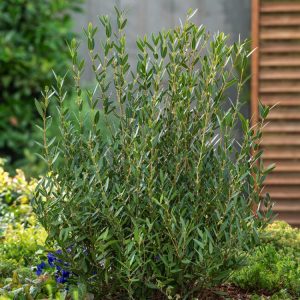
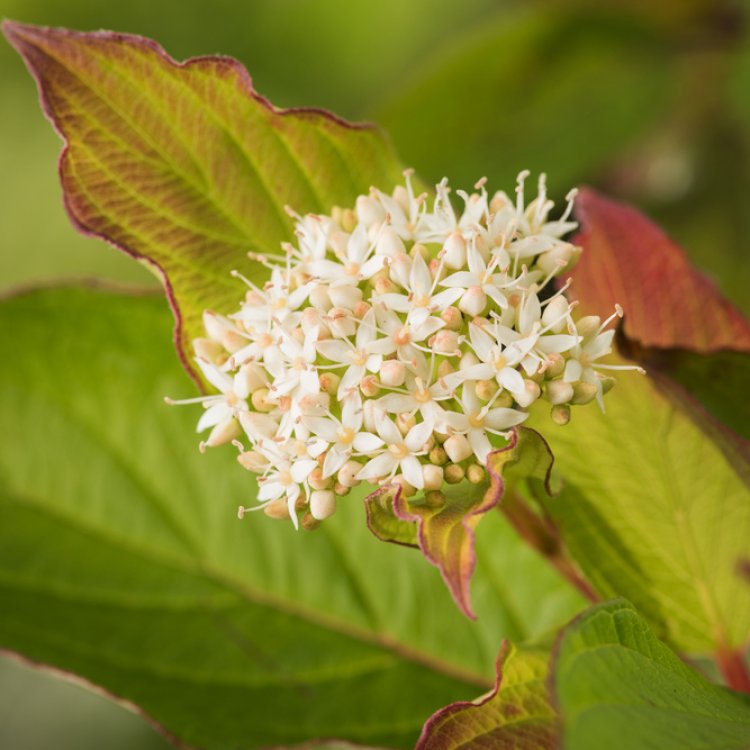
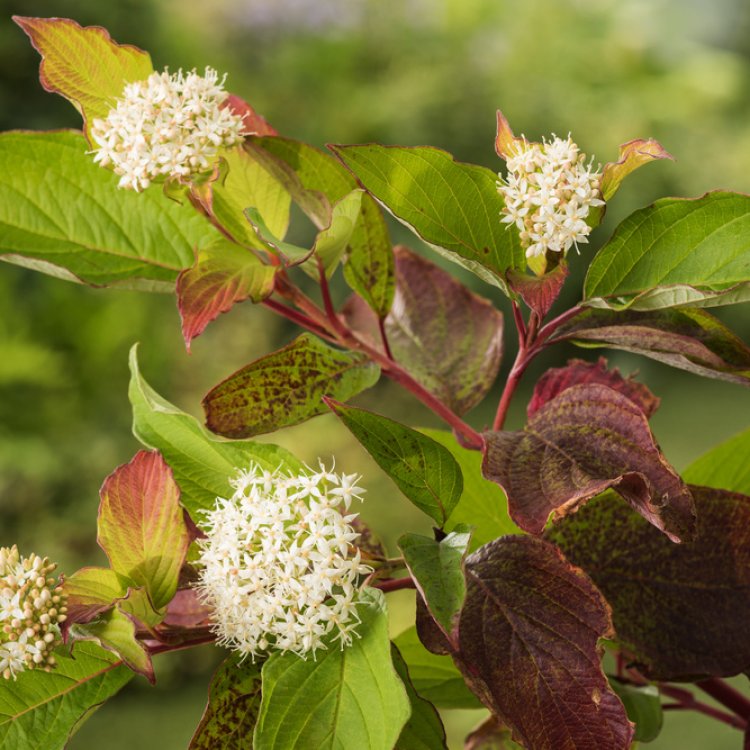
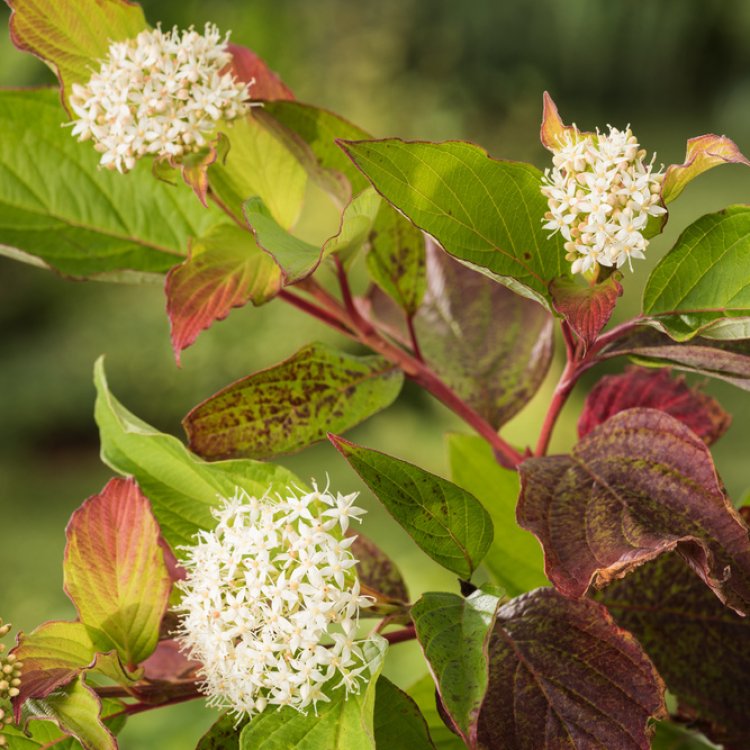
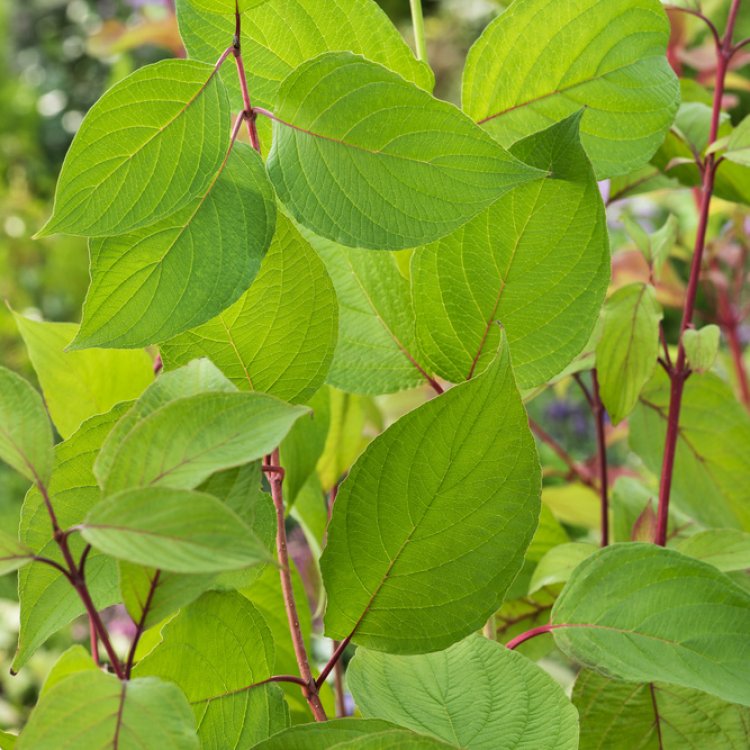
This deciduous shrub provides interest throughout the year. During spring and summer, Cornus sanguinea displays mid-green, oval leaves. These create a lush backdrop in the garden. As autumn arrives, the foliage transforms into rich shades of red and purple. This provides an excellent display of autumn colour. While its small, creamy-white flowers in late spring are modest, they attract various pollinators. Following the flowers, dark blue-black berries form. These berries offer a valuable food source for birds, particularly as winter approaches.
Cornus sanguinea is incredibly versatile. Gardeners often use it to great effect in winter borders. Its vivid stems provide a focal point when other plants are dormant. Furthermore, it works well in mixed shrub beds. You can also plant it along stream banks or at pond edges, as it tolerates moist conditions. Moreover, planting several specimens together creates a dramatic, colourful mass. This method truly enhances its visual impact, especially when viewed from a distance.
To ensure the most vibrant stem colour, gardeners typically prune Cornus sanguinea hard. This crucial task occurs in late winter or early spring, just before new growth starts. Removing older, less colourful stems encourages the plant to produce fresh, brightly coloured shoots. This coppicing technique guarantees a spectacular display each winter. Pruning maintains a manageable size as well.
Cornus sanguinea plays an important role in supporting local ecosystems. Its late spring flowers, though small, are rich in nectar and pollen. Therefore, they attract bees, hoverflies, and other beneficial insects. Later in the season, the dark berries ripen. These provide a much-needed food source for many bird species, helping them through the colder months. Thus, this plant enhances biodiversity in your garden significantly.
Hardy in the harshest UK conditions and below. Suitable for mountain regions.
Cornus sanguinea thrives in a range of soil types, preferring consistently moist but well-drained conditions. Water regularly, especially during dry spells or if planted in a drier spot. For the most vibrant stem colour, prune hard in late winter or early spring, cutting back old stems close to the ground. This encourages new, colourful growth. An annual mulch of well-rotted compost around the base in spring will help retain moisture and provide nutrients. Minimal feeding is usually required once established.
This plant is deciduous so it will lose all of its leaves in the autumn and get fresh new foliage each spring.