£17.50 – £27.52Price range: £17.50 through £27.52
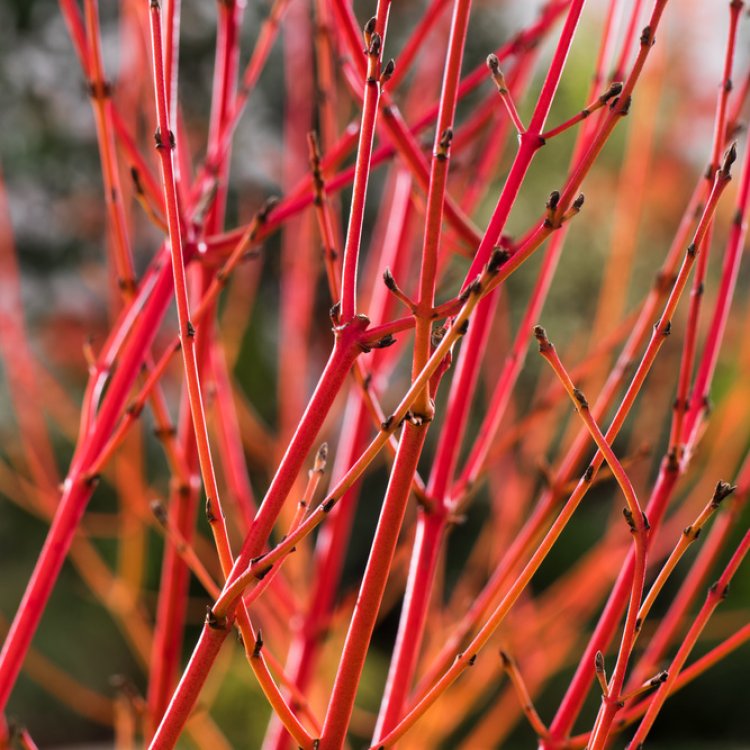
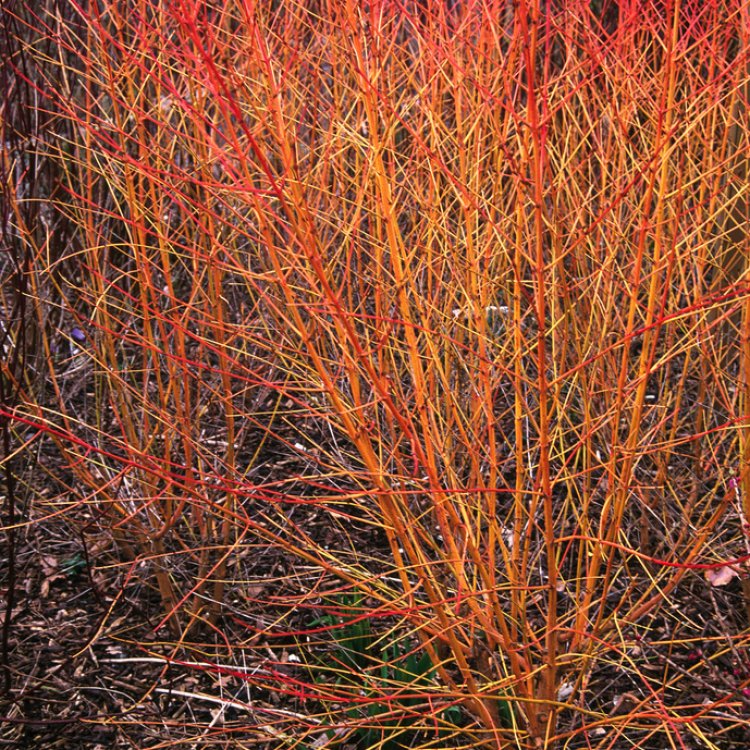
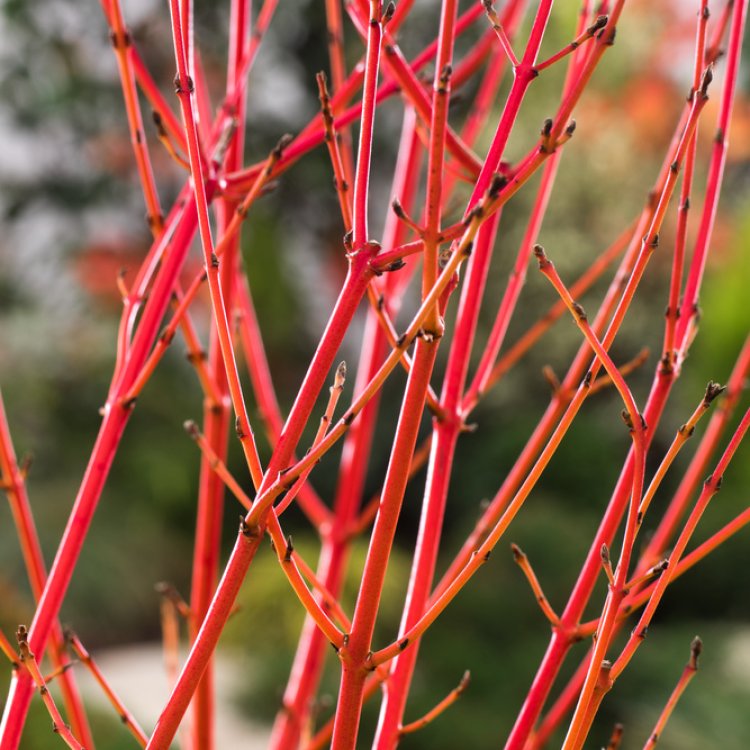
Cornus sanguinea ‘Midwinter Fire’ lights up winter gardens with fiery orange, red, and yellow stems. This hardy Blood-twig Dogwood also provides attractive green foliage in summer, vibrant autumn colour, and supports UK wildlife. A dazzling, low-maintenance choice.
50 in stock
Transform your winter garden with Cornus sanguinea ‘Midwinter Fire’, a captivating dogwood renowned for its fiery stems and year-round appeal.
This striking deciduous shrub, often called Blood-twig Dogwood, brings exceptional colour to UK gardens when most plants are dormant. Its brilliant orange, red, and yellow stems create a stunning visual spectacle throughout the colder months. Beyond its winter display, Cornus sanguinea ‘Midwinter Fire’ offers attractive green foliage during summer, which then transitions into warm autumnal hues. This adaptable plant provides continuous interest, making it a garden favourite for its dynamic seasonal changes.
Cornus sanguinea ‘Midwinter Fire’ truly earns its name with an extraordinary winter show. After its leaves fall in autumn, this Blood-twig Dogwood reveals a stunning array of stems. These glow with fiery shades of orange, vivid red, and sunny yellow. This natural spectacle brightens the garden. It offers a welcome splash of warmth against grey winter skies.
The specific name, `sanguinea`, means ‘blood-red’ in Latin. It refers to the vibrant stem colour typical of many dogwoods. The cultivar name, ‘Midwinter Fire’, perfectly describes its spectacular, flame-like appearance during the coldest months.
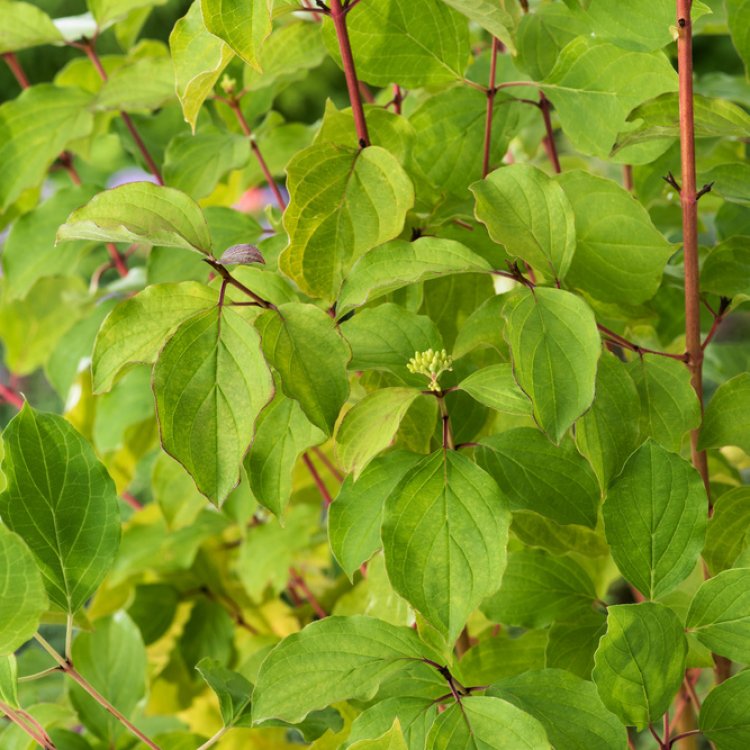
During the warmer spring and summer months, this Common Dogwood presents attractive mid-green, ovate leaves. They provide a lush backdrop in your garden. Small, creamy-white flowers appear in late spring, generally around May and June. While not the main attraction, these delicate blooms offer a subtle charm. Furthermore, they are a valuable food source for various pollinators, including bees and butterflies. Following the flowers, small, dark berries develop. Birds readily feast on these berries, making Cornus sanguinea ‘Midwinter Fire’ a beneficial plant for supporting local wildlife.
Gardeners often choose this vibrant shrub for its impactful winter interest. Plant it in groups for a mass effect, especially near paths or windows where you can fully appreciate its glow. It also works wonderfully as an informal hedge or in mixed borders. Its unique structure adds an architectural element to any landscape design. To ensure the most intense stem colour, prune Cornus sanguinea ‘Midwinter Fire’ hard each year. This encourages the growth of fresh, young stems, which display the most brilliant hues. Timely pruning in early spring, typically March, ensures a spectacular show the following winter.
Hardy in the harshest UK conditions and below. Suitable for mountain regions.
To maintain its vibrant winter stem colour, prune Cornus sanguinea 'Midwinter Fire' hard each year in early spring (March), cutting stems back to about 10-15cm from the ground. Ensure consistent watering, especially during dry spells and when the plant is establishing. Applying a mulch of organic matter annually helps retain soil moisture and enriches the soil.
This plant is deciduous so it will lose all of its leaves in the autumn and get fresh new foliage each spring.