£61.06 – £73.21Price range: £61.06 through £73.21
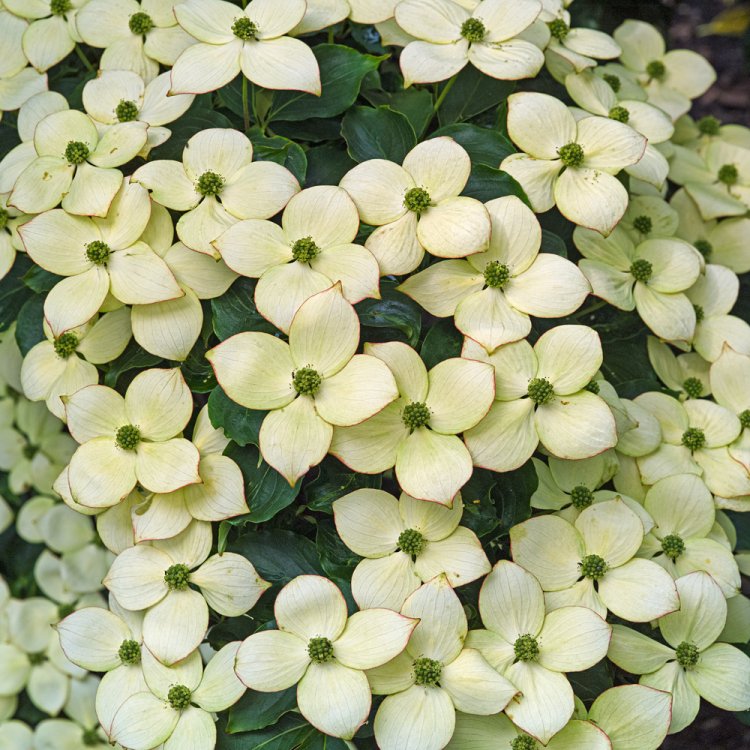
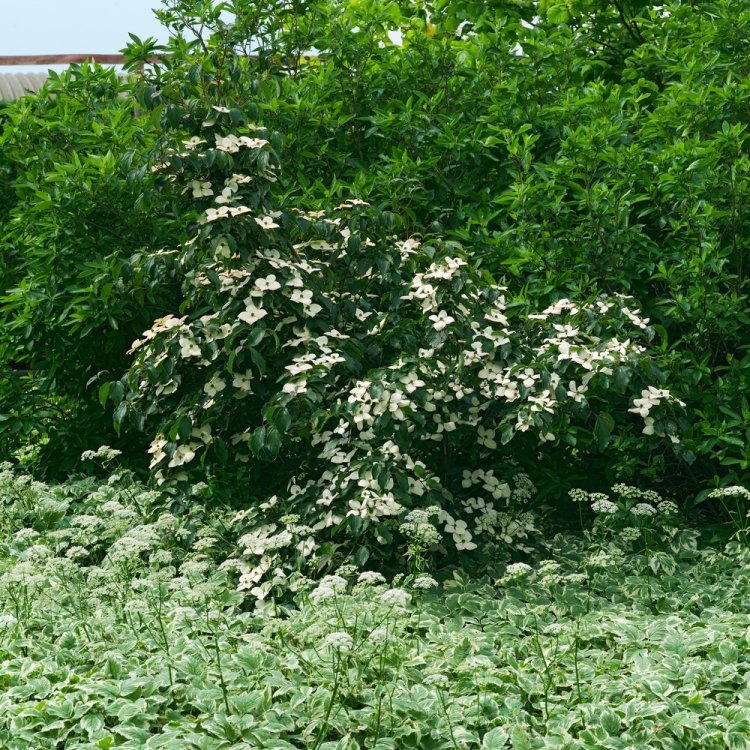
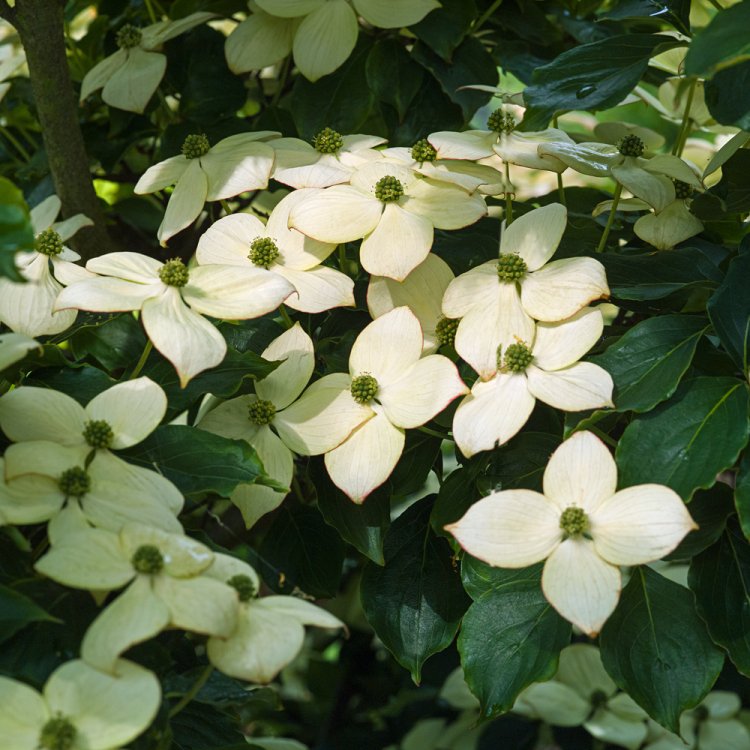
Cornus kousa ‘Schmetterling’ is a stunning Kousa Dogwood, offering white, butterfly-like bracts in late spring. Enjoy vibrant autumn foliage and red, berry-like fruits. This low-maintenance small tree or large shrub is perfect for year-round beauty and attracts garden wildlife.
71 in stock
Discover Cornus kousa ‘Schmetterling’, a magnificent specimen tree. This plant transforms UK gardens with its elegant form and dazzling seasonal displays.
This stunning Kousa Dogwood offers a spectacle through much of the year. Known commonly as Korean Dogwood, it brings unique beauty to any outdoor space. Its charming name, ‘Schmetterling’, means “butterfly” in German. This perfectly describes its delicate, white, wing-like bracts.
The cultivar name ‘Schmetterling’ is German for butterfly. This choice reflects the plant’s beautiful, airy blooms. These are not true flowers. Instead, they are showy bracts. They appear in late spring and early summer. Specifically, this happens during May and June. The bracts create a lovely, floating effect. They give the plant a delicate, yet impressive, appearance.
Cornus kousa ‘Schmetterling’ delivers captivating interest across all seasons. In spring, it unfolds fresh green leaves. These provide a lush backdrop. Then, its distinctive white bracts emerge. They gradually mature. These star-shaped structures are a true highlight. As summer arrives, the bracts fade. However, new interest quickly develops.
The plant then produces attractive, strawberry-like red fruits. These fruits ripen in late summer and early autumn. They offer a delightful contrast against the green leaves. Furthermore, they are a welcome food source for local birds.
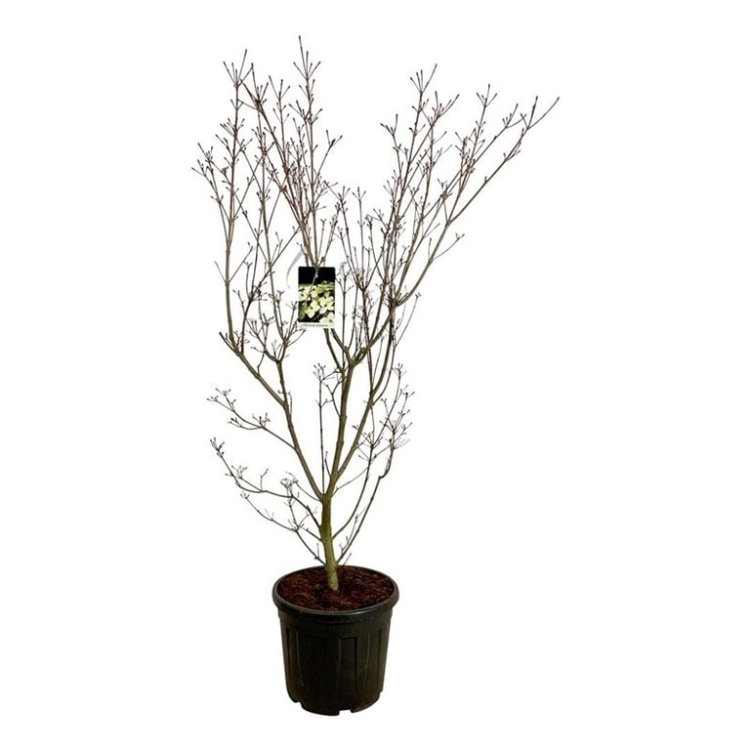
As temperatures cool, the foliage of Cornus kousa ‘Schmetterling’ truly shines. Its green leaves transition into spectacular shades of deep red and purple. This provides an extraordinary display of autumn colour. It transforms the garden into a vibrant tapestry. This makes it a superb choice for adding seasonal drama. The bare winter structure also adds architectural interest. Its branching pattern stands out.
This Kousa Dogwood is an excellent choice for a specimen tree. It creates a focal point in borders or lawns. It also thrives in woodland garden settings. The plant offers shelter and food for various garden wildlife. Its bracts subtly attract pollinators, such as bees and butterflies. Later, the ripe fruits become a valuable food source for birds. This promotes biodiversity within your garden space.
Cornus kousa ‘Schmetterling’ typically grows into an elegant, multi-stemmed shrub or small tree. It develops a graceful, spreading habit. It reaches an approximate height of 5 metres. Its spread can be around 4 metres.
This plant generally requires minimal pruning. Remove any dead, damaged, or crossing branches. Do this in late winter or early spring. This helps maintain its healthy structure. Overall, it is a resilient and rewarding plant. It brings year-round beauty to UK gardens.
Very hardy. Tolerates temperatures typical of a continental winter.
Ensure well-drained, slightly acidic to neutral soil. Water regularly during dry spells, especially in the first few years after planting. Apply a layer of mulch around the base to retain moisture and suppress weeds. Minimal pruning is required; remove dead, damaged, or crossing branches in late winter or early spring to maintain a healthy structure and shape.
This plant is deciduous so it will lose all of its leaves in the autumn and get fresh new foliage each spring.