£63.77 – £73.21Price range: £63.77 through £73.21
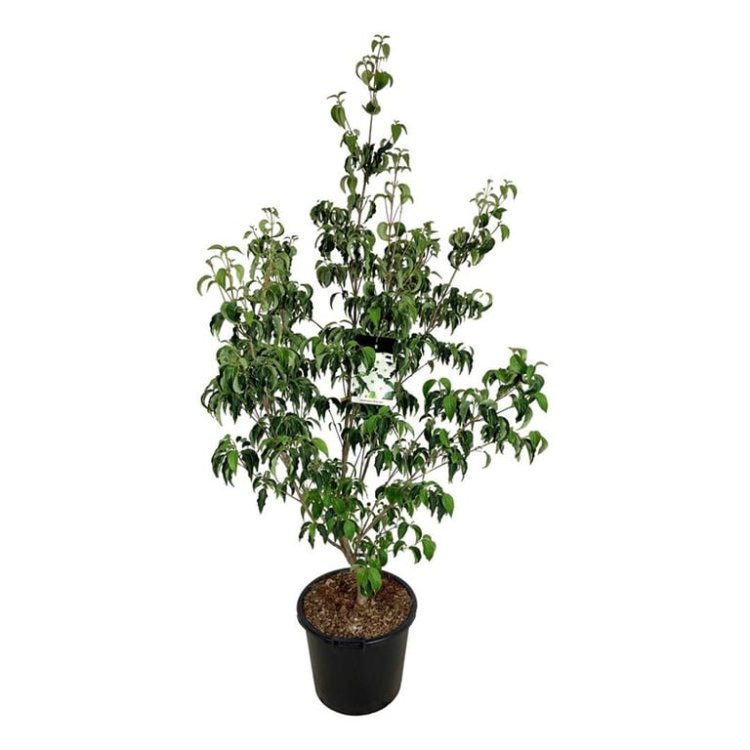
Cornus kousa ‘Milky Way’ is a stunning deciduous dogwood, displaying brilliant white, star-like flower bracts in summer. Its foliage turns fiery red in autumn, alongside unique red fruits. This plant offers exceptional multi-seasonal interest for UK gardens.
35 in stock
Discover Cornus kousa ‘Milky Way’, a stunning deciduous dogwood offering brilliant white blooms, vibrant autumn colour, and unique fruit for UK gardens. This exceptional tree truly brightens any garden space across the United Kingdom. Cornus kousa ‘Milky Way’ makes a superb choice for gardeners seeking year-round interest. Its elegant form and seasonal displays ensure it remains a focal point. Furthermore, this variety provides fantastic visual appeal throughout the spring, summer, and autumn months. Its hardiness and adaptability make it a reliable addition to many garden designs.
Abundant, star-like white flower bracts in early summer.
Spectacular fiery red and purple autumn foliage.
Strawberry-like, edible red fruits appear in late summer.
Attracts birds and other wildlife to the garden.
Deciduous tree or large shrub with an elegant, layered habit.
Cornus kousa ‘Milky Way’ captivates with its outstanding display. This particular cultivar earns its name from the sheer abundance of its brilliant white flower bracts. They appear in early summer, creating a ‘milky way’ effect against the fresh green foliage. These showy bracts surround tiny, inconspicuous true flowers. Gardeners often value this plant for its long-lasting bloom period. After flowering, attractive strawberry-like fruits develop. These unique red berries ripen in late summer. While edible, they possess a somewhat mealy texture. However, birds readily consume them, providing another layer of interest.
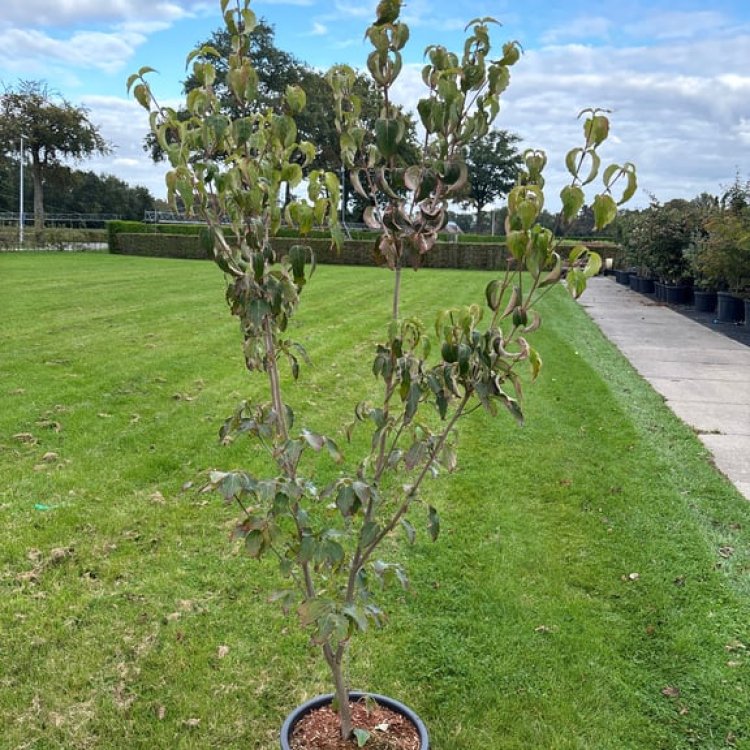
The foliage of this Korean Dogwood provides fresh green colour through spring and summer. As autumn arrives, a magnificent transformation occurs. The leaves transition to fiery shades of red, purple, and orange. This offers a breathtaking spectacle, further enhancing its appeal. This medium-sized tree or large shrub develops a lovely, horizontal branching structure. This characteristic makes it an excellent choice as a specimen plant. You can also feature it at the back of a mixed border. It thrives in well-drained, fertile soil and appreciates a sunny or partially shaded spot. Minimal pruning is usually necessary, focusing on removing any dead or crossing branches. This ensures the plant maintains its natural, elegant shape.
Originating from East Asia, Cornus kousa is commonly known as the Kousa Dogwood. The cultivar ‘Milky Way’ was selected for its exceptional floral display. Many gardeners appreciate its multi-seasonal interest. Furthermore, the plant offers benefits to local wildlife. Its fruits attract various bird species. While the showy bracts are not a major nectar source, insects may visit the small true flowers. Therefore, it makes a welcome addition to a wildlife-friendly garden scheme. Its resilience and beauty ensure it remains a cherished plant for many years.
Hardy in all of the UK and northern Europe. Suitable for exposed sites.
This Cornus kousa 'Milky Way' requires minimal pruning, typically just to remove dead, damaged, or crossing branches after flowering. Water regularly, especially during dry periods and for newly planted specimens, to ensure good establishment. Apply a generous mulch of well-rotted compost or manure around the base annually in spring; this helps retain soil moisture and provides nutrients. Avoid planting in waterlogged conditions as this plant prefers well-drained soil.
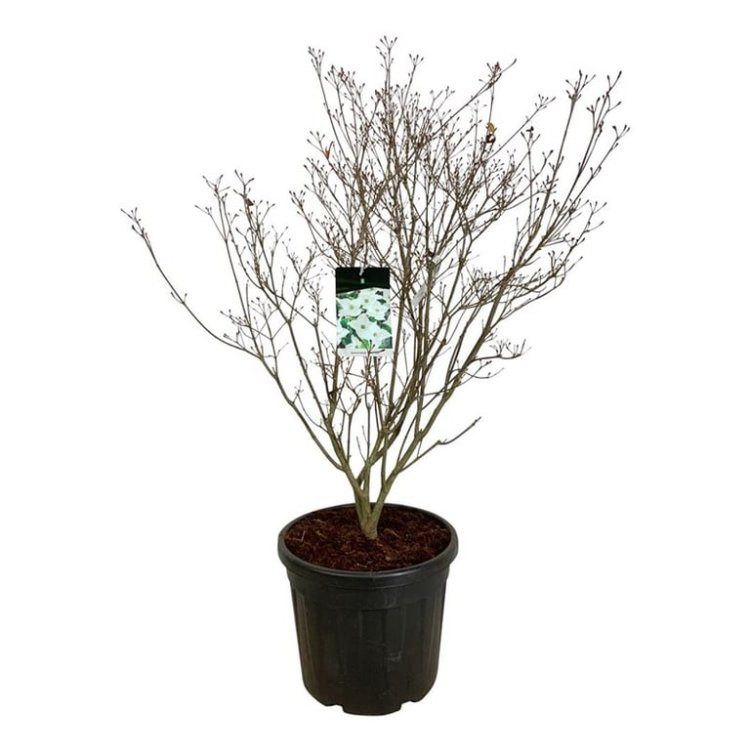
This plant is deciduous so it will lose all of its leaves in the autumn and get fresh new foliage each spring.