£4.97 – £7.33Price range: £4.97 through £7.33
Cornus kousa chinensis, the Chinese Dogwood, offers four seasons of beauty to UK gardens. Enjoy its summer white bracts, vibrant autumn foliage, and red berries, providing elegant year-round interest.
1494 in stock
Discover Cornus kousa chinensis, a magnificent small tree offering seasonal beauty and elegance to any British garden landscape, bringing year-round interest.
This exquisite Chinese Dogwood provides a spectacular display throughout the year, making it a highly valued addition to UK gardens. Originating from East Asia, it boasts an elegant, spreading form. Furthermore, its distinct star-shaped bracts create a stunning visual impact in summer, resembling delicate flowers. As the seasons progress, its dark green leaves transform into breathtaking shades of crimson and purple, truly enhancing autumn scenery. Consequently, it delivers consistent visual appeal from spring through to winter.
Cornus kousa chinensis, commonly known as Chinese Dogwood or Kousa Dogwood, derives its name from its geographical origin. ‘Chinensis’ specifically means ‘from China’. Moreover, ‘Cornus’ comes from the Latin word ‘cornu’, which translates to ‘horn’, referencing the exceptionally hard wood of some dogwood species. The specific epithet ‘kousa’ is rooted in its Japanese common name, highlighting its broader East Asian heritage. This particular cultivar is celebrated for its vigorous growth and abundant flowering.
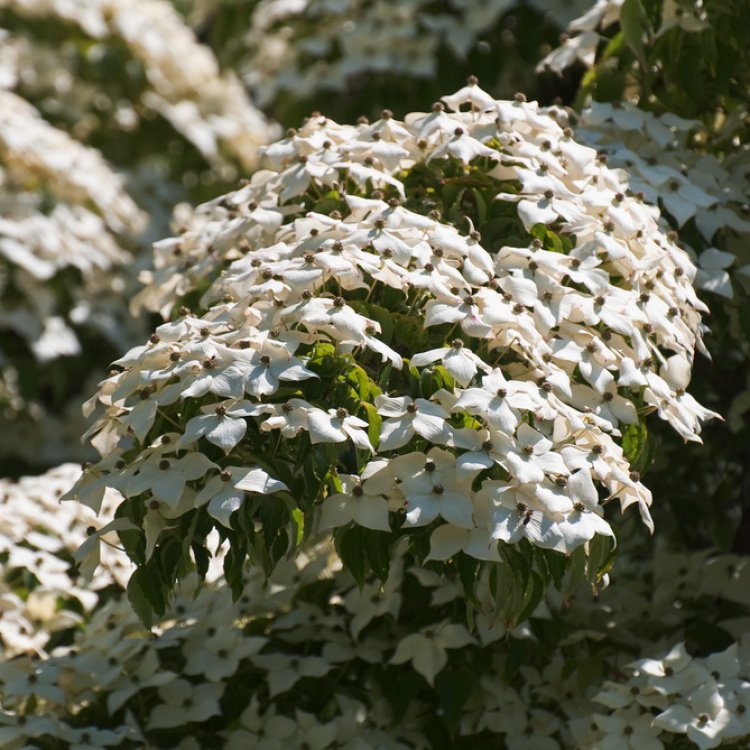
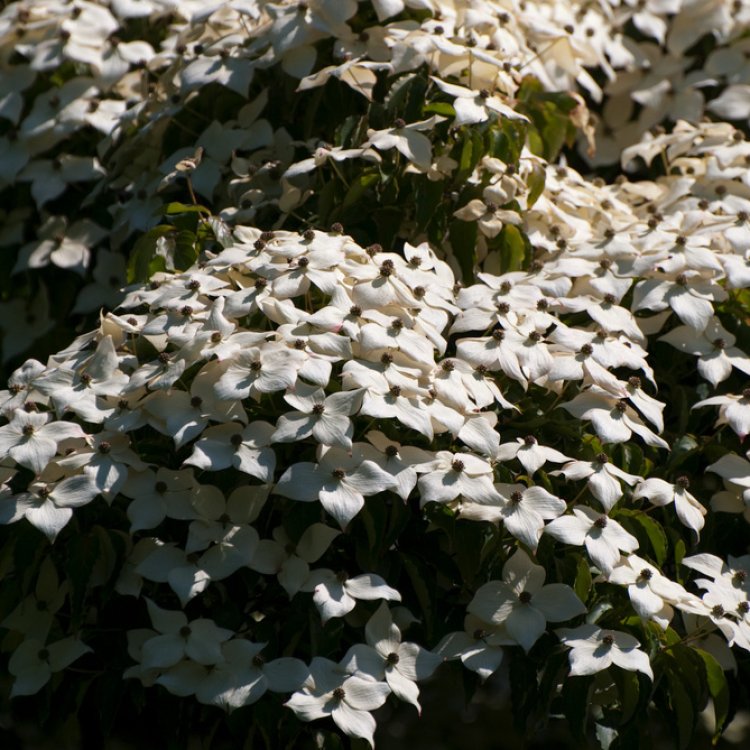
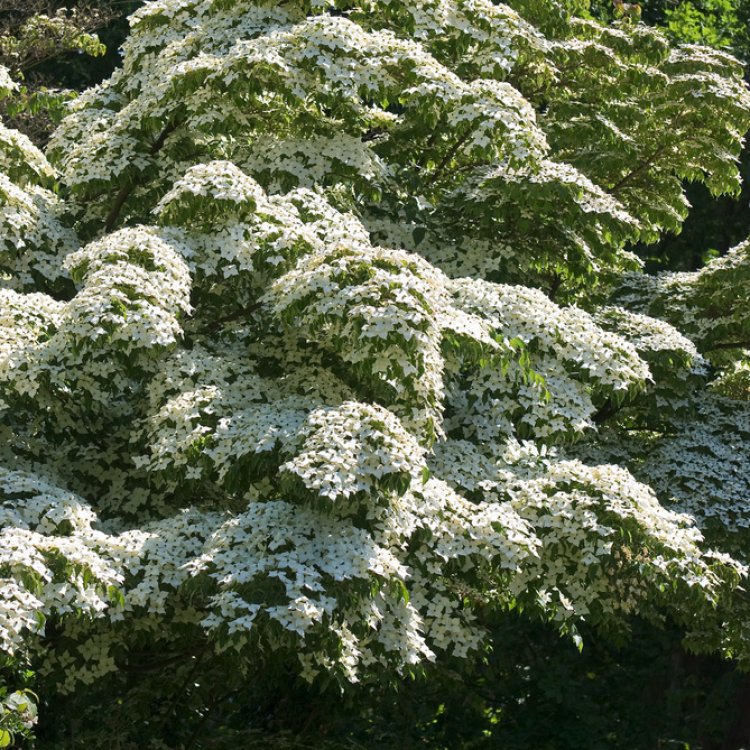
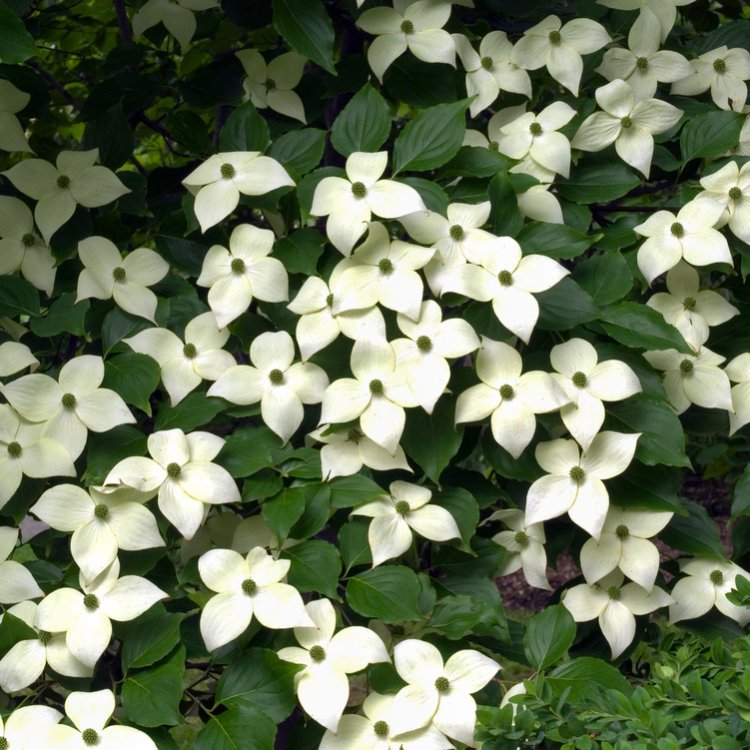
In early to mid-summer, typically June and July in the UK, this tree truly shines. It produces an abundance of creamy-white bracts. These petal-like structures surround the inconspicuous true flowers, forming elegant, star-shaped patterns that almost completely cover the branches. Indeed, these bracts mature slowly, often developing a delicate pink flush before they fade. Throughout the growing season, its oval, dark green leaves provide a lush backdrop. Subsequently, as autumn arrives, the foliage undergoes a spectacular transformation, erupting into brilliant shades of crimson, purple, and fiery orange-red. This vibrant display ensures the tree remains a focal point in the garden.
Following the floral display, Cornus kousa chinensis develops distinctive, strawberry-like red berries. These ornamental fruits mature in late summer and autumn, adding another layer of visual interest. More importantly, they offer a valuable food source for local birds, attracting various species to your garden. Furthermore, the summer bracts provide nectar for pollinating insects, including bees and butterflies. This makes the Chinese Dogwood a wonderful choice for creating a wildlife-friendly garden space. Gardeners often choose this plant as a striking specimen tree, showcasing its multi-seasonal appeal. Additionally, its elegant form makes it suitable for planting at the back of mixed borders, alongside pathways, or within woodland gardens, where it can be admired from all angles. It grows as a small deciduous tree or a large, multi-stemmed shrub. Ultimately, its naturally graceful, spreading habit requires minimal interference.
Very hardy. Tolerates temperatures typical of a continental winter.
Ensure young Cornus kousa chinensis plants receive consistent moisture, especially during dry spells, until established. Apply a layer of organic mulch around the base to retain soil moisture and regulate temperature. Feed annually in spring with a balanced slow-release fertiliser. Pruning is generally minimal, focusing on removing any dead, damaged, or crossing branches after flowering. Maintain its natural, elegant shape, only pruning for aesthetic control or to remove errant growth. Monitor for common pests and diseases, addressing any issues promptly.
This plant is deciduous so it will lose all of its leaves in the autumn and get fresh new foliage each spring.