£20.74 – £23.09Price range: £20.74 through £23.09
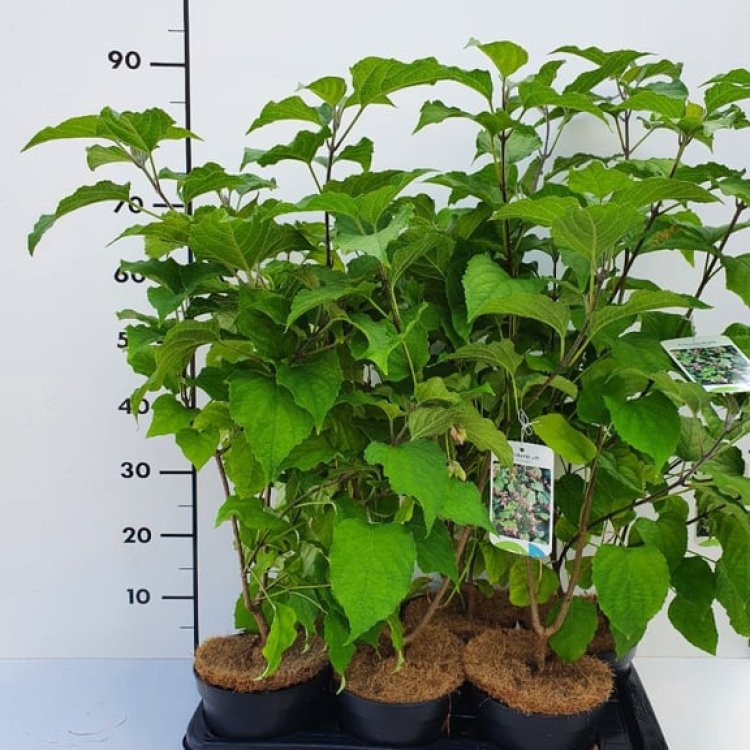
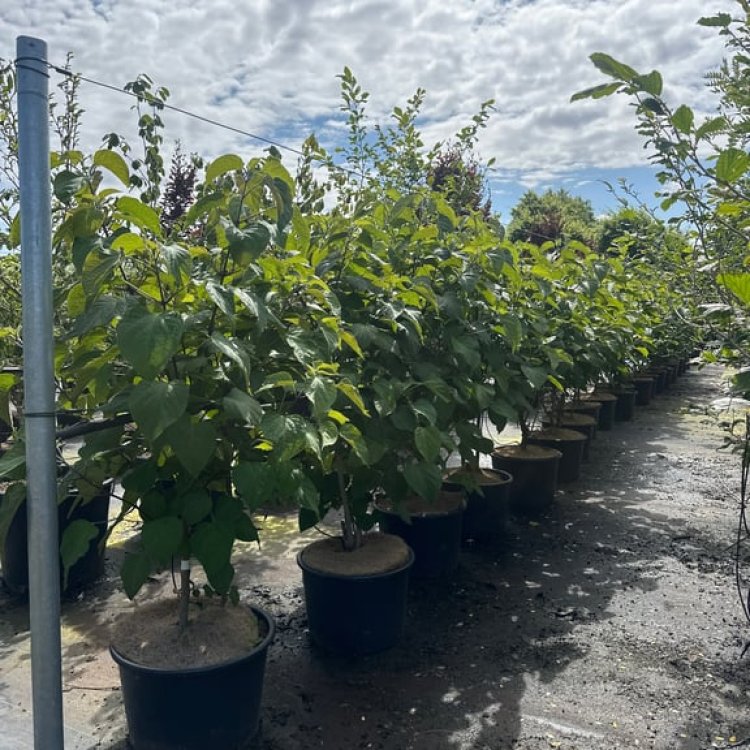
Clerodendrum trichotomum, the Harlequin glorybower, is a striking deciduous shrub. It offers fragrant white flowers with red calyces in late summer, followed by metallic blue berries, and features leaves with a unique ‘peanut butter’ scent.
326 in stock
Clerodendrum trichotomum is an exotic deciduous shrub, bringing delightful fragrance and late-season colour to UK gardens with unique flowers and berries.
Known commonly as the Harlequin glorybower or sometimes the Peanut butter tree, Clerodendrum trichotomum offers a captivating display when many other plants are fading. This beautiful shrub or small tree provides an unexpected burst of interest from late summer into autumn. It thrives in sheltered spots across the UK, creating an engaging focal point. Its intriguing features make it a truly special addition to any garden setting.
The Harlequin glorybower truly earns its name with a vibrant, two-toned floral show. From August through October, clusters of starry, fragrant white flowers unfurl. Each bloom nestles within a distinctive, fleshy, crimson-red calyx. This colour contrast is simply stunning.
After the flowers fade, these bright calyces remain, creating an eye-catching backdrop. Then, glossy, metallic blue berries appear, offering a vivid spectacle. This unique combination ensures seasonal interest for many weeks.
The genus name ‘Clerodendrum’ comes from Greek words ‘kleros’ (chance or fate) and ‘dendron’ (tree). Furthermore, ‘trichotomum’ references its branching habit, meaning ‘three-forked’ in Latin.
Beyond its flowers and fruits, Clerodendrum trichotomum presents appealing foliage. Its large, heart-shaped leaves are a fresh green colour throughout the growing season. Notably, when you gently crush these leaves, they release an unusual, savoury scent, often likened to peanut butter. This feature adds a sensory dimension to the garden.
As a deciduous plant, it sheds its leaves in autumn, but not before they deliver some subtle yellow tones. The plant typically forms a multi-stemmed shrub. However, with careful pruning, it can develop into a graceful small tree, offering an attractive architectural structure.
This magnificent plant makes an excellent specimen. It commands attention when planted alone, yet it also complements other plants beautifully. Position Clerodendrum trichotomum at the back of a shrub border to provide height and late-season allure. It thrives best in a sheltered location, protecting it from harsh winds.
Many gardeners also appreciate its value in a wildlife garden. The fragrant flowers draw in bees and butterflies, providing essential nectar late in the season. Later, the striking blue berries become a valuable food source for various bird species, bringing life to your outdoor space.
Hardy across most of the UK except particularly exposed or cold regions.
Clerodendrum trichotomum requires regular watering, especially during dry spells and in its first few years after planting. Apply a general-purpose balanced fertiliser in early spring as new growth appears to support vigorous development. Prune in late winter or early spring before new growth starts, removing any dead, diseased, or crossing branches. You can also prune to maintain desired size and shape; for larger leaves, it can be coppiced hard every few years. Choose a sheltered site to protect it from harsh winds and late frosts, particularly when young. Mulch the base in autumn to provide root protection and retain soil moisture. This plant is generally trouble-free regarding pests and diseases, but always keep an eye out for common garden issues.
This plant is deciduous so it will lose all of its leaves in the autumn and get fresh new foliage each spring.