£17.95 – £20.30Price range: £17.95 through £20.30
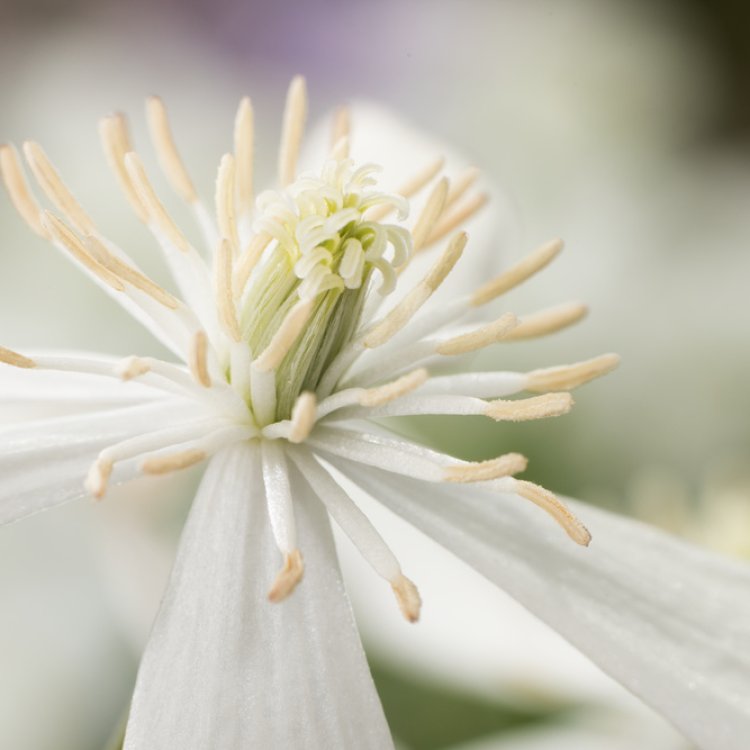
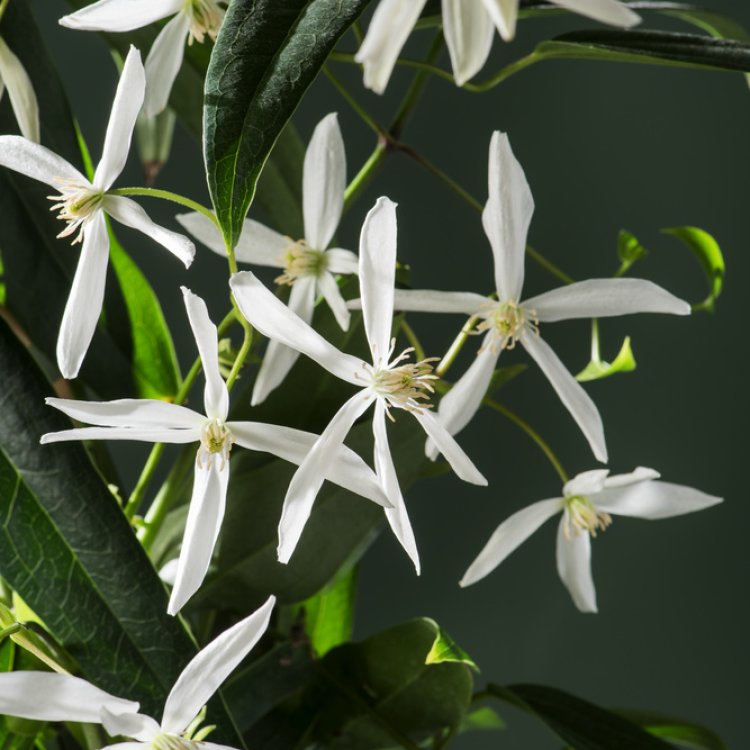
Clematis armandii is an exquisite evergreen climber, celebrated for its early spring display of fragrant white blooms. Its glossy foliage provides year-round appeal, while also attracting bees to your UK garden. An elegant and vigorous choice for walls and pergolas.
342 in stock
Discover Clematis armandii, a captivating evergreen climber, ideal for bringing early spring interest and a delightful fragrance to your UK garden.
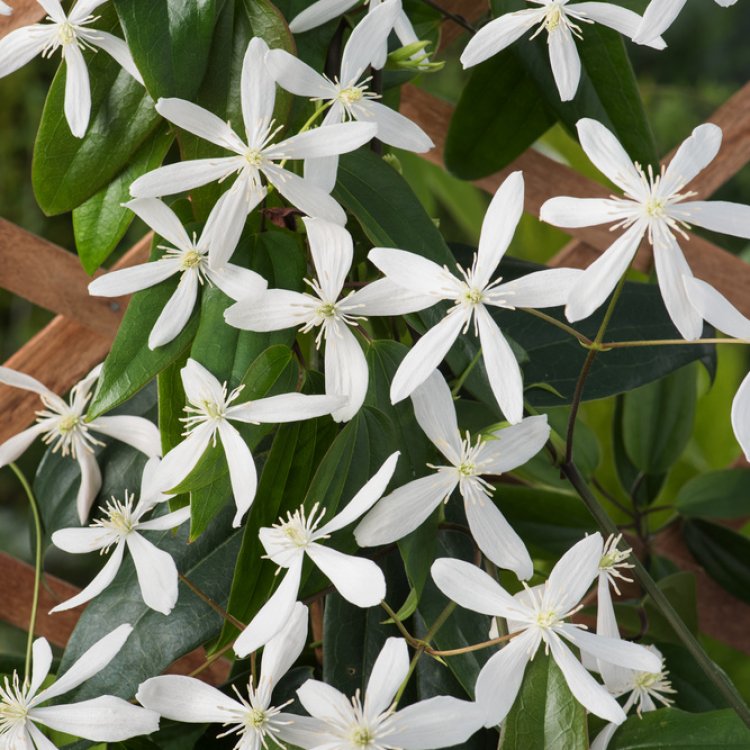
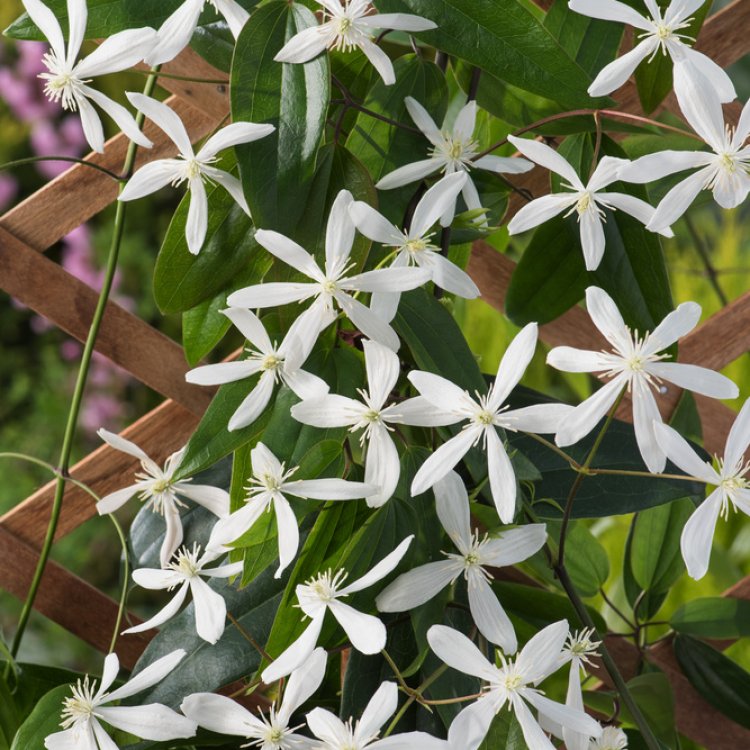
Clematis armandii, also known as Armand Clematis or Evergreen Clematis, is a vigorous and enchanting climbing plant. It originates from China and stands out with its profusion of star-shaped, fragrant white flowers. These blooms appear in early spring, often before many other garden plants awaken. Its glossy, leathery foliage remains year-round, offering consistent beauty even in winter months. This adaptable climber will transform walls, pergolas, and fences into vibrant features.
The botanical name, Clematis armandii, honours Father Armand David, a French missionary and naturalist. He first discovered this beautiful plant during his travels in China in the 19th century. This climbing species presents a truly dramatic display of growth and foliage. Its robust stems quickly cover structures, creating a lush green canvas.
The leaves of Clematis armandii are a key feature. They are large, dark green, and possess a distinct leathery texture. Furthermore, they are evergreen, ensuring year-round visual appeal. New shoots often emerge with an attractive bronze hue, adding further seasonal interest. This dense foliage provides excellent screening and privacy where needed.
Flowering commences in early spring, typically from March into April in UK gardens. This is a time when the garden truly benefits from a burst of life. Clematis armandii produces masses of white, star-shaped flowers. Each bloom carries a sweet, vanilla-like fragrance, which can perfume an entire garden area. Some varieties may feature a delicate pink flush to their petals, adding subtle variation.
Beyond its beauty, this plant is also a friend to garden wildlife. Its abundant early spring flowers provide a valuable nectar source for emerging bees and other pollinators. Consequently, planting Clematis armandii helps to support local ecosystems. It creates a vibrant habitat, encouraging beneficial insects to visit your outdoor space.
This vigorous climber is perfect for adorning large walls, sturdy pergolas, and robust fences. It can also gracefully ramble through trees or shrubs, offering a naturalised effect. When planting, ensure it has adequate support for its climbing stems. Clematis armandii does not typically require routine pruning, which makes it an easy-care choice for many gardeners. However, light shaping or removal of dead wood can be done after flowering to maintain its desired form. Its rapid growth makes it an excellent choice for quickly covering unsightly features or creating green backdrops.
Hardy across most of the UK except particularly exposed or cold regions.
Clematis armandii thrives with regular watering, especially during dry spells and in its first year of establishment. Ensure the soil remains consistently moist but not waterlogged. Feed with a balanced general-purpose fertiliser in early spring as new growth begins. Provide strong support for its vigorous climbing stems, such as a sturdy trellis, wires, or an arbour. Pruning is generally not required for this Group 1 Clematis; simply remove any dead, damaged, or weak stems after flowering. To restrict its size or tidy its shape, prune lightly immediately after it has finished blooming. Keep the root zone cool and shaded, perhaps by planting low-growing shrubs or placing stones at its base.