£10.93 – £13.28Price range: £10.93 through £13.28
Choisya ternata, the Mexican Orange Blossom, offers year-round evergreen foliage and fragrant white flowers in spring, often repeating in autumn. This hardy, low-maintenance shrub attracts pollinators and adds a delightful citrus scent to any UK garden.
300 in stock
Choisya ternata, the Mexican Orange Blossom, brings vibrant evergreen foliage and fragrant white flowers to UK gardens, creating year-round interest and charm.
This delightful shrub, Choisya ternata, offers a wonderful sensory experience. Its glossy, aromatic leaves stay green all year, providing a constant backdrop in any garden. In spring, many star-shaped, white flowers appear, releasing a sweet, citrusy scent that truly captivates. Often, it blooms again in autumn, extending its season of beauty. Gardeners value its strong nature and how easily it adapts, making it a popular choice for many planting ideas across the UK.
The genus Choisya honours Jacques Denis Choisy, a respected Swiss botanist. Its name, ‘ternata,’ clearly describes its leaves. These grow in distinct groups of three leaflets. This plant comes from Mexico and the southern United States. There, it grows naturally in its native habitat.
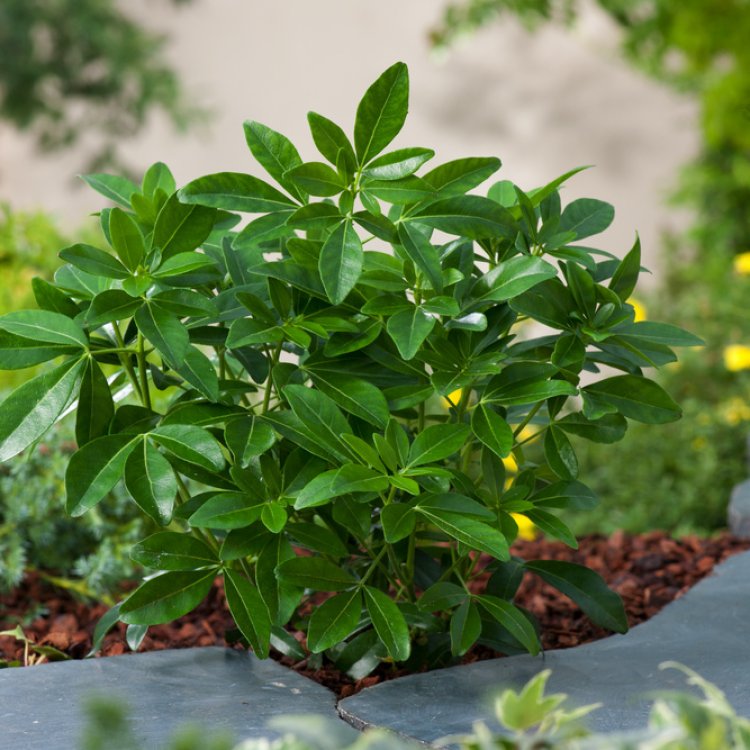
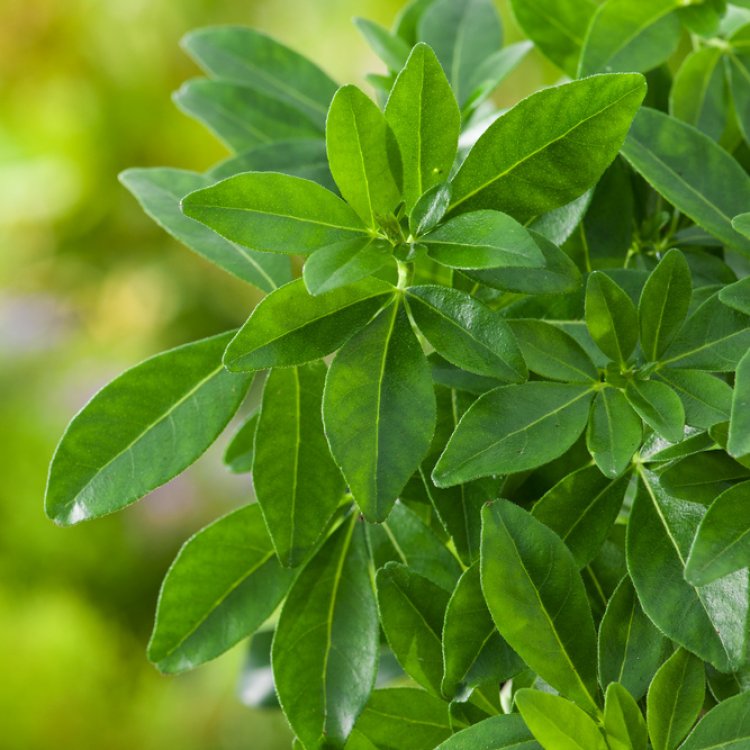
Choisya ternata shows off appealing, bright green leaves. Each leaf has three clear leaflets. They arrange themselves in a pleasing pattern. When you crush the leaves, a strong citrus-like smell releases. This adds another lovely touch to the plant. Its evergreen nature means it looks good all year, even in cold winter months.
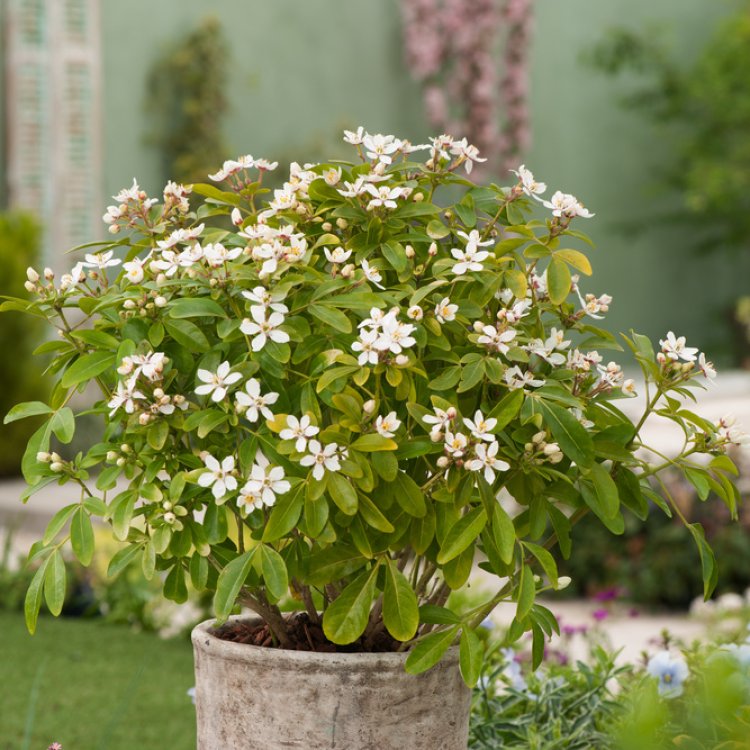
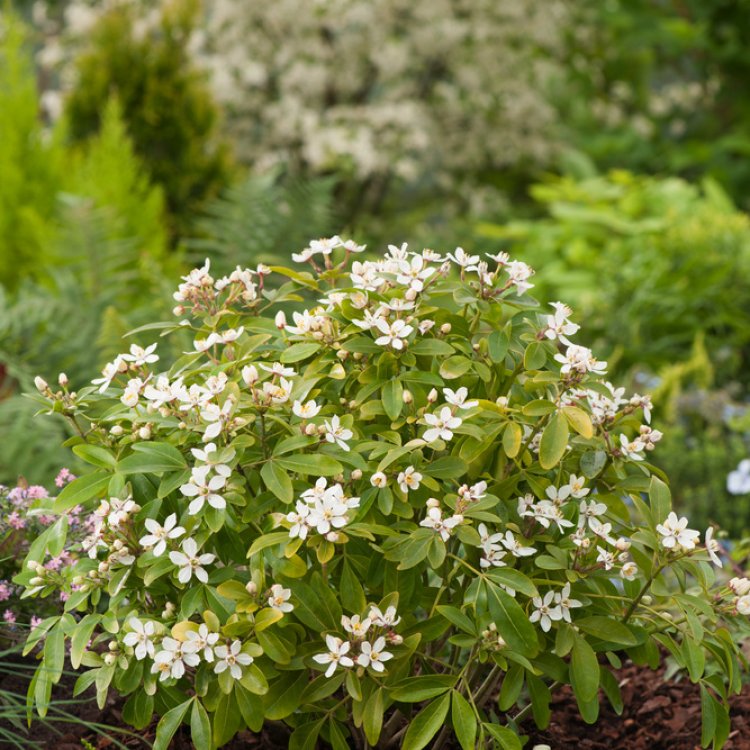
The flowers appear in late spring, usually in April and May. Many delicate white flowers open up. These charming, star-shaped blooms not only look good but also give off a strong, sweet smell. It reminds you of orange blossom, which gives it the common name, Mexican Orange Blossom.
Often, good conditions lead to a second, smaller burst of flowers in early autumn. This brings renewed beauty. The nectar-rich flowers draw in pollinators like bees and butterflies. Therefore, planting Choisya ternata helps local wildlife thrive.
Gardeners often use Choisya ternata as a single specimen plant. This lets its natural shape stand out. It also works well in mixed borders, adding structure and evergreen appeal.
Its dense growth makes it good for informal hedges or screens. This creates privacy or marks out garden areas. You can also grow it in big pots, especially on patios. This brings its lovely scent closer to seating spots.
Pruning Choisya ternata is quite simple. After the main spring flowering, you can lightly trim the plant. This helps keep its shape and makes it grow bushier. This also encourages the second autumn bloom. Generally, this plant asks for very little fuss.
Hardy across most of the UK except particularly exposed or cold regions.
Water newly planted Choisya ternata regularly during its first growing season, especially during dry spells, to help it establish. Once established, it is relatively drought-tolerant, but benefits from occasional deep watering in prolonged dry periods. Avoid waterlogging.
Generally, Choisya ternata does not require much feeding. If planted in poor soil, a light application of a balanced slow-release fertiliser in spring can encourage vigorous growth and flowering.
Prune Choisya ternata after its main flush of flowers in late spring/early summer. Lightly trim to maintain a compact shape and remove any dead, damaged, or unruly branches. This encourages a bushier habit and can promote a second, smaller flush of flowers in autumn. For older, overgrown plants, a harder renovation prune can be done in spring, though this may reduce flowering for that year.
Choisya ternata is generally a robust plant with few serious pest or disease issues. Occasionally, snails and slugs may feed on young growth. Root rot can occur in poorly drained, waterlogged soils.
In colder parts of the UK or in exposed sites, young plants may benefit from some winter protection, such as a horticultural fleece, during particularly harsh frosts. Established plants are generally hardy (RHS H4).