£17.42 – £19.78Price range: £17.42 through £19.78
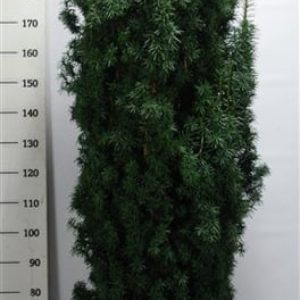
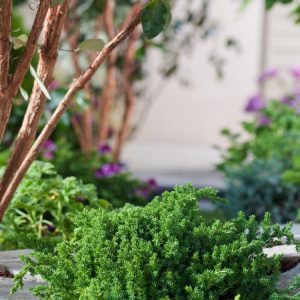
Cephalotaxus harringtonii ‘Duke Gardens’ is an exquisite, low-growing evergreen plum yew. Perfect for UK gardens, it offers year-round dark green foliage and thrives in shade. This resilient plant is also low maintenance, creating a compact, spreading display.
470 in stock
Discover Cephalotaxus harringtonii ‘Duke Gardens’, a superior evergreen plum yew perfect for adding texture and reliable greenery to any UK garden space.
This exceptional cultivar, Cephalotaxus harringtonii ‘Duke Gardens’, offers a refined, resilient presence. Originating from Duke Gardens in North Carolina, USA, this plant stands out for its unique form and elegant foliage. Its slow-growing, spreading habit ensures versatility, fitting seamlessly into various garden designs. Gardeners appreciate its understated beauty, providing year-round interest without excessive demands. Its common name, Plum Yew, aptly describes its resemblance to true yews and its distinctive fruit.
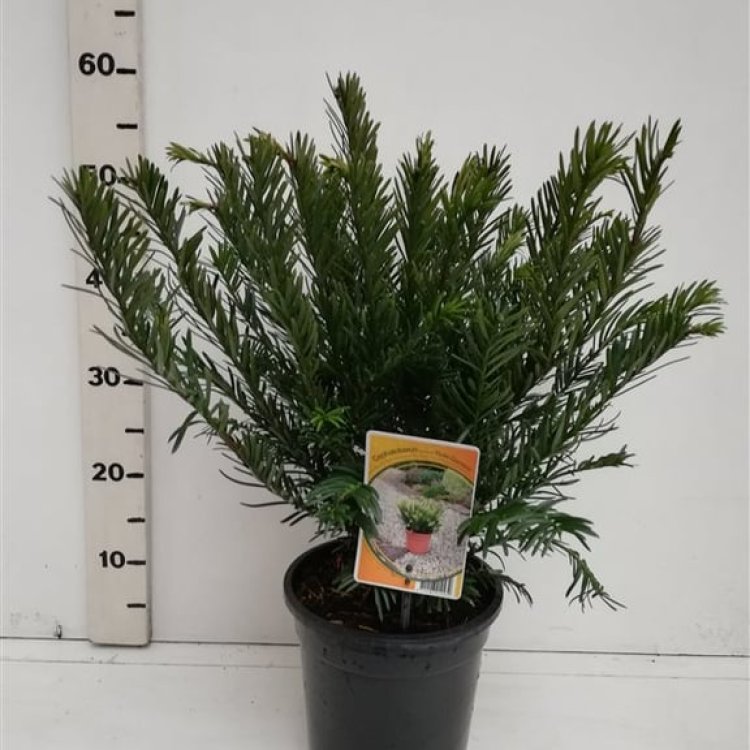
Cephalotaxus harringtonii ‘Duke Gardens’ is a superb evergreen conifer, often called the Plum Yew. Its dense, spreading form and lustrous, dark green needles truly elevate garden design. Slow growth ensures a compact silhouette, making it excellent for many UK garden applications. Gardeners appreciate its steady development, creating timeless appeal.
The scientific name, Cephalotaxus, relates to the yew and its head-like male cones. The species name, harringtonii, honours the Earl of Harrington. This specific ‘Duke Gardens’ cultivar was discovered and propagated at the renowned Duke Gardens.
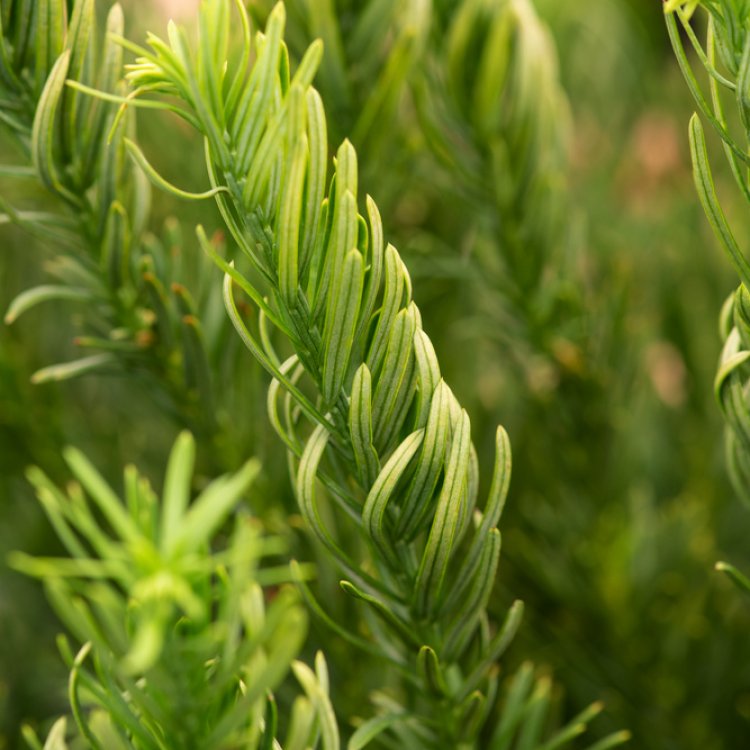
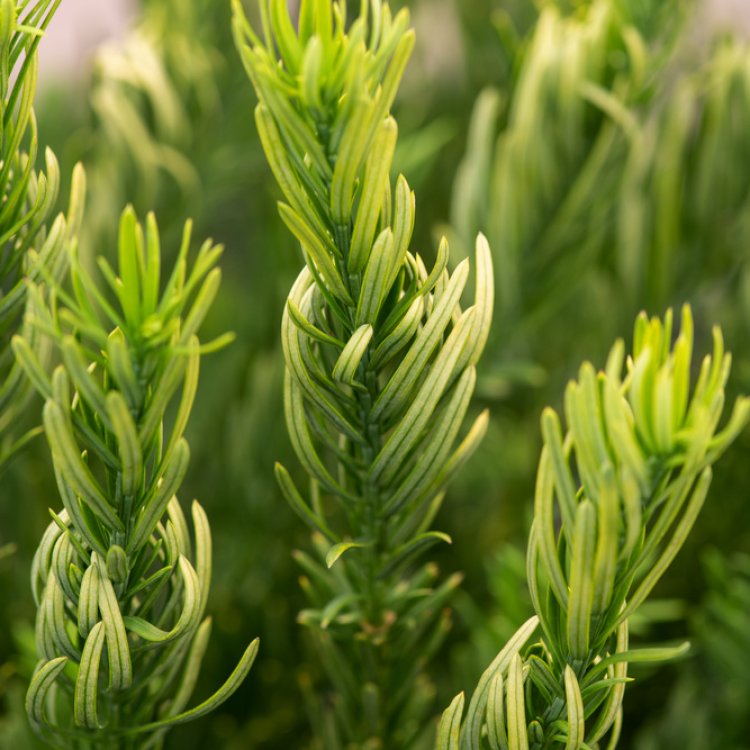
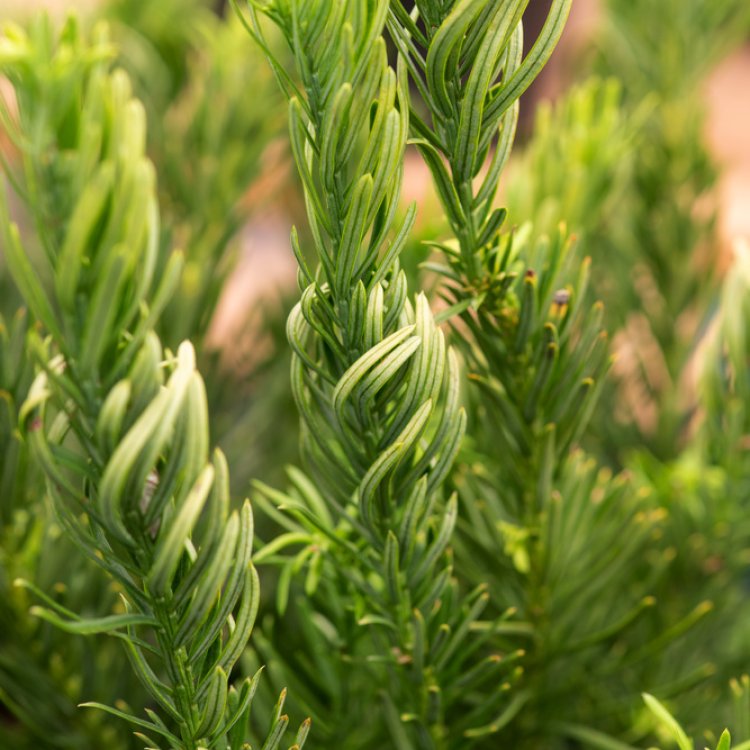
This Plum Yew features deep green, linear foliage arranged spirally along its stems. Its glossy needles remain vibrant through all seasons, consistently providing colour and texture to your garden space.
In a UK garden, Cephalotaxus harringtonii ‘Duke Gardens’ proves incredibly versatile. It works wonderfully as groundcover. It forms a luxurious green carpet under taller trees and shrubs. Many gardeners also use it effectively for edging borders or mass planting, creating a cohesive evergreen display.
Its tolerance for shade, including dry shade, makes it invaluable for difficult planting spots where many other plants struggle. Established plants can even produce small, olive-like fruits. These mature to a reddish-purple hue, offering subtle visual interest and providing food for garden birds.
This Cephalotaxus needs little pruning. Its naturally neat habit means it rarely needs extensive shaping. However, you can lightly trim it to maintain a desired form or size, especially when used as a low hedge. Its dense structure provides excellent shelter for small garden wildlife throughout the year.
Hardy in all of the UK and northern Europe. Suitable for exposed sites.
Water regularly until established, especially during dry spells. Prefers well-drained soil; avoid waterlogging. Mulch around the base to retain moisture and suppress weeds. Requires minimal pruning; only trim to maintain shape or size. Feed annually in spring with a balanced slow-release fertiliser for optimal health.