£36.79 – £39.15Price range: £36.79 through £39.15
Cedrus libani ‘Glauca’, the beautiful Blue Cedar, is a majestic evergreen conifer. It provides stunning blue-grey foliage all year round, ideal as a grand specimen tree in larger UK gardens, offering impressive structure and wildlife shelter.
93 in stock
Discover the stately beauty of Cedrus libani ‘Glauca’, a magnificent evergreen conifer gracing UK gardens with its striking blue-grey foliage.
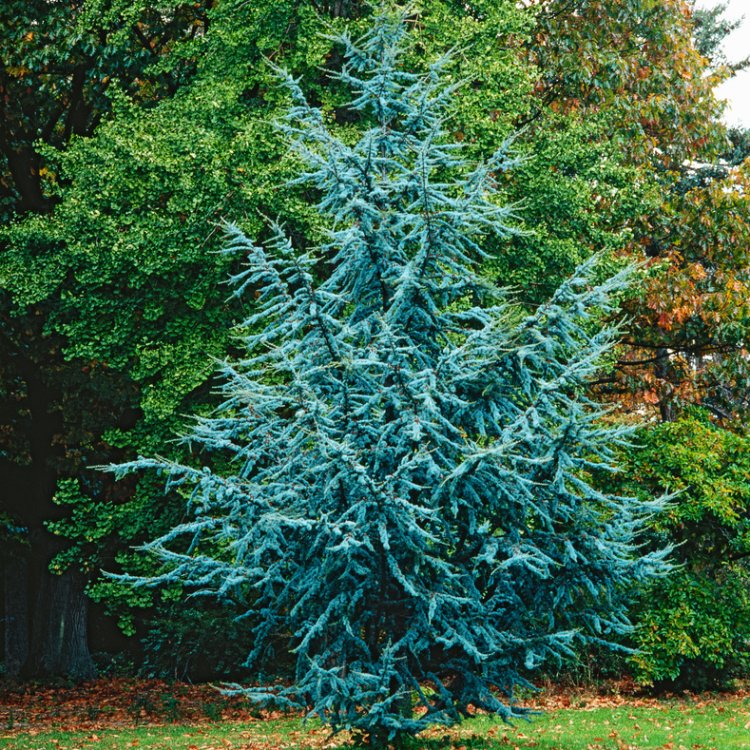
Cedrus libani ‘Glauca’ is a distinguished cultivar of the iconic Cedar of Lebanon, bringing a touch of ancient majesty to contemporary landscapes. This impressive tree showcases an elegant, broadly conical form when young, which gradually matures into a magnificent, wide-spreading specimen. Its unique blue-green needles provide year-round interest, offering a beautiful contrast against other garden plants. It truly creates a lasting focal point in any sizeable outdoor space.
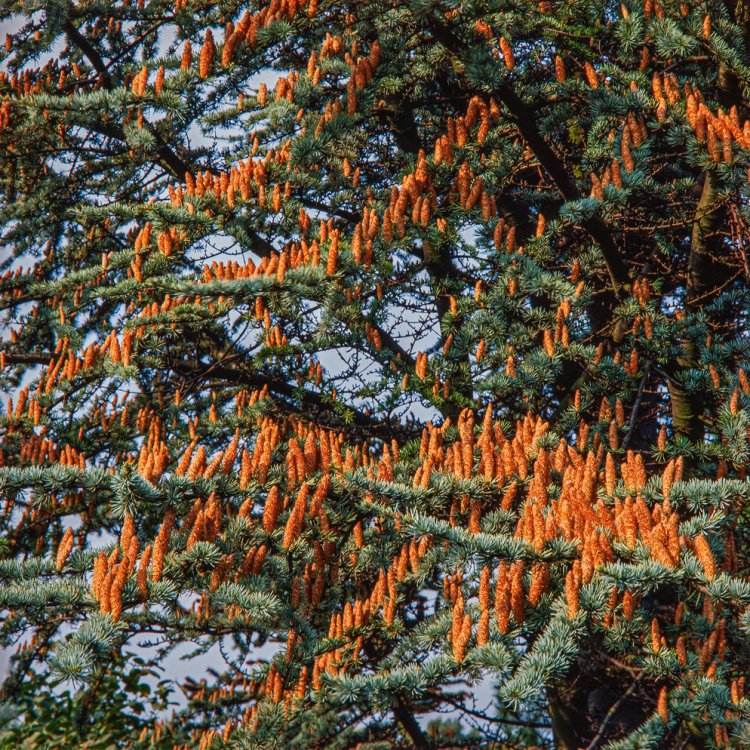
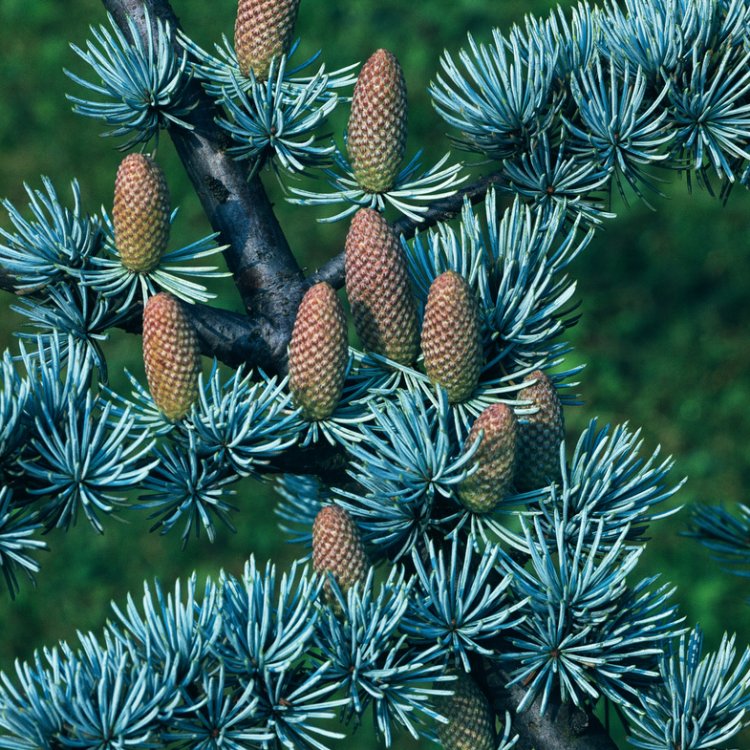
The name Cedrus libani ‘Glauca’ refers to a particular cultivar of the Cedar of Lebanon, a species highly revered throughout history. The species name, libani, directly links it to its native home in the mountains of Lebanon and parts of the Mediterranean region. Furthermore, the cultivar epithet ‘Glauca’ aptly describes its most striking feature: the beautiful glaucous, or blue-grey, colour of its needles. These short, stiff needles are densely packed on its branches, creating a rich, textural display that catches the light wonderfully.
This evergreen conifer maintains its captivating colour throughout the year, ensuring continuous visual interest even in the depths of winter. Younger specimens exhibit a more upright, pyramidal shape. As Cedrus libani ‘Glauca’ matures, however, it develops its characteristic broad, often flat-topped crown with distinct, horizontal layers of branches. This architectural form makes it an exceptional specimen tree, commanding attention and providing strong vertical and horizontal lines in the landscape. While it does produce upright, barrel-shaped cones, these are not typically considered a floral display. The tree is primarily grown for its stunning foliage and impressive structure.
Gardeners commonly use this magnificent tree as a focal point in large gardens, estates, or parks. Its ultimate size means it requires ample space to fully develop its grand silhouette. Therefore, careful consideration of its mature dimensions is vital during planting. The dense canopy and strong branches of the Blue Cedar offer excellent shelter and nesting opportunities for various bird species. This brings more life and activity to the garden. Moreover, this sturdy tree typically requires minimal pruning. You might only need to remove any dead, damaged, or awkwardly placed branches. This maintains its impressive form and health. However, generally, it thrives when left to grow naturally. This allows its unique structure to evolve beautifully over the decades.
Very hardy. Tolerates temperatures typical of a continental winter.