
£3.92 – £4.64Price range: £3.92 through £4.64
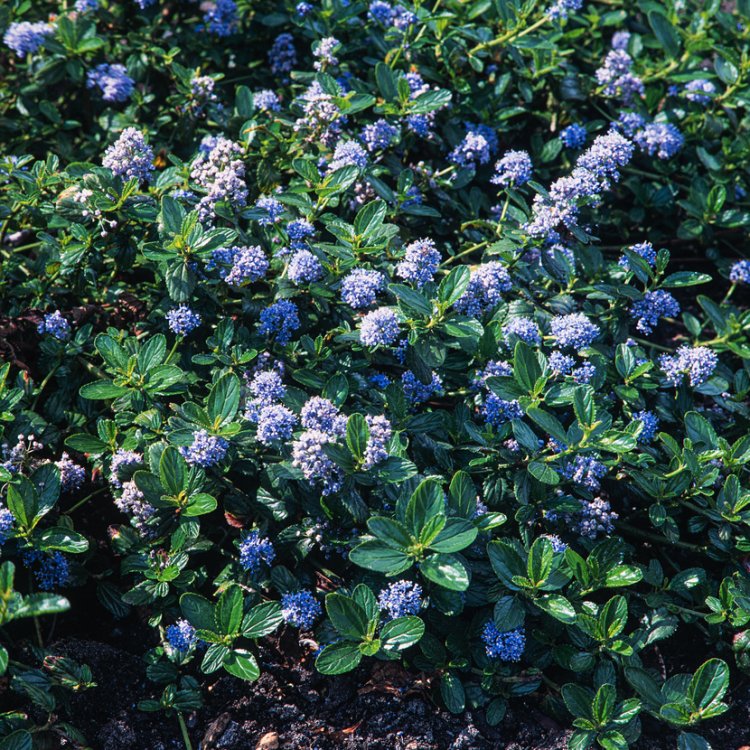
Ceanothus thyrsiflorus repens, or Creeping Ceanothus, is a vibrant evergreen shrub. It offers masses of sky-blue flowers in late spring, creating stunning ground cover. Ideal for attracting bees and butterflies, this low-maintenance plant brings year-round interest to UK gardens.
2500 in stock
Unfurl the beauty of Ceanothus thyrsiflorus repens, a captivating evergreen shrub perfect for adding a wave of vibrant blue to your UK garden.
Originating from California, this low-growing Ceanothus variety offers a magnificent display. Gardeners cherish its lush foliage and profuse spring blooms. It provides excellent ground cover, thus enhancing various garden designs. This versatile plant adapts well to many situations in British landscapes. Therefore, it proves an excellent choice for diverse garden styles. Its resilient nature ensures it establishes well.
The genus name, Ceanothus, comes from the Greek ‘keanothos’. This was a term Pliny the Elder used for a spiny plant. Although this species lacks spines, it shares the genus. The specific epithet ‘thyrsiflorus’ describes its thyrse-like flower clusters. Furthermore, ‘repens’ accurately translates to ‘creeping’, perfectly reflecting its low-spreading growth habit. This name captures its essential characteristics. The plant’s history ties to its native Californian habitat.
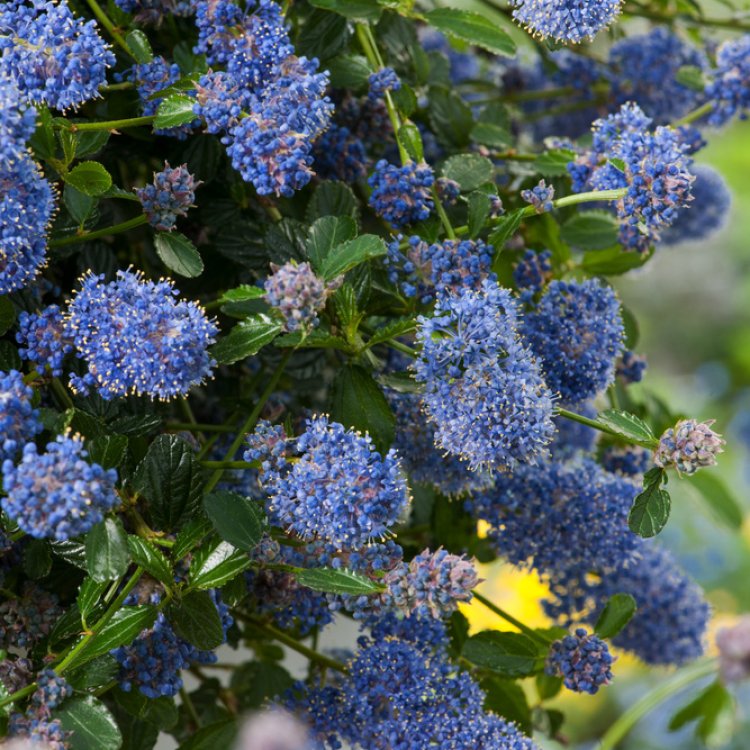
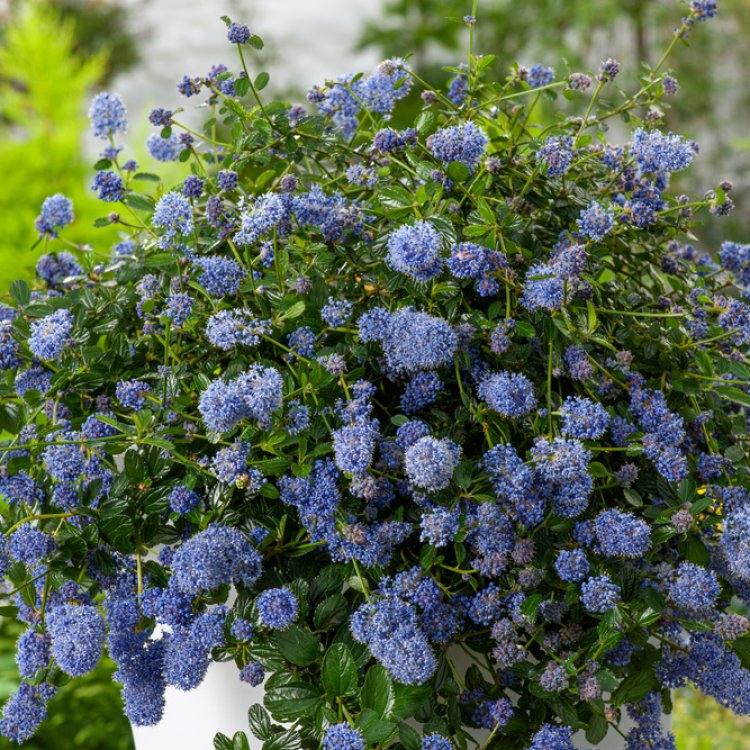
In late spring and early summer, Ceanothus thyrsiflorus repens bursts into bloom. It produces countless clusters of vivid, sky-blue flowers. These delicate blooms create a stunning visual impact. They also contrast beautifully with the plant’s evergreen foliage. Its small, glossy, dark green leaves remain attractive throughout the year. This ensures year-round garden interest. Consequently, the garden always looks vibrant, even in colder months. The flowers have a gentle fragrance too.
Gardeners often select this plant for its exceptional ground cover ability. It spreads effectively, creating a dense carpet of green. You can use it to stabilise slopes or banks. Additionally, it cascades elegantly over retaining walls. Plant it at the front of sunny borders. Its robust nature makes it ideal for coastal gardens too. The plant thrives in well-drained spots. Thus, it performs well in challenging areas. Its spreading habit helps control erosion.
Ceanothus thyrsiflorus repens proves highly beneficial for local wildlife. Its abundant flowers act as a magnet for pollinating insects. Bees and butterflies flock to its vibrant blue blooms. They gather nectar, aiding garden biodiversity. This creates a lively and thriving garden ecosystem. The plant requires minimal pruning. A light trim after flowering helps maintain its shape. This also encourages denser growth. Therefore, it is a low-maintenance choice. It contributes significantly to garden ecology.
Hardy across most of the UK except particularly exposed or cold regions.
For optimal health, water Ceanothus thyrsiflorus repens regularly during its establishment phase; once settled, it tolerates dry conditions well. Generally, feeding is not essential, but a light application of a balanced fertiliser in spring can encourage vigorous growth if needed. Pruning is minimal; simply trim lightly after flowering to maintain a tidy shape or remove any spent blooms. Also, remove any dead, damaged, or crossing branches to promote air circulation. This plant is generally robust, though occasional issues with scale insects, red spider mite, or powdery mildew may arise, particularly in stressed conditions. Monitor for pests and diseases, addressing them promptly if observed.