£18.81 – £21.17Price range: £18.81 through £21.17
Castanea sativa, the Sweet Chestnut, is a majestic deciduous tree perfect for UK gardens. It provides delicious edible nuts, stunning autumn foliage, and supports local wildlife. Grow this hardy specimen for lasting beauty and bounty.
499 in stock
Discover Castanea sativa, the majestic Sweet Chestnut, a stately tree gracing UK gardens with its lush foliage and delicious, edible nuts each autumn.
The Sweet Chestnut, or Castanea sativa, brings timeless elegance to any larger landscape. Historically valued for its timber and nourishing fruit, this beautiful tree offers significant ornamental appeal. Its commanding presence and seasonal interest make it a superb choice. Gardeners discover true pleasure in its distinctive character. Moreover, it supports local wildlife and provides enduring charm throughout the year.
Castanea sativa, commonly known as the Sweet Chestnut, holds a rich history. The Romans introduced this magnificent tree to Britain, valuing it greatly. Its botanical name ‘sativa’ means ‘cultivated’, indicating its long association with human use. This large deciduous tree forms a broad, impressive crown, creating a focal point in any expansive setting.
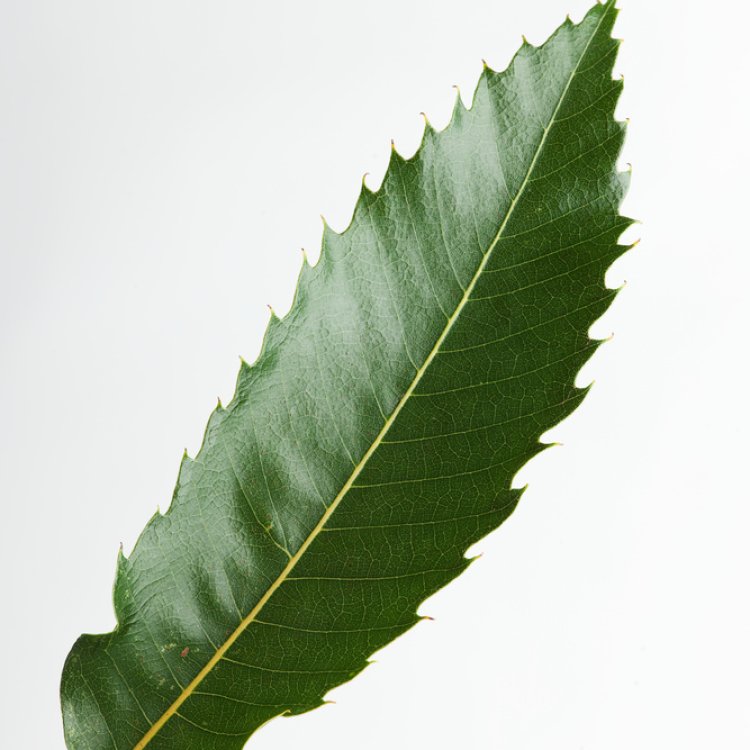
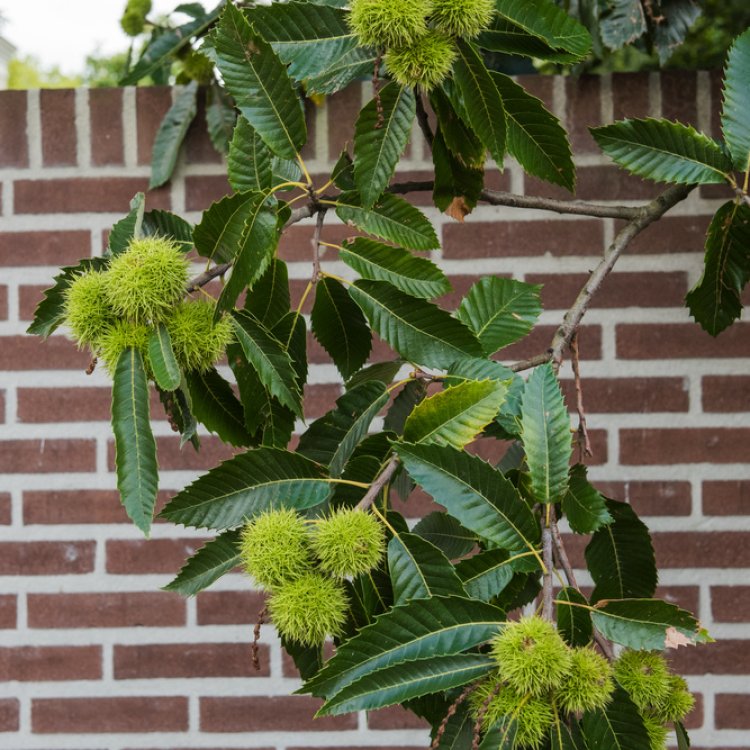
The Sweet Chestnut boasts striking foliage. Each leaf is large, glossy, and a vibrant mid-green, with distinctive saw-toothed edges and prominent veins. These leaves provide a dense canopy throughout spring and summer. As autumn arrives, the foliage transforms into a spectacular display of golden yellows and rich bronzes, adding warmth to the changing landscape. Flowers appear in summer, usually in June or July. They form long, slender, greenish-yellow catkins. While not overtly showy, these unique blooms release a subtle fragrance. Bees and other vital pollinators eagerly visit them, collecting valuable nectar and pollen.
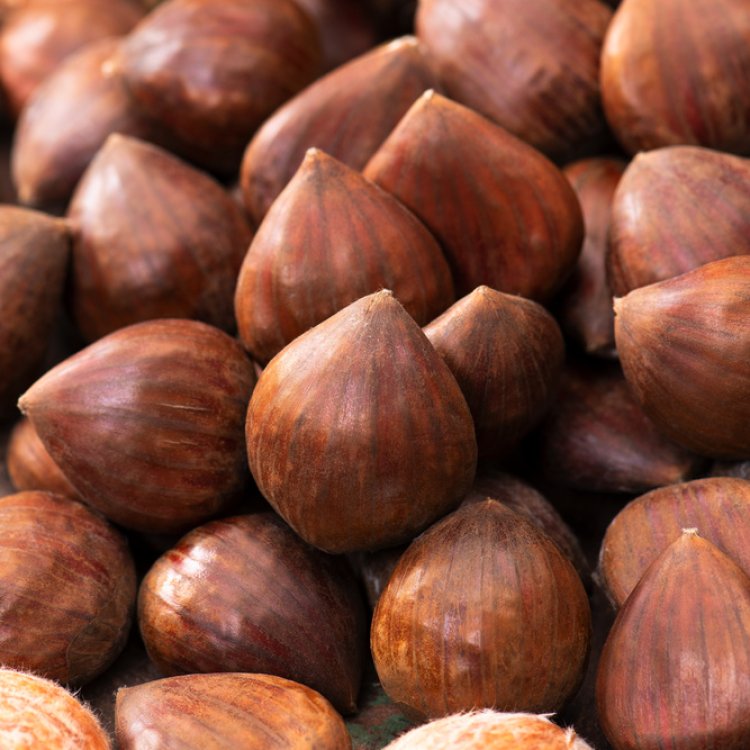
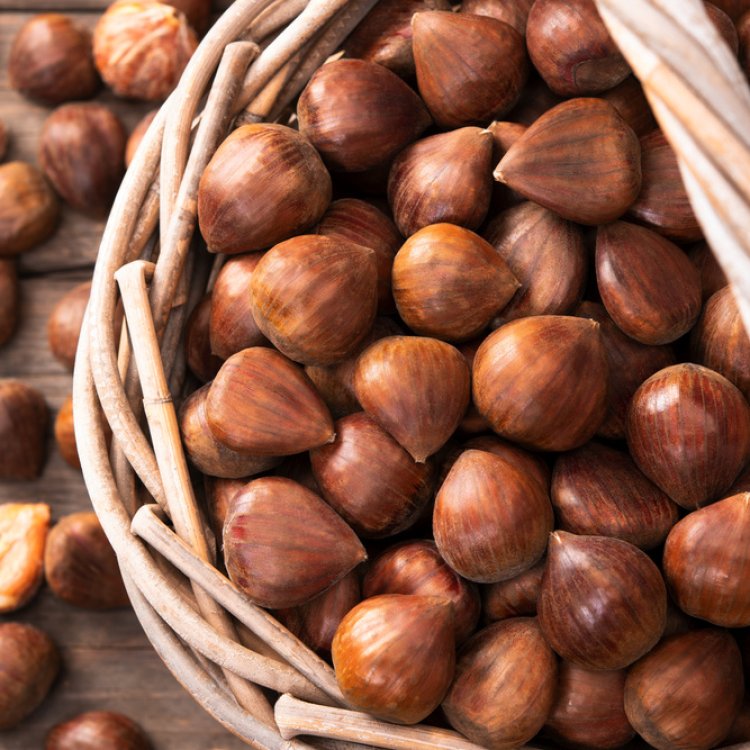
Following the summer flowers, Castanea sativa develops its famous fruit. These are encased within distinctive, spiky green burrs. Inside each burr, several delicious, glossy brown nuts mature, ready for harvest in autumn. They are a cherished seasonal delicacy. The Sweet Chestnut makes an excellent specimen tree, standing alone in a large lawn or parkland setting. Its grand scale also suits woodland gardens or avenue planting, where it creates a dramatic, natural vista. Gardeners can also coppice younger trees to produce poles. This practice encourages vigorous new growth.
Pruning of Castanea sativa often involves formative training in its younger years to establish a strong framework. Mature trees generally require minimal intervention, mainly removing dead or crossing branches. However, coppicing is a traditional method. This practice harvests timber and encourages regrowth from the base. Beyond its aesthetic appeal and edible bounty, the Sweet Chestnut supports diverse wildlife. Its summer flowers attract numerous insects, making it a valuable nectar source for bees. Squirrels and other small mammals also enjoy the nutritious nuts, contributing to a vibrant garden ecosystem.
Very hardy. Tolerates temperatures typical of a continental winter.
Ensure Castanea sativa has ample space to mature. Water regularly during its first year, especially during dry spells, to establish strong roots. Once established, it is largely self-sufficient, requiring minimal watering. Apply a general-purpose fertiliser in spring for optimal growth. Protect young trees from deer or rabbit damage using guards.
This plant is deciduous so it will lose all of its leaves in the autumn and get fresh new foliage each spring.