£6.08 – £7.51Price range: £6.08 through £7.51
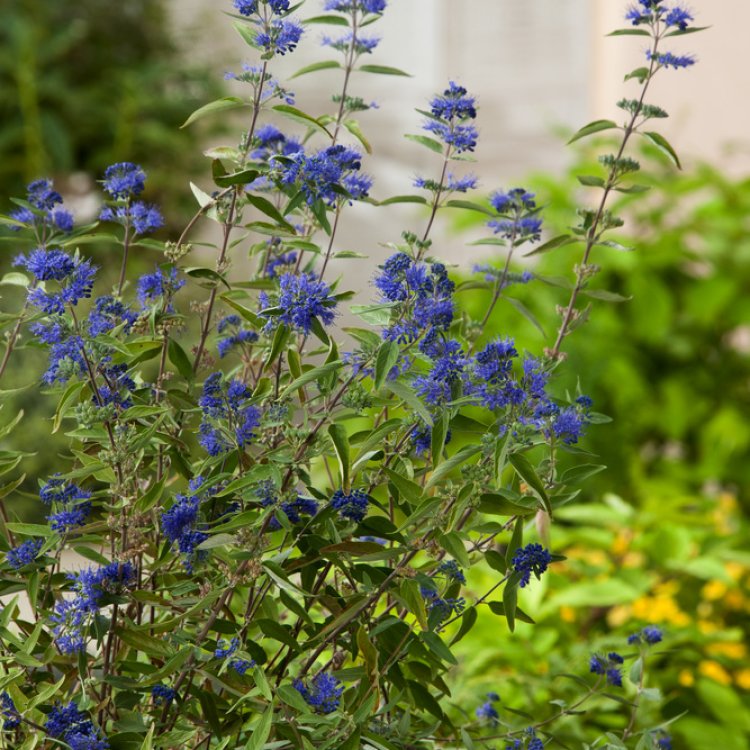
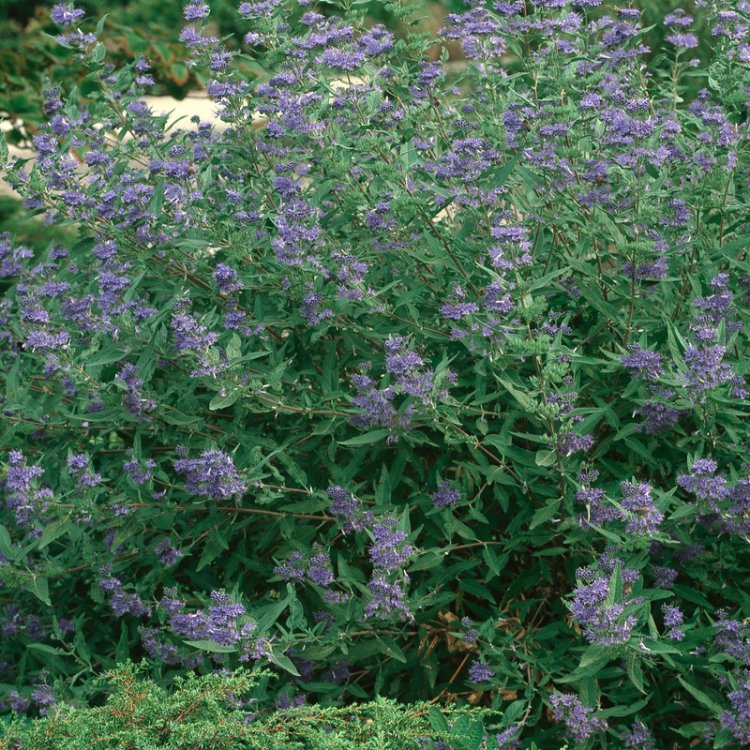
Caryopteris clandonensis ‘Heavenly Blue’, the Bluebeard shrub, enchants with vibrant blue flowers from late summer to autumn. This compact, aromatic plant attracts bees and butterflies, providing essential colour and life to UK gardens.
124 in stock
Caryopteris clandonensis ‘Heavenly Blue’ brings a stunning burst of late summer colour, enchanting UK gardens with its vibrant blue flowers and aromatic foliage.
This beautiful deciduous shrub, also known as Bluebeard or Blue Mist Shrub, offers a delightful spectacle in the garden just as many other plants begin to fade. It forms a compact, bushy mound, therefore making it a versatile choice for various garden settings across the UK. Its striking azure blooms appear in profusion, attracting a host of beneficial insects. Consequently, it creates a lively, buzzing atmosphere throughout its long flowering season.
The plant Caryopteris clandonensis ‘Heavenly Blue’ is a hybrid shrub. Gardeners specifically developed it for its outstanding ornamental qualities. Its genus name, Caryopteris, derives from Greek words meaning “nut” and “wing.” This references its unique winged fruits. The species epithet, clandonensis, honours Clandon, Surrey, England. There, breeders first created the original hybrid.
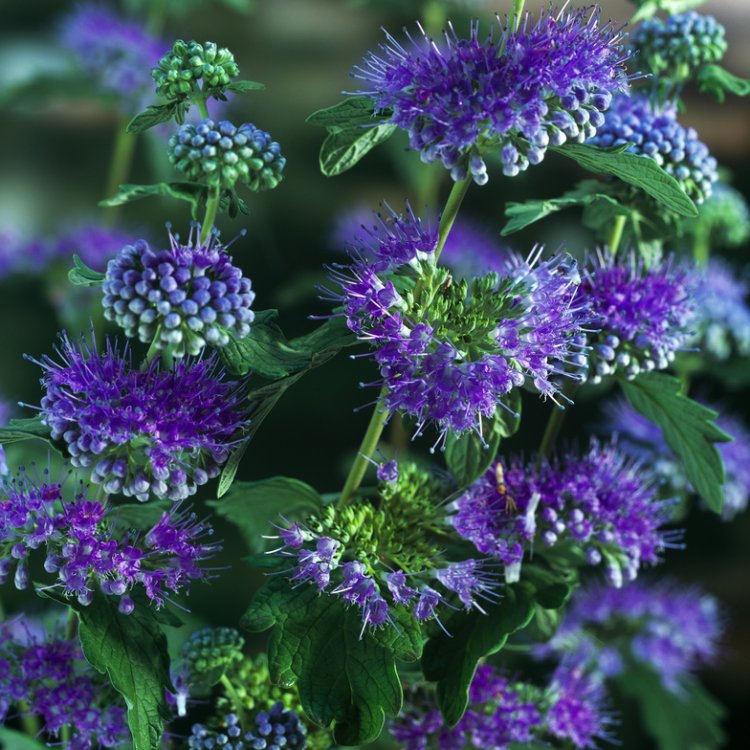
Meanwhile, ‘Heavenly Blue’ clearly describes the captivating colour of its flowers. This particular cultivar showcases deep, intense blue flowers. They emerge from August through to October, providing vital late-season colour. As a result, it extends garden interest into the autumn months.
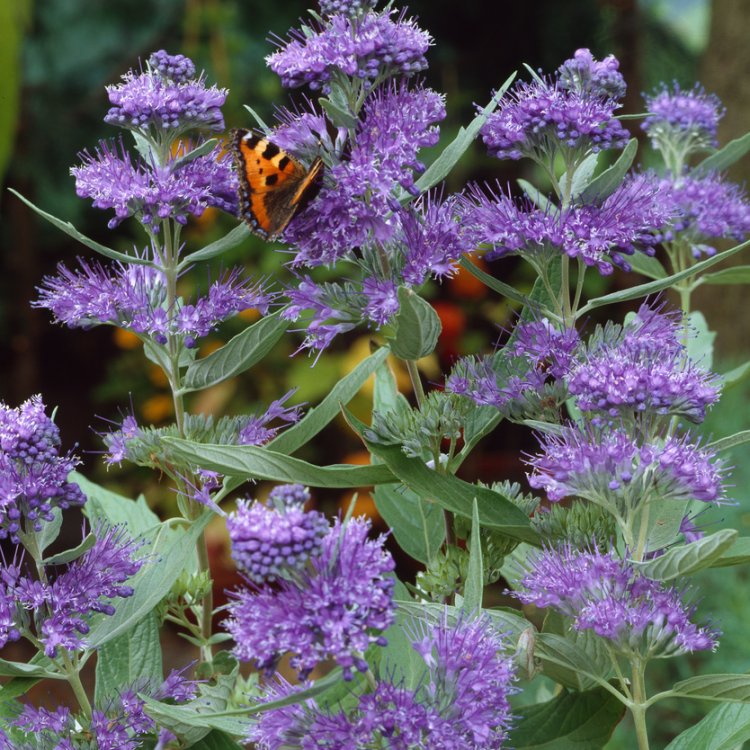
The leaves of this Bluebeard are narrow and lance-shaped. They exhibit an attractive grey-green colour on top and a silvery, almost downy, underside. When you brush past them, they release a pleasant, aromatic fragrance, adding another sensory dimension to your garden.
Furthermore, the flowers are delicate yet numerous. They cluster in terminal and axillary cymes. These small, intricate blooms are a magnet for local wildlife. Thus, the plant enhances biodiversity within your garden space.
Caryopteris clandonensis ‘Heavenly Blue’ thrives when planted in full sun. There, it produces the most abundant flowers. It forms an excellent addition to mixed borders, providing a low-growing front edge. Alternatively, it fills gaps with its airy texture. Many gardeners also use it effectively in gravel gardens or Mediterranean-style plantings.
Moreover, its compact size makes it suitable for patio containers. To ensure vigorous growth and profuse flowering, prune this Bluebeard hard in early spring. Do this just as new growth begins. This practice encourages a strong, healthy framework.
Crucially, the abundant nectar-rich flowers of Caryopteris clandonensis ‘Heavenly Blue’ serve as a vital food source for pollinators. Bees, butterflies, and other beneficial insects flock to its vibrant blue clusters. This makes it an invaluable plant for supporting local ecosystems and contributing to a thriving garden environment. Therefore, planting this shrub actively helps local insect populations.
Hardy across most of the UK except particularly exposed or cold regions.
Prune hard in early spring, just as new growth emerges. Cut back previous year's growth to a few buds on the woody framework to encourage strong, new shoots and abundant flowering.
Water regularly during its first year to help establish a strong root system. Once established, it is relatively drought-tolerant, but will benefit from watering during prolonged dry spells, especially if grown in containers.
Apply a balanced, slow-release fertiliser in spring to support healthy growth and flowering.
Generally trouble-free. Keep an eye out for common garden pests, but severe infestations are rare. Ensure good air circulation to prevent fungal issues.
In very exposed or colder regions of the UK, a layer of mulch around the base can provide extra winter protection, although it is generally hardy to H4.
This plant is deciduous so it will lose all of its leaves in the autumn and get fresh new foliage each spring.