£4.21 – £6.57Price range: £4.21 through £6.57
Carpinus betulus, or Hornbeam, is a native deciduous tree perfect for UK gardens. Its dense foliage turns golden in autumn and provides excellent winter screening. Adaptable and wildlife-friendly, it creates beautiful hedges or specimen trees.
200 in stock
Discover Carpinus betulus, commonly known as Hornbeam, a versatile and robust native tree, perfect for adding structure and seasonal charm to any UK garden.
Carpinus betulus, or Common Hornbeam, is a beloved sight in British landscapes. This deciduous tree, a birch family member, grows natively across central Europe and the UK. Gardeners value Hornbeam for its resilience, adaptability, and attractive foliage. It suits many garden designs, from formal hedges to stately specimen trees, providing seasonal interest and a sturdy structure.
The botanical name Carpinus betulus comes from “carpus,” Latin for “wood.” Its “betulus” part refers to birch trees. It shares characteristics with its birch cousins. This native species thrives in varied conditions. It adapts well to soil types, from heavy clay to lighter loams.
It prefers full sun or partial shade. Its robust nature tolerates urban pollution and exposed sites, making it a reliable choice for gardens.
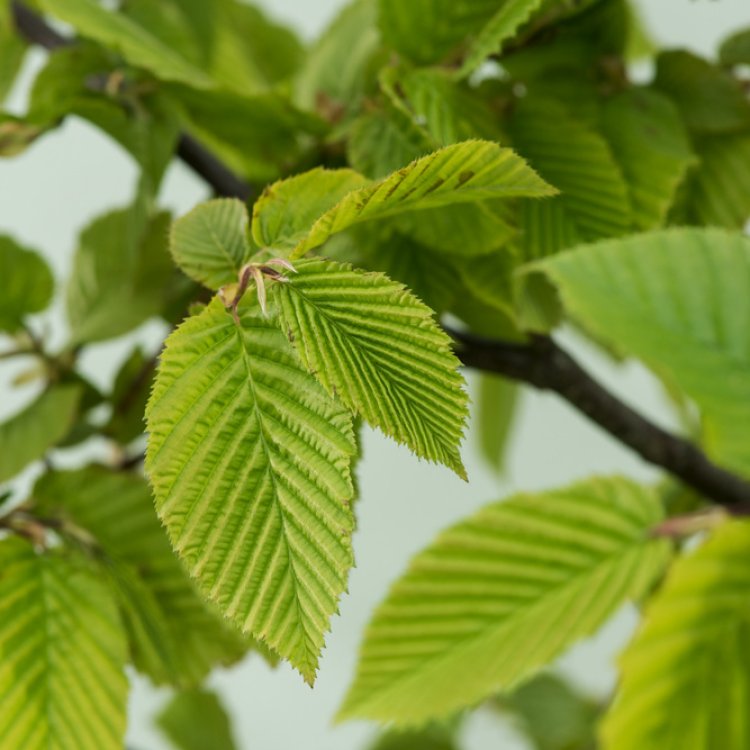
Carpinus betulus showcases vibrant green, ovate leaves with serrated edges through spring and summer. These leaves turn rich, golden-yellow in autumn, providing a spectacular display.
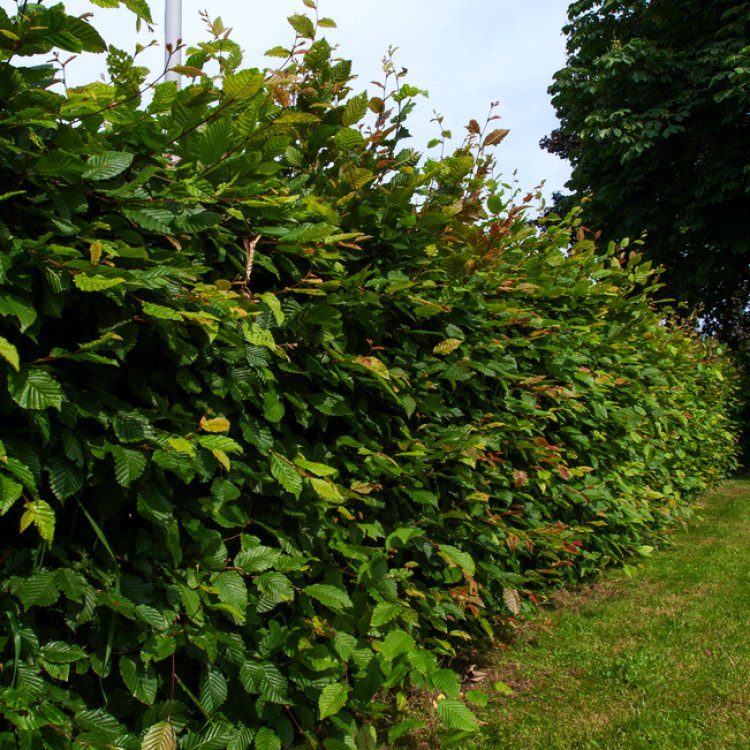
Dry leaves often cling to branches throughout winter, especially on young plants or pruned hedges. This marcescent habit gives Hornbeam hedges superb winter screening and privacy; a notable advantage.
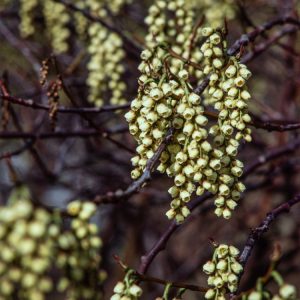
Though not grown for showy flowers, it produces small, pendulous catkins in late spring. These are followed by winged nutlets in autumn, enjoyed by birds.
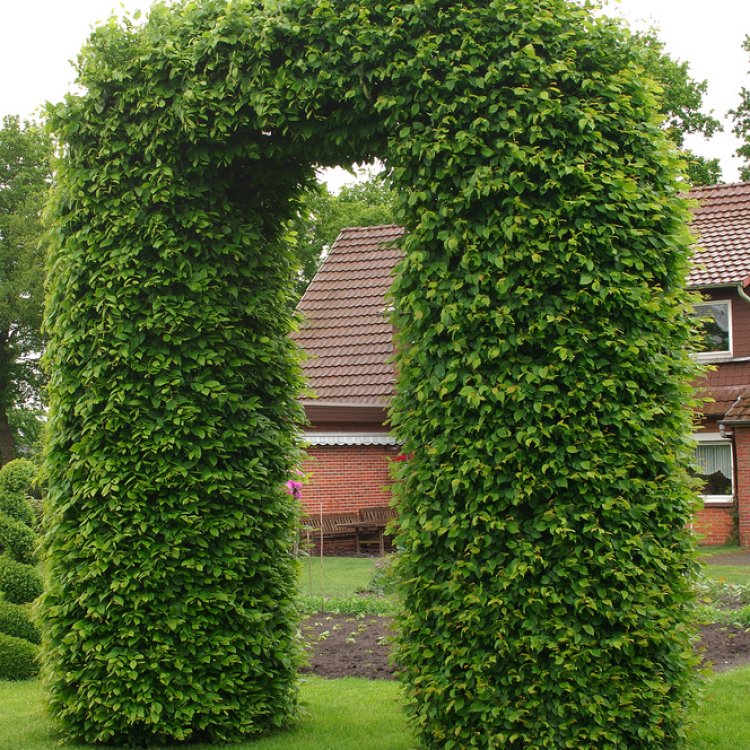
Gardeners frequently use Carpinus betulus for immaculate formal hedges. Its dense growth and ability to withstand repeated clipping make it ideal. Many also use Hornbeam for pleaching or intricate topiary.
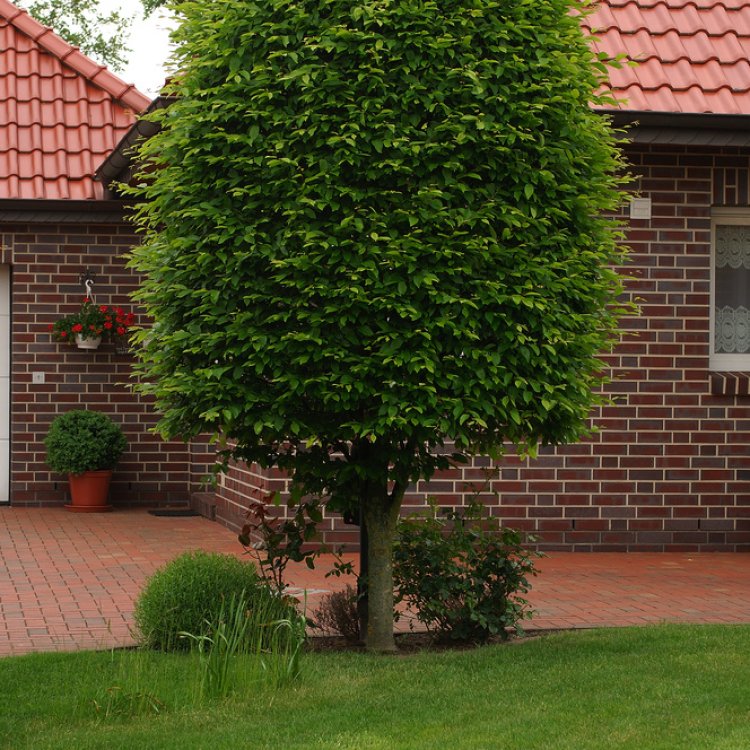
Beyond hedging, it makes a magnificent stand-alone specimen tree, forming a broad, spreading crown. Pruning is simple; trim hedges once or twice yearly in late summer or early autumn to maintain shape. For specimen trees, prune to remove dead, damaged, or crossing branches.
Carpinus betulus is truly wildlife-friendly. Its dense foliage provides excellent shelter and nesting sites for birds, particularly when grown as a hedge. Small mammals also find refuge within its branches.
Catkins and seeds offer food for various birds, like finches and tits, especially in colder months. Early spring catkins also provide pollen for emerging bees and other pollinators, boosting garden biodiversity.
Very hardy. Tolerates temperatures typical of a continental winter.
Water newly planted Carpinus betulus regularly during its first year, especially in dry spells, to ensure good establishment. Once established, it is generally drought tolerant. For hedges, prune once or twice a year in late summer (August/September) to maintain shape and density. Avoid pruning in early spring to prevent "bleeding" of sap. For specimen trees, minimal pruning is required, mostly to remove dead, diseased, or crossing branches in late autumn or winter. Hornbeam generally does not require feeding unless grown in very poor soil; a general-purpose slow-release fertiliser can be applied in spring if needed.
This plant is deciduous so it will lose all of its leaves in the autumn and get fresh new foliage each spring.