£1.84 – £3.24Price range: £1.84 through £3.24
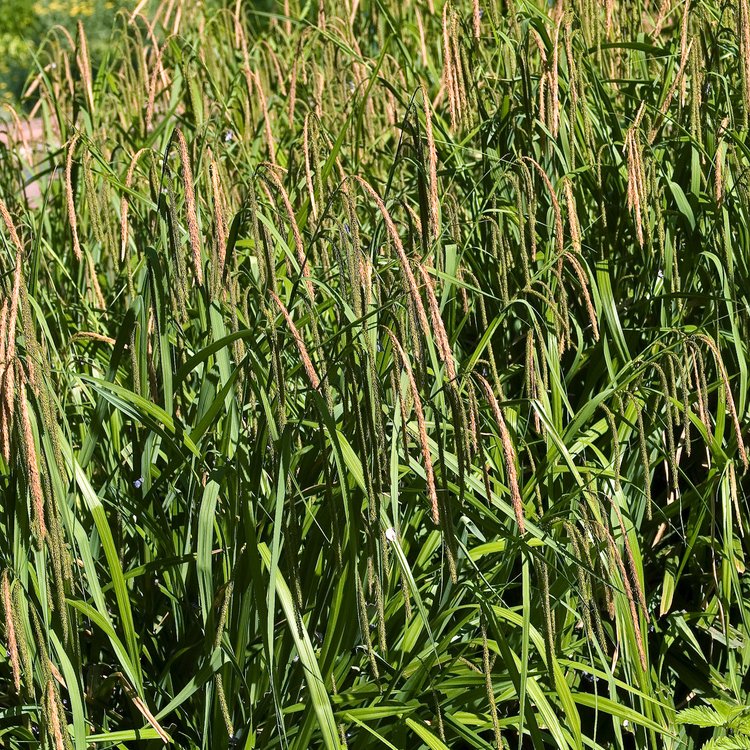
Carex pendula, or Pendulous Sedge, is an architectural evergreen perennial with arching, deep green foliage. Thriving in damp, shady areas, it provides year-round interest and distinctive pendulous flower spikes in late spring, ideal for UK gardens.
240 in stock
Carex pendula, known as Pendulous Sedge, offers an elegant, architectural presence, enhancing damp, shady areas with its beautiful, arching foliage.
This native evergreen sedge thrives in British gardens, providing year-round structure and lush greenery. Carex pendula, often called Hanging Sedge, forms impressive clumps. It brings a natural feel to wetland gardens or moist borders. Its graceful habit creates a serene backdrop. Therefore, it is a valuable addition for areas needing consistent visual appeal. Gardeners often choose this plant for its robust nature and adaptability to challenging damp conditions.
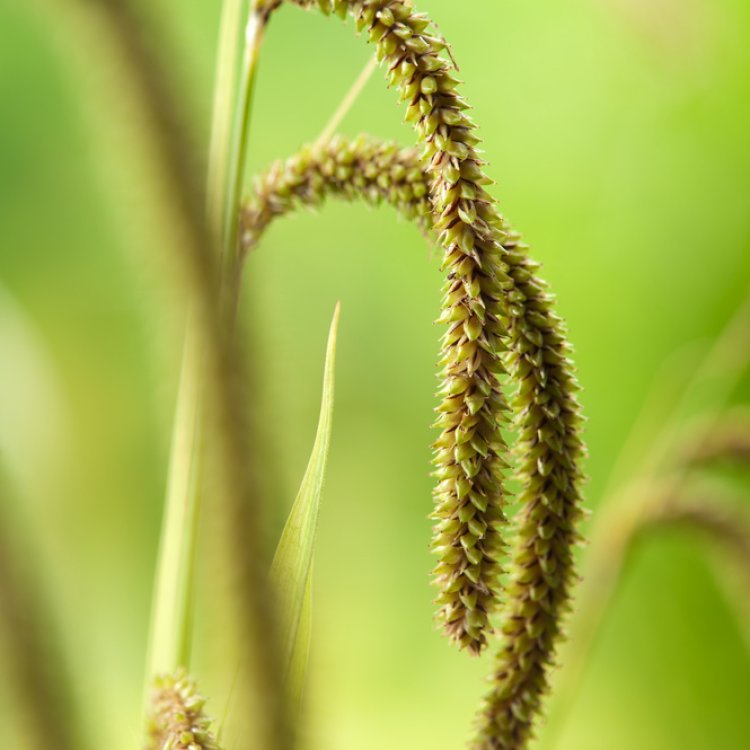
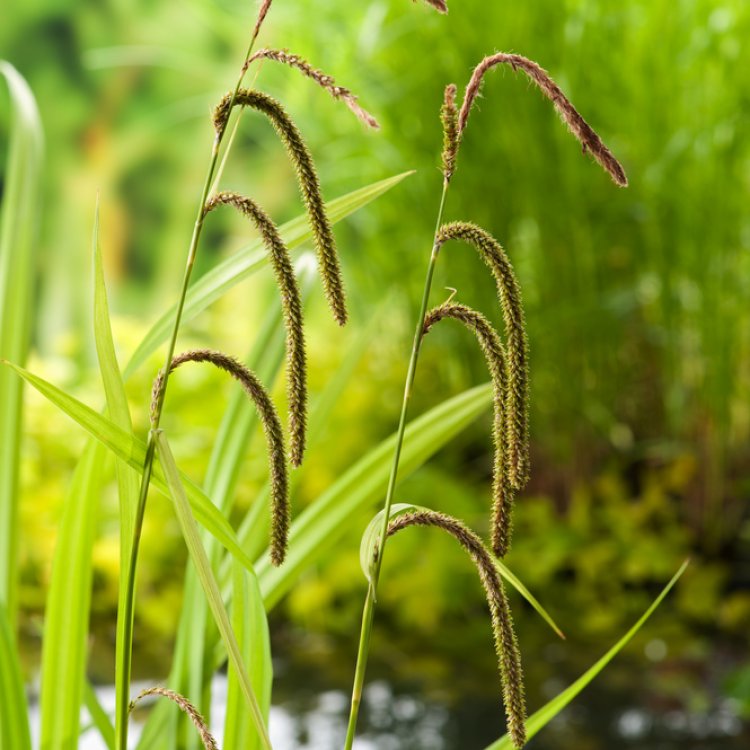
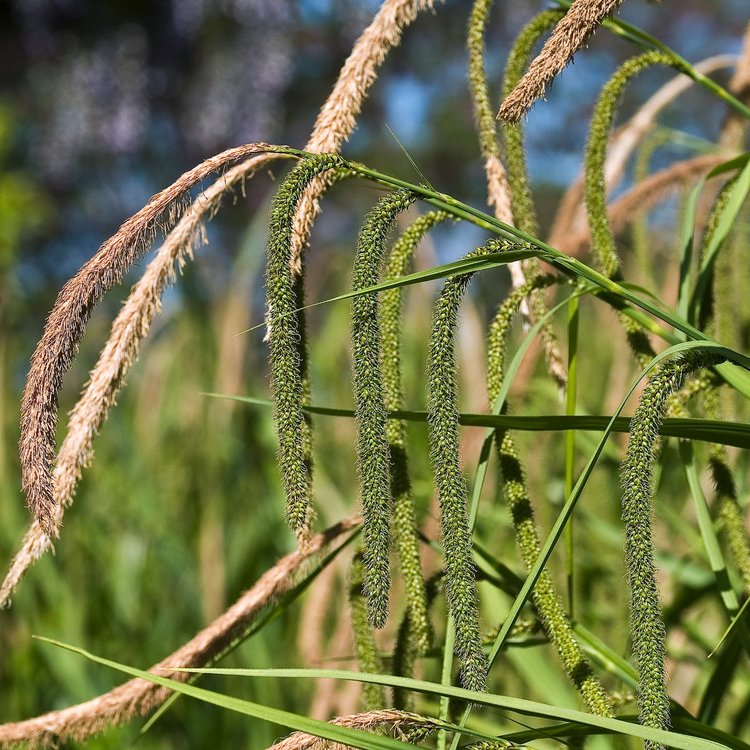
Carex pendula is a striking, evergreen perennial. It belongs to the large sedge family, Cyperaceae. This particular species is commonly known as Pendulous Sedge or Drooping Sedge due to its distinctive flower spikes. The name ‘Carex’ comes from the Latin word for ‘cutter’ or ‘razor’. This refers to the sharp edges of some sedge leaves. ‘Pendula’ simply means ‘hanging’ or ‘pendulous’. It accurately describes its unique flower clusters.
The foliage of Carex pendula is a deep, rich green. Its strap-like leaves are broad and arch gracefully outwards. These leaves create a fountain-like effect in the garden. They maintain their colour and form throughout the year, offering consistent greenery. In late spring, typically around May and June, the plant produces its unique flowers. These are long, slender, catkin-like spikes. They emerge upright initially, then arch downwards. This creates a beautiful, pendulous display. These flower stems can reach heights of over a metre.
Carex pendula is wonderfully versatile for many garden designs. It works well in bog gardens or at the edges of ponds. Its natural preference for damp conditions makes it perfect for stream banks too. You can use it to edge large borders, creating a soft, natural boundary. The plant also offers excellent ground cover in shady areas. It suppresses weeds effectively, reducing garden maintenance. Furthermore, its architectural form adds a strong vertical element to planting schemes. It contrasts beautifully with plants with softer textures.
This sedge requires minimal pruning. Simply remove any old or discoloured leaves in late winter or early spring. This tidies the plant and promotes fresh growth. If a clump becomes too large, you can cut it back hard. Carex pendula plays a small but helpful role in supporting garden wildlife. While its wind-pollinated flowers do not attract bees or butterflies directly, its dense foliage provides valuable shelter for small creatures. The seeds also offer a food source for some bird species, especially in the colder months.
Very hardy. Tolerates temperatures typical of a continental winter.
Carex pendula thrives in consistently moist soil, especially in shady locations. In late winter or early spring, remove any old, brown, or damaged foliage to maintain a tidy appearance and encourage new growth. If the plant becomes too large or congested, it can be cut back hard to rejuvenate it. Ensure adequate moisture during dry spells, particularly when establishing new plants. Established plants are generally low maintenance.