£5.45 – £6.16Price range: £5.45 through £6.16
Carex morrowii ‘Goldband’ is an evergreen sedge showcasing striking deep green leaves with vibrant golden-yellow margins. This hardy, low-maintenance plant offers year-round colour and texture, perfect for borders, ground cover, or containers in UK gardens.
500 in stock
Carex morrowii ‘Goldband’ offers a vibrant touch to any garden space with its distinctive, evergreen, golden-edged foliage, bringing year-round interest and easy maintenance.
Carex morrowii ‘Goldband’ is a popular ornamental sedge, valued for its striking variegated leaves. This hardy perennial grass brings bright, architectural form to UK gardens. It thrives in various conditions, making it a versatile choice for many planting schemes. Its elegant structure and colourful foliage ensure it stands out, offering a consistent display of beauty throughout every season.
Carex morrowii ‘Goldband’ is an attractive member of the sedge family, Cyperaceae, native to Japan. The genus name *Carex* derives from the Latin, meaning ‘cutter’, referring to the often sharp, saw-toothed edges of many sedge leaves. The species name ‘morrowii’ honours James Morrow, an American botanist.
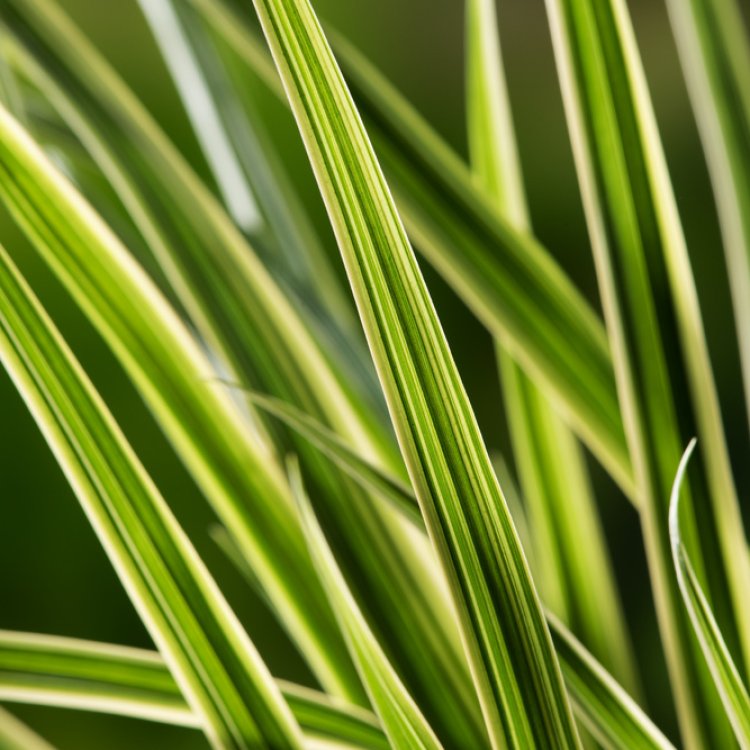
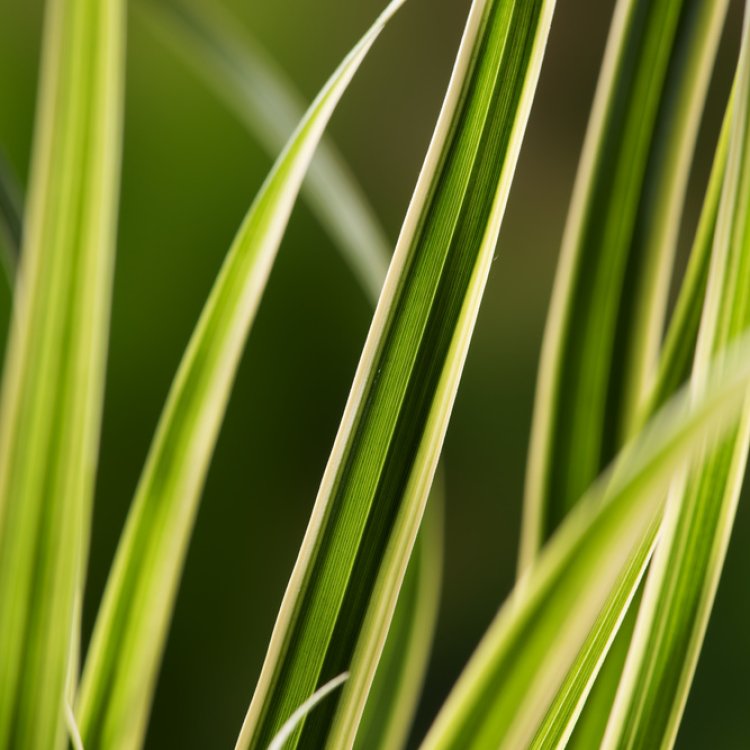
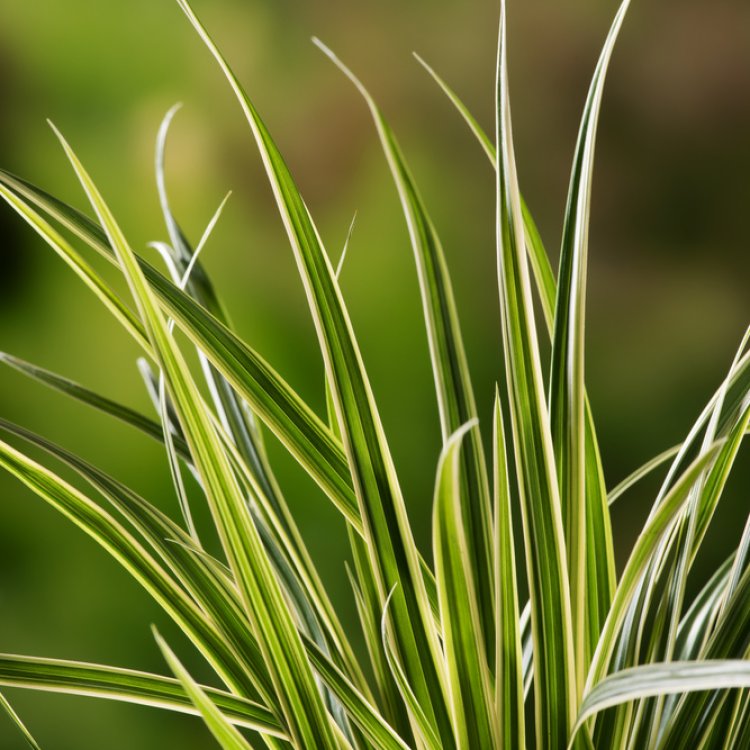
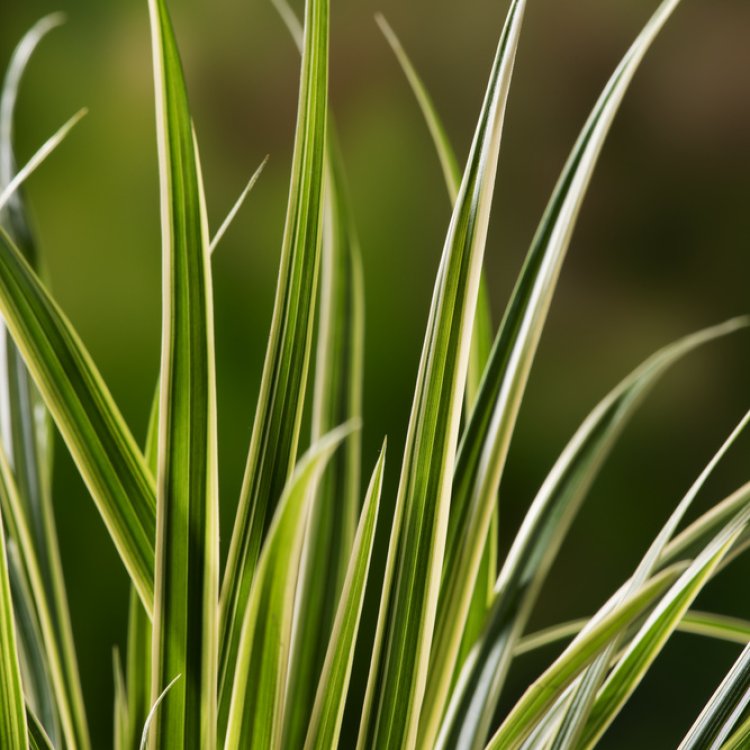
Consequently, the ‘Goldband’ cultivar stands out with its particularly decorative foliage. Each slender, arching leaf showcases a central band of rich, dark green. This is beautifully framed by a clear, bright golden-yellow margin. This striking variegation offers a wonderful contrast and brightens shadier spots in the garden, truly enhancing the visual appeal.
Carex morrowii ‘Goldband’ does produce flowers. They are typically small, brown, and rather inconspicuous. These emerge on short stems in early spring. Therefore, gardeners primarily cultivate this sedge for its stunning evergreen leaves and elegant, mounding habit.
It creates an excellent textural element in borders. This provides a soft, flowing contrast to more rigid plants. Furthermore, it works wonderfully as ground cover, effectively suppressing weeds. It also serves as an excellent edging plant along paths and beds.
Many gardeners also use Carex morrowii ‘Goldband’ in containers, where its colourful leaves can spill over the edges, adding depth and charm.
This robust plant offers shelter for small insects. However, it does not significantly attract bees or butterflies, as its flowers are wind-pollinated. Pruning is generally minimal.
Simply comb out any dead or damaged foliage in late winter or early spring. This maintains its tidy appearance and encourages fresh growth. For best results, plant Carex morrowii ‘Goldband’ in moist, well-drained soil. This easy-care sedge remains a fantastic choice. It adds consistent colour and texture to the garden, delivering reliable performance year after year.
Hardy in all of the UK and northern Europe. Suitable for exposed sites.
Carex morrowii 'Goldband' is low maintenance. Water regularly during its first year and in prolonged dry spells. In late winter or early spring, comb through the foliage to remove any dead or damaged leaves, maintaining its tidy, mounding shape. Established clumps may be divided in spring if they become congested or to propagate new plants.