£5.44 – £6.14Price range: £5.44 through £6.14
Carex morrowii, Morrow’s Sedge, offers year-round evergreen foliage and elegant texture. This low-maintenance ornamental grass thrives in shade, perfect for ground cover or edging. It brings consistent beauty to UK gardens.
600 in stock
Discover Carex morrowii, a versatile evergreen sedge bringing year-round texture and grace to your British garden. Its striking foliage brightens shady spots beautifully.
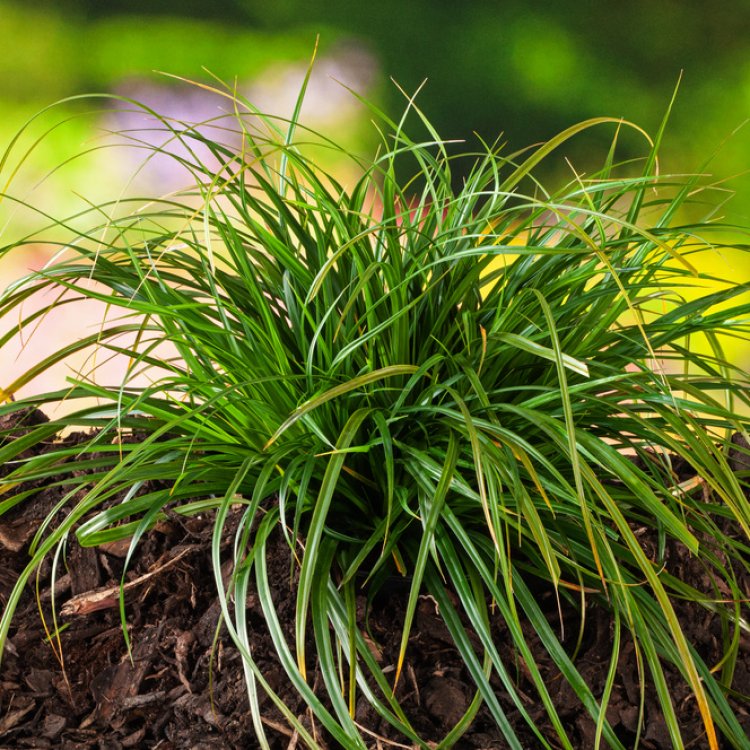
Carex morrowii, often called Morrow’s Sedge, is a wonderful choice for creating naturalistic displays. This robust, ornamental grass offers impressive ground cover. It thrives especially in areas where other plants might struggle. Gardeners often select it for its elegant, arching leaves. Furthermore, it is a low-maintenance plant. It performs well in various conditions. This makes it a reliable addition to many garden schemes. You can easily introduce its subtle charm to your outdoor space. It enhances both beauty and biodiversity.
The botanical name, Carex morrowii, honours James Morrow. He was a botanist who collected plants in Japan during the 19th century. This plant is a true evergreen perennial. It forms neat, dense clumps. The foliage remains vibrant all year. Thus, it provides consistent visual interest. Morrow’s Sedge is particularly valued for its foliage. It brings structure and softness to landscapes. Indeed, it adapts well to many UK garden settings.
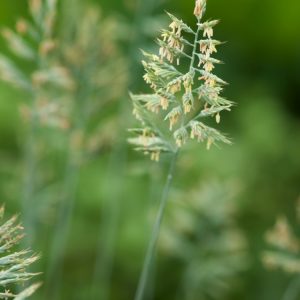
Carex morrowii features handsome, strap-like leaves. These are typically a rich, dark green. They cascade gracefully from the plant’s centre. While it does produce small, brownish flower spikes in spring, these are quite inconspicuous. The plant is truly grown for its stunning foliage. Consequently, it brings an architectural quality to borders. You can use it effectively to edge pathways. It also works well as a dense ground cover. This helps to suppress weeds. Furthermore, it creates a lush carpet beneath trees or shrubs. Its clumping habit means it spreads slowly. Therefore, it is easy to manage. Gardeners often appreciate this controlled growth.
This sedge is also excellent in containers. It adds a flowing element to mixed plantings. In a woodland garden, Carex morrowii fits perfectly. It mimics natural undergrowth. Pruning is generally straightforward. Simply remove any old or damaged leaves. Do this in late winter or early spring. This helps to maintain its neat appearance. Unlike some plants, it does not require shaping.
While Carex morrowii is not a primary nectar source for pollinators, it still contributes to garden wildlife. Its dense clumps provide vital shelter. Small invertebrates and other garden creatures find refuge here. Moreover, the foliage offers protection during harsh weather. The plant helps to create a layered habitat. This supports overall garden biodiversity. It is a resilient addition to wildlife-friendly spaces. Indeed, its presence helps maintain ecological balance.
Hardy in all of the UK and northern Europe. Suitable for exposed sites.
Carex morrowii thrives in moist but well-drained soil. It prefers partial to full shade. Water regularly, especially during dry spells in its first year. In late winter or early spring, remove any old, brown, or damaged foliage to maintain its neat appearance and encourage fresh growth. No significant pruning or shaping is typically required.