

£5.45 – £6.16Price range: £5.45 through £6.16
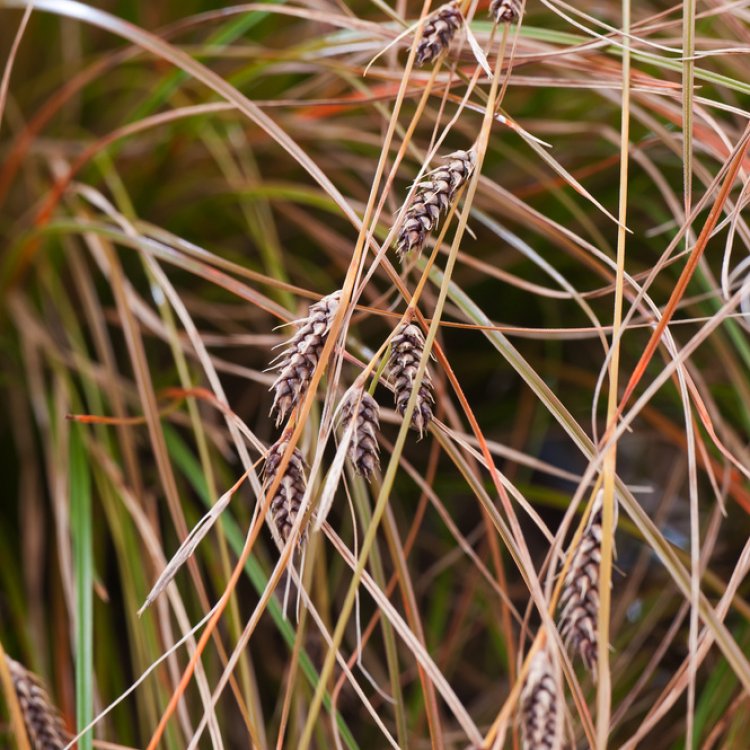
Carex comans Milk Chocolate is a beautiful evergreen ornamental grass. Its distinctive chocolate-brown, hair-like foliage creates a soft, mounding form, providing year-round texture and warmth in UK gardens. This low-maintenance sedge thrives in various positions.
600 in stock
Experience the unique allure of Carex comans Milk Chocolate, a captivating ornamental grass bringing year-round chocolate-bronze foliage and elegant texture to UK gardens.
This distinctive sedge, known for its fine, hair-like leaves, offers a soft yet striking visual appeal. Its rich, warm hues remain consistent throughout the year, making it an invaluable evergreen plant. Originating from New Zealand, Carex comans ‘Milk Chocolate’ thrives in various settings, easily complementing both contemporary and traditional garden designs. It establishes quickly, providing an effortless touch of sophisticated colour.
Carex comans Milk Chocolate is a truly eye-catching plant. It belongs to the large Carex genus, which includes many types of sedges. This particular cultivar stands out for its unique colour. The name “Milk Chocolate” perfectly describes its distinctive, warm brown foliage. Its delicate, fine leaves sway gently in the breeze. This ornamental grass grows to form a compact, graceful mound. Typically, it reaches about 30-50cm in both height and spread. It therefore fits well into many garden spaces.
The plant maintains its attractive appearance all year long. This makes it a reliable choice for continuous garden interest. Regarding its bloom, Carex comans Milk Chocolate produces subtle, inconspicuous flower spikes. These appear during the late spring and early summer months, usually between May and July. However, the plant’s main appeal comes from its stunning foliage. These flowers are not its primary feature.
Gardeners often use this sedge in a variety of ways. It is excellent for edging borders, creating soft transitions. Furthermore, it adds texture to rock gardens or gravel areas. It performs well as ground cover, helping to suppress weeds. Many people also plant it in containers. Here, its arching leaves spill over the edges, creating a waterfall effect. This plant tolerates various soil types, provided they are well-drained. It thrives in full sun to partial shade, showing its versatility across UK gardens.
Carex comans Milk Chocolate is generally a low-maintenance plant. It does not require frequent pruning. Instead, gardeners can simply tidy it in early spring. They remove any dead or damaged foliage at this time. This helps to keep the plant looking fresh and vibrant. While not a major magnet for bees or butterflies, this sedge does provide shelter. Small garden creatures can find refuge within its dense foliage. Therefore, it contributes to overall garden biodiversity.
Very hardy. Tolerates temperatures typical of a continental winter.
Water regularly until established, especially during dry periods in the first year. Requires minimal pruning; simply tidy in early spring by removing any old or dead foliage to maintain a neat appearance. Divide overcrowded clumps every few years in spring to rejuvenate the plant and manage spread. Generally pest and disease free.