£4.18 – £4.90Price range: £4.18 through £4.90
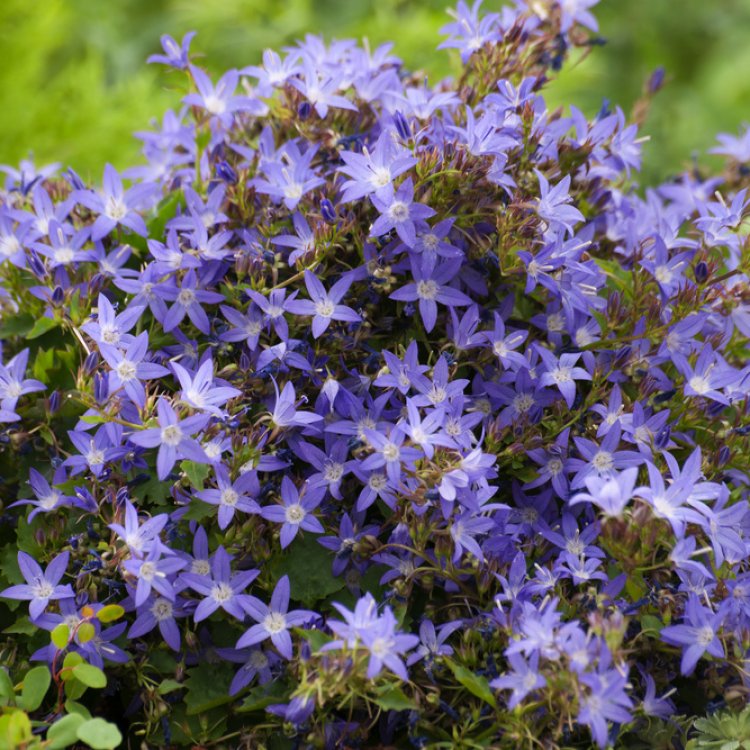
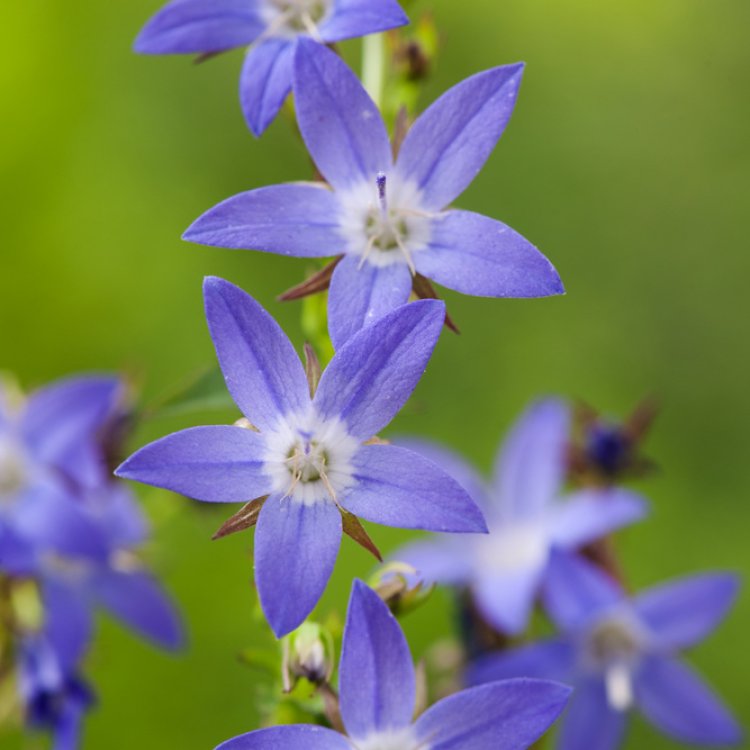
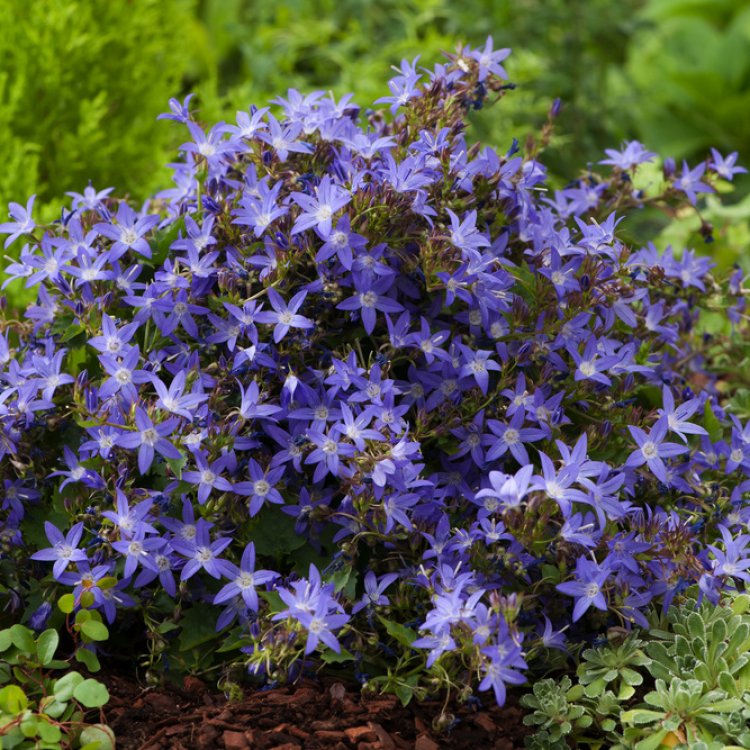
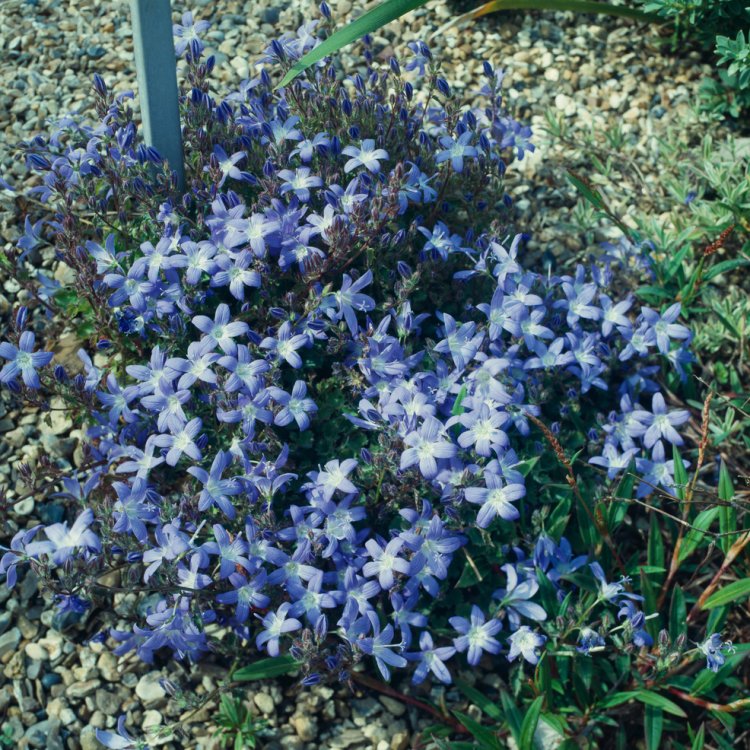
Campanula poscharskyana ‘Stella’ is a low-growing perennial, forming a mat of violet-blue, star-shaped flowers from June to September. Perfect for ground cover and attracting bees, it offers vibrant, easy-care colour.
2928 in stock
Discover Campanula poscharskyana ‘Stella’, a vibrant, low-growing perennial that blankets your garden with star-shaped, violet-blue flowers all summer.
Campanula poscharskyana ‘Stella’, known as Trailing Bellflower, brings easy-care charm to any UK garden. This robust plant forms a delightful mat of heart-shaped leaves. Countless bell-like blooms emerge from this foliage. Its vigorous, spreading habit makes it a superb choice for ground cover. This resilient nature ensures it thrives, offering reliable colour. It provides a sustained floral display, enriching garden spaces from early summer into autumn.
Campanula poscharskyana ‘Stella’ is a charming herbaceous perennial, loved for its prolific display. The name ‘Campanula’ comes from Latin, meaning ‘little bell’. ‘Poscharskyana’ honours Gustav Poscharsky, an Austrian botanist. This cultivar’s name, ‘Stella’, highlights its distinctive star-like blossoms. It typically reaches 0.15 to 0.2 metres in height. Furthermore, it spreads widely, up to 0.6 metres, forming an attractive mat.
From early summer into autumn, Campanula poscharskyana ‘Stella’ delights with a continuous show. Its delicate yet abundant violet-blue flowers truly stand out. They emerge against a backdrop of small, neat, heart-shaped, mid-green leaves. As a herbaceous perennial, its foliage dies back in colder UK winters. However, new growth bravely reappears each spring.
This adaptable plant shines in many garden roles. Use it as a vibrant ground cover, effectively suppressing weeds. It cascades gracefully over rock walls and steps, softening hard landscaping. Furthermore, it works wonderfully in alpine gardens or at the front of mixed borders. Container planting is also a great option, allowing its trailing stems to spill over the sides.
Bees and other beneficial pollinators adore the abundant flowers of this plant. They flock to its blossoms, seeking nectar and pollen. By planting Campanula poscharskyana ‘Stella’, you create a vital food source. This helps support local wildlife throughout the long flowering season. It contributes positively to your garden’s biodiversity.
To maintain its vibrant display, light pruning proves helpful. Deadhead spent flowers regularly to encourage more blooms. After the first main flush, you can cut back the whole plant. This often prompts a second wave of flowering. Trimming also helps manage its spreading habit.
Campanula poscharskyana ‘Stella’ thrives best in full sun to partial shade. It requires well-drained soil to perform optimally. This resilient plant tolerates a range of soil types, including sandy, loamy, and chalky conditions. Its robust nature makes it a superb, low-maintenance choice for many UK gardens. It quickly forms an attractive, flowering mat.
Hardy in the harshest UK conditions and below. Suitable for mountain regions.
Water regularly after planting until established, especially during dry spells. Apply a general-purpose liquid feed monthly during the growing season for best flowering. Deadhead spent flowers consistently to encourage continuous blooming and prevent self-seeding. Cut back hard after the main flush of flowers to rejuvenate the plant and promote a second bloom. Divide overcrowded clumps in spring or autumn every few years to maintain vigour. Provide good air circulation to prevent fungal issues in humid conditions.
This plant is deciduous so it will lose all of its leaves in the autumn and get fresh new foliage each spring.