£34.15 – £36.50Price range: £34.15 through £36.50
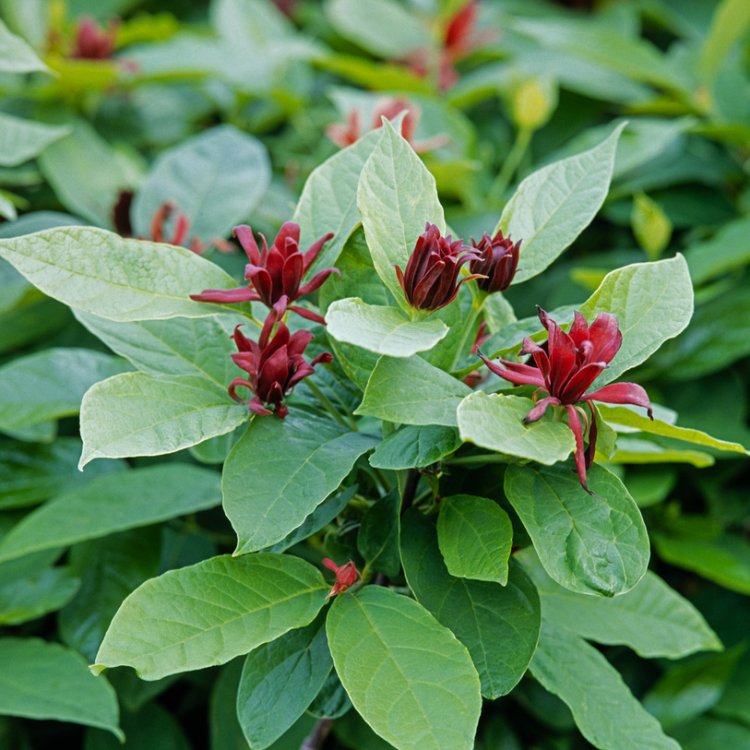
Calycanthus floridus, or Carolina Allspice, is a fragrant deciduous shrub. Enjoy its unique reddish-brown, strawberry-scented flowers and aromatic green leaves from late spring. This hardy plant thrives in UK gardens, attracting pollinators and offering beautiful autumn colour.
66 in stock
Discover the captivating aroma of Calycanthus floridus, also known as Carolina Allspice, a delightful deciduous shrub for UK gardens.
Calycanthus floridus, a charming native of the southeastern United States, brings unique beauty to any garden setting. Often called Eastern Sweetshrub or Strawberry Shrub, it is celebrated for its distinctive, fragrant blooms. This resilient plant offers appealing foliage and an intriguing history, making it a valuable addition for gardeners seeking both visual and olfactory appeal. It thrives well across many British garden conditions, providing reliable interest.
The name Calycanthus comes from Greek words ‘kalyx’ for cup and ‘anthos’ for flower, reflecting its bloom shape. The specific epithet floridus means ‘flowery’, denoting its abundant blossoms. While many varieties exist, the species itself is a robust choice. Some cultivars, such as ‘Hartlage Wine’, offer larger flowers. This plant is known for its strong garden performance.
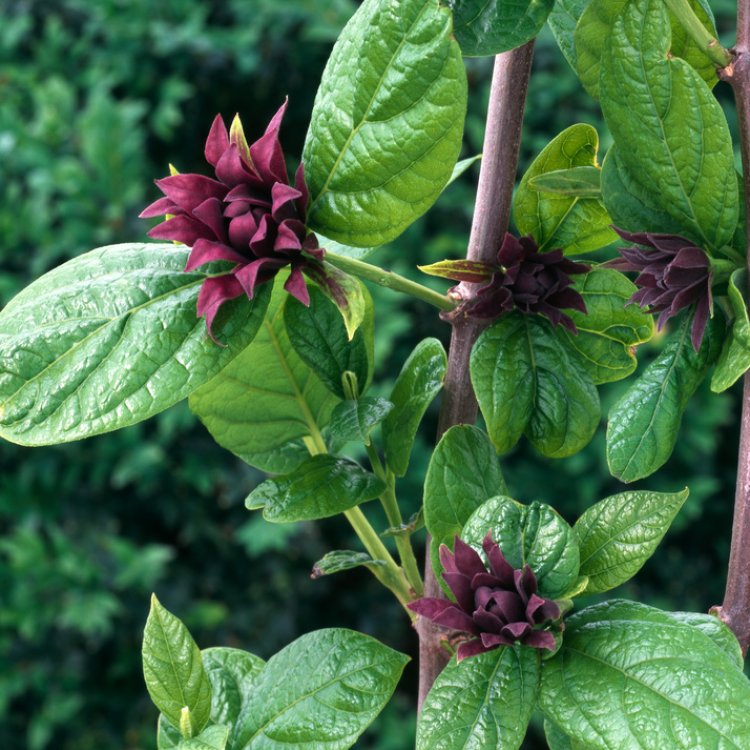
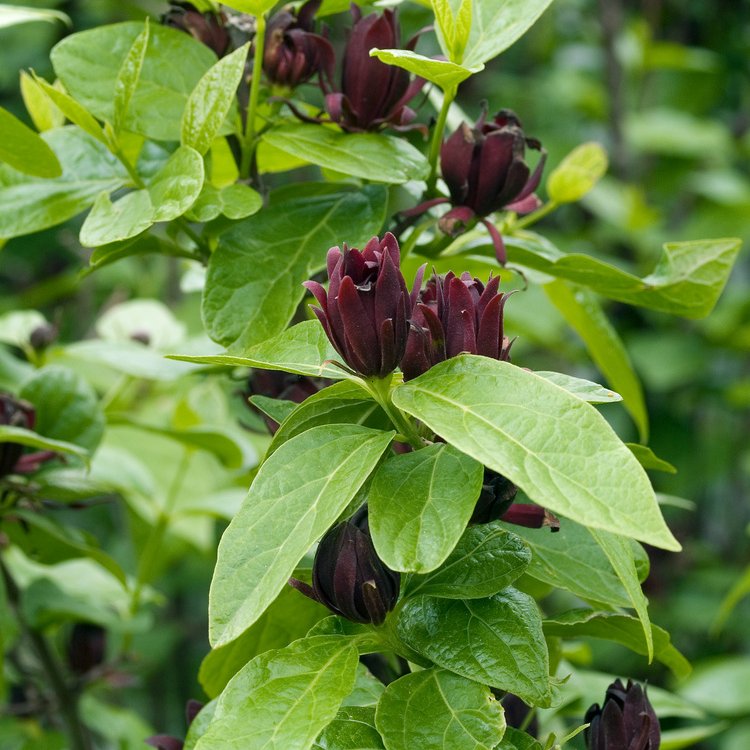
The flowers of Calycanthus floridus are a true garden highlight. They appear from late spring through early summer. These unusual, cup-shaped flowers can vary in shade from rich reddish-brown to deep maroon. Furthermore, their scent is quite unique, often likened to fruit or warming spices. The foliage consists of broad, dark green leaves. Importantly, these leaves also release a pleasant, spicy aroma if gently rubbed or crushed. In autumn, the leaves transition to a lovely yellow hue, adding seasonal interest to your outdoor space.
This plant is perfect for borders or as a striking specimen shrub. It can also create an effective screen or hedge when mass planted. Planting Calycanthus floridus near a path or patio allows you to fully appreciate its wonderful fragrance. Consequently, it enhances sensory gardens significantly. Calycanthus floridus generally requires minimal pruning. However, you can prune it after flowering to maintain its desired shape. Removing any old or dead wood helps promote healthy growth. Harder pruning can also rejuvenate an older plant. Indeed, the flowers of Calycanthus floridus attract various pollinators. Bees and other beneficial insects often visit its unique blooms. This helps support local biodiversity in your garden, encouraging a vibrant ecosystem.
Hardy in all of the UK and northern Europe. Suitable for exposed sites.
Provide regular watering, particularly during dry spells and in its first year of establishment. Apply a general-purpose fertiliser in spring if soil nutrients are low. Prune Calycanthus floridus after it has finished flowering; remove any dead, damaged, or weak wood. You can also thin out crowded stems to improve air circulation and shape the plant. For older, overgrown specimens, a harder rejuvenation prune can be carried out. This plant is generally pest and disease-free but ensure good air circulation to prevent potential issues.
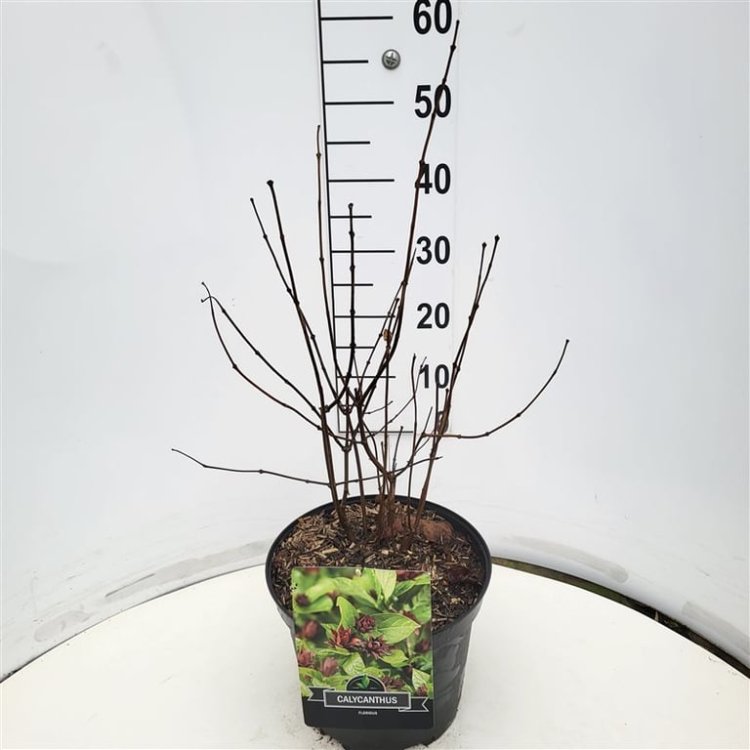
This plant is deciduous so it will lose all of its leaves in the autumn and get fresh new foliage each spring.