£7.88 – £9.31Price range: £7.88 through £9.31
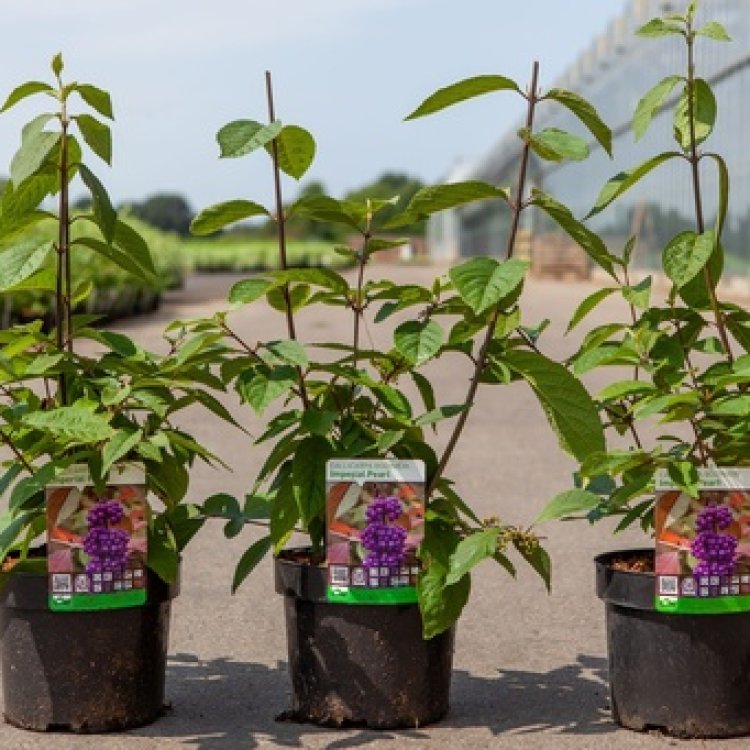
Callicarpa bodinieri ‘Imperial Pearl’ is a stunning deciduous shrub, famed for its brilliant clusters of iridescent purple berries. These vibrant, bead-like fruits provide exceptional autumn and winter interest, offering a splash of unique colour and food for birds in UK gardens.
450 in stock
Discover the captivating autumn and winter charm of Callicarpa bodinieri ‘Imperial Pearl’, a deciduous shrub boasting unique, vibrant purple berries.
This striking plant brings a splash of unexpected colour to UK gardens when most other plants are fading. As summer draws to a close, its leaves transform, paving the way for the true spectacle: an abundance of intensely violet, bead-like fruits. Furthermore, these berries cling to its bare branches long after the foliage has fallen. Therefore, Callicarpa bodinieri ‘Imperial Pearl’ offers exceptional ornamental value and a delightful visual treat throughout the colder months.
The name Callicarpa translates from Greek as ‘beautiful fruit’, a perfectly fitting description for this stunning shrub. Indeed, its cultivar name, ‘Imperial Pearl’, hints at the regal, jewel-like quality of its berries. While the flowers of Callicarpa bodinieri ‘Imperial Pearl’ are rather inconspicuous – small, pinkish-white blooms appearing in mid-summer – they are vital for the later production of its spectacular fruit display. Consequently, planting more than one Callicarpa can often enhance cross-pollination and lead to an even more prolific berry set.
As the growing season progresses, the lush green leaves provide a pleasant backdrop. However, it is in autumn that the foliage truly shines, transitioning through shades of yellow and purple before dropping. After this, the bare stems become festooned with clusters of lustrous, metallic purple berries. These vibrant fruits persist well into winter, providing a vital food source for various garden birds when other options are scarce. This makes Callicarpa bodinieri ‘Imperial Pearl’ an excellent choice for wildlife-friendly gardens across the UK.
Gardeners often use this beautiful shrub as a focal point in mixed borders, where its winter display can be fully appreciated. It also performs well as a specimen plant, drawing the eye during the bleaker months. Pruning is generally minimal; simply remove any dead, damaged, or crossing branches in late winter or early spring to maintain a good shape and encourage strong growth. Furthermore, you can lightly prune to enhance the plant’s structure or manage its size. This ensures a healthy, vigorous plant ready to produce another year of magnificent berries.
Very hardy. Tolerates temperatures typical of a continental winter.
Callicarpa bodinieri 'Imperial Pearl' requires minimal care. Prune in late winter or early spring to remove any dead, damaged, or crossing branches and to maintain its desired shape. Water newly planted shrubs regularly until established. While not strictly necessary, an annual feed in spring can promote vigorous growth and a better berry display. Ensure the plant receives adequate sunlight for the best berry production.
This plant is deciduous so it will lose all of its leaves in the autumn and get fresh new foliage each spring.