£13.05 – £15.41Price range: £13.05 through £15.41
Buddleja weyeriana ‘Flower Power’ is a unique butterfly bush boasting stunning bicolour orange and purple flowers. It attracts bees and butterflies, providing a vibrant display from summer into autumn. Hardy and easy to grow in UK gardens.
60 in stock
Discover Buddleja weyeriana ‘Flower Power’, a vibrant butterfly bush celebrated for its unique bicolour blooms, bringing dynamic charm to any UK garden space.
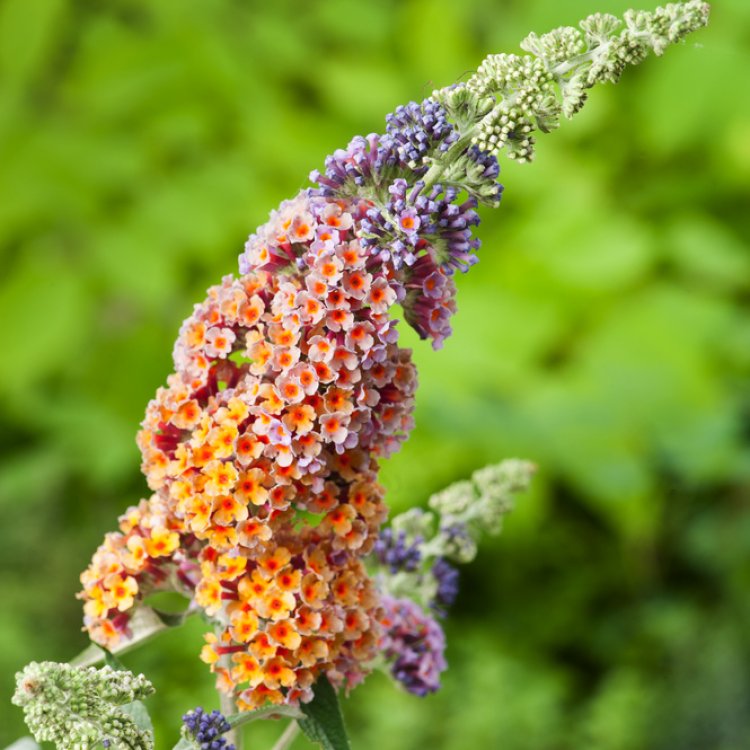
This exceptional hybrid, Buddleja weyeriana ‘Flower Power’, showcases an astonishing display of orange and purple flowers. It creates a stunning visual spectacle throughout summer and autumn. Gardeners across the UK value this plant for its easy-care nature and its undeniable appeal to pollinators. Furthermore, its striking colour combination makes it a focal point in borders or large containers, truly living up to its powerful name.
A Hybrid of Distinction
Buddleja weyeriana ‘Flower Power’ stands as a horticultural triumph. It resulted from crossing Buddleja davidii with Buddleja globosa, leading to the creation of the ‘wyeriana’ group of hybrids. This specific cultivar, ‘Flower Power’, gained its name from its remarkably vibrant, two-toned blooms. Consequently, it consistently delivers an impressive show year after year.
Vibrant Blooms and Lush Foliage
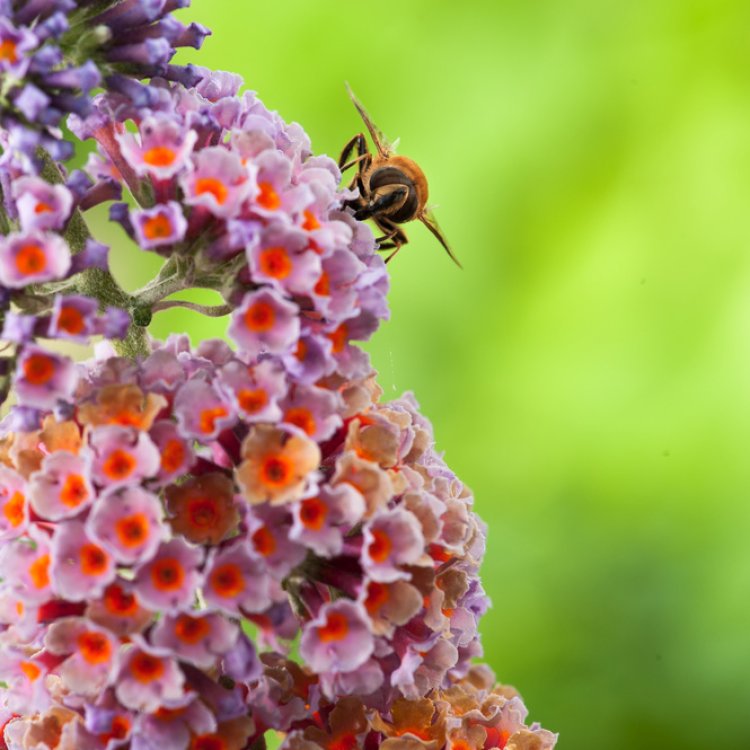
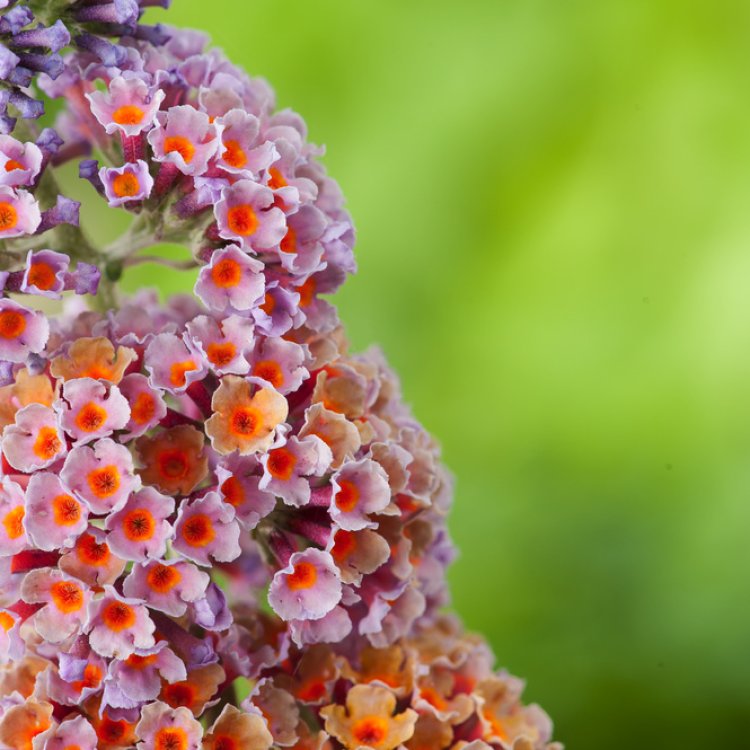
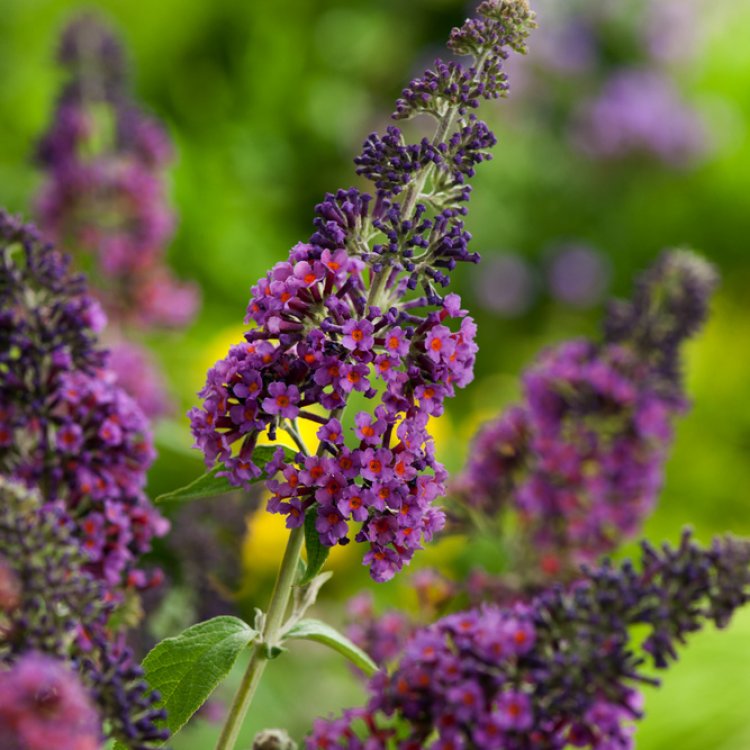
From July right through to October, Buddleja ‘Flower Power’ produces conical flower spikes. These spikes are a fusion of deep purple and bright orange flowers, creating a truly unique colour gradient. As the season progresses, the hues can intensify, maintaining visual interest. Its lance-shaped, grey-green leaves provide a pleasing backdrop to the flamboyant blossoms, adding to its overall appeal in any sunny spot.
Enchanting Wildlife Magnet
As a classic “butterfly bush,” this plant lives up to its reputation. The nectar-rich flowers are an irresistible magnet for various butterflies, including Red Admirals and Peacocks. Bees also flock to the blossoms, actively contributing to local ecosystems. Therefore, planting Buddleja weyeriana ‘Flower Power’ supports garden biodiversity, providing essential food for pollinators.
Versatile Garden Presence
Gardeners frequently plant this robust shrub in mixed borders, where its height adds structure and colour. It also makes an excellent specimen plant, standing alone to command attention. Furthermore, its substantial size means it can form an informal hedge or screen in larger gardens. To maintain its shape and encourage abundant flowering, gardeners commonly prune Buddleja ‘Flower Power’ hard in early spring. This practice ensures a spectacular display each year. This adaptable plant thrives in UK gardens, becoming a cherished addition for its impactful presence.
Very hardy. Tolerates temperatures typical of a continental winter.
Prune Buddleja weyeriana 'Flower Power' hard in late winter or early spring (March in the UK) before new growth begins, cutting stems back to strong buds about 30-60cm from the ground to encourage vigorous new growth and abundant flowering. Water regularly during the first year after planting to establish the root system; once established, it is relatively drought-tolerant but benefits from watering during prolonged dry spells. Apply a balanced granular fertiliser around the plant's base in early spring to support healthy growth. Deadhead spent flowers regularly to encourage continuous blooming and prevent unwanted self-seeding.
This plant is deciduous so it will lose all of its leaves in the autumn and get fresh new foliage each spring.