£27.77 – £30.13Price range: £27.77 through £30.13
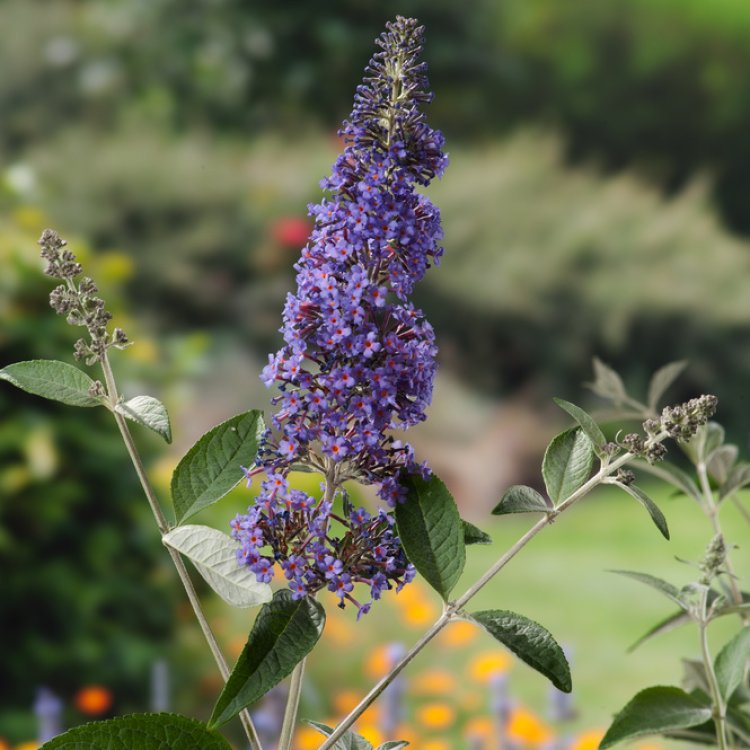
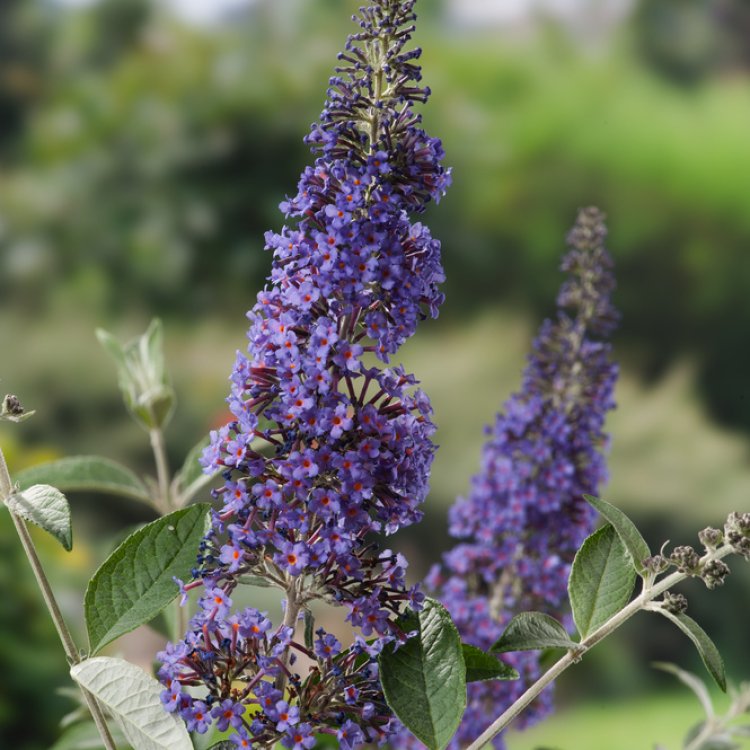
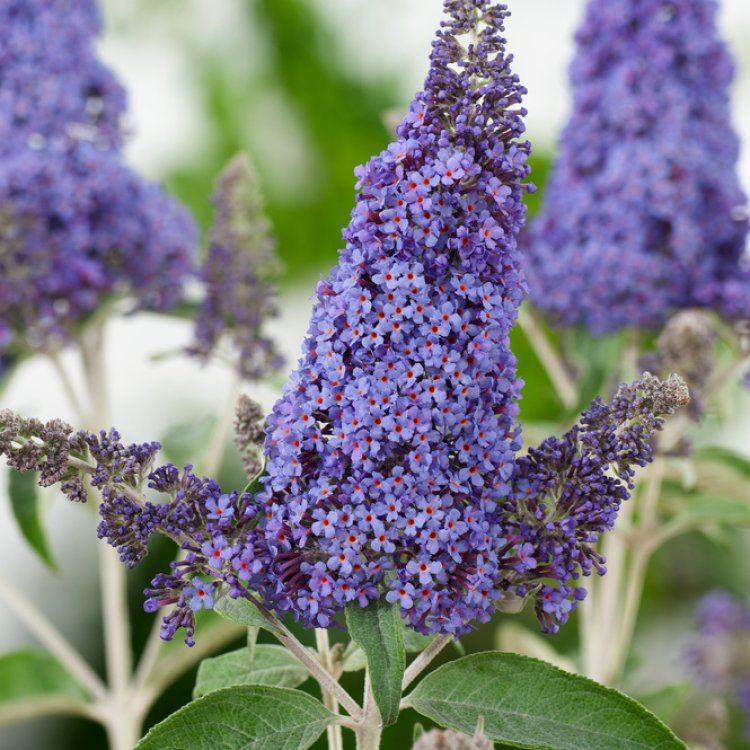
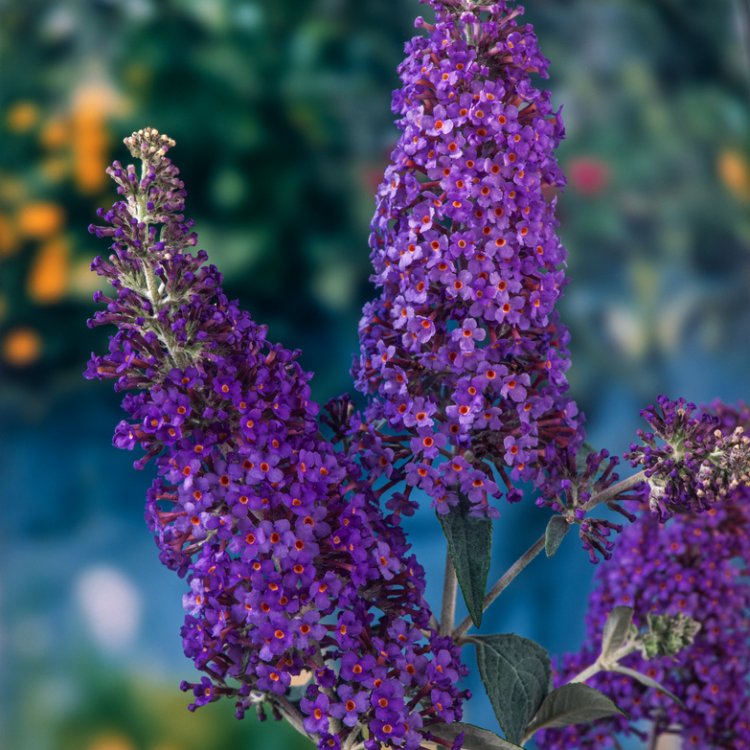
Buddleja ‘Lochinch’, a popular butterfly bush, showcases fragrant lavender-blue flowers with orange eyes from summer to autumn. It vigorously attracts butterflies and bees, making it a vibrant, wildlife-friendly choice for any UK garden.
225 in stock
Discover Buddleja ‘Lochinch’, an elegant butterfly bush renowned for its lavender-blue flowers and exceptional appeal to garden wildlife.
Buddleja ‘Lochinch’ stands as a superb example of a classic garden shrub. This particular cultivar offers a wonderful display of fragrant blooms throughout the summer months. Gardeners across the UK value its vigorous growth and remarkable ability to attract pollinators, transforming any space into a vibrant haven. Its beautiful flower panicles ensure a long season of interest and charm. This plant quickly establishes itself, becoming a cherished part of many garden designs. Furthermore, it adds structure and colour wherever it grows.
Buddleja ‘Lochinch’ is a distinguished cultivar within the Buddleja davidii family, a group often known as the butterfly bush. Its name reportedly links back to Lochinch Castle in Scotland, hinting at its historical roots and selection. This particular variety consistently produces an abundance of blooms, thus making it a favourite among garden enthusiasts. Gardeners appreciate its reliable performance year after year.
The principal attraction of Buddleja ‘Lochinch’ lies in its exquisite flowers. These appear as graceful, tapering panicles, each bursting with numerous tiny lavender-blue blossoms. Each delicate bloom also features a bright orange eye, which further enhances its visual appeal. The flowers emit a sweet, subtle fragrance, a trait that appeals to both humans and insects. Complementing these vibrant blooms are the plant’s lanceolate, grey-green leaves. These leaves often have a soft, felted texture on their undersides. Being deciduous, the shrub sheds its foliage in late autumn, preparing for new growth in spring.
This versatile shrub perfectly suits a range of garden designs in the UK. Buddleja ‘Lochinch’ thrives when planted in sunny borders, where its height and spread create a significant presence. Moreover, it makes an excellent standalone specimen, drawing the eye with its colourful display. Many gardeners also use it effectively in informal hedges or as part of a larger mixed planting scheme. Its robust nature means it establishes well in most gardens. Therefore, it is a fantastic choice for those seeking a low-maintenance, high-impact plant.
One of the most celebrated aspects of Buddleja ‘Lochinch’ is its incredible benefit to local wildlife. The nectar-rich flowers act as a powerful magnet for butterflies, attracting a diverse array of species to your garden. Bees also frequently visit the blooms, playing a crucial role in pollination. Providing such a vital food source makes this butterfly bush an indispensable addition to any wildlife-friendly garden. This interaction truly brings your outdoor space to life.
Buddleja ‘Lochinch’ generally requires minimal care to flourish. However, a hard prune in late spring encourages vigorous new growth and a prolific display of flowers. This simple task ensures the plant remains compact and healthy, producing the best possible blooms. Regular deadheading throughout the flowering season can also promote the development of more flowers, extending its show. This helps maintain the plant’s overall vigour and appearance.
Very hardy. Tolerates temperatures typical of a continental winter.
Hard prune in late spring to encourage vigorous new growth and abundant summer flowers. Deadhead spent blooms regularly to promote continuous flowering and maintain a tidy appearance. Water well during dry spells, especially when establishing. Feed annually with a general-purpose fertiliser if growth is poor.
This plant is deciduous so it will lose all of its leaves in the autumn and get fresh new foliage each spring.