£5.20 – £7.56Price range: £5.20 through £7.56
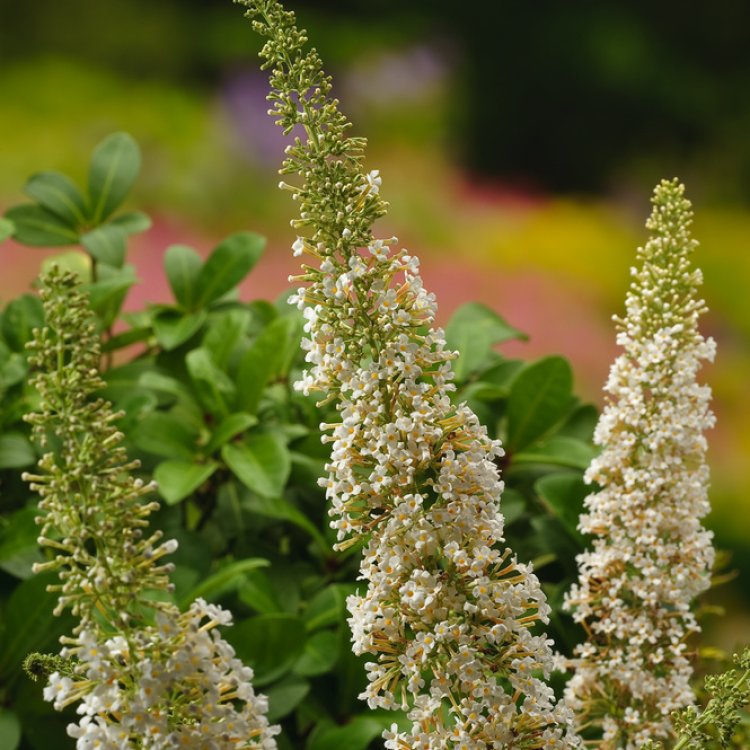
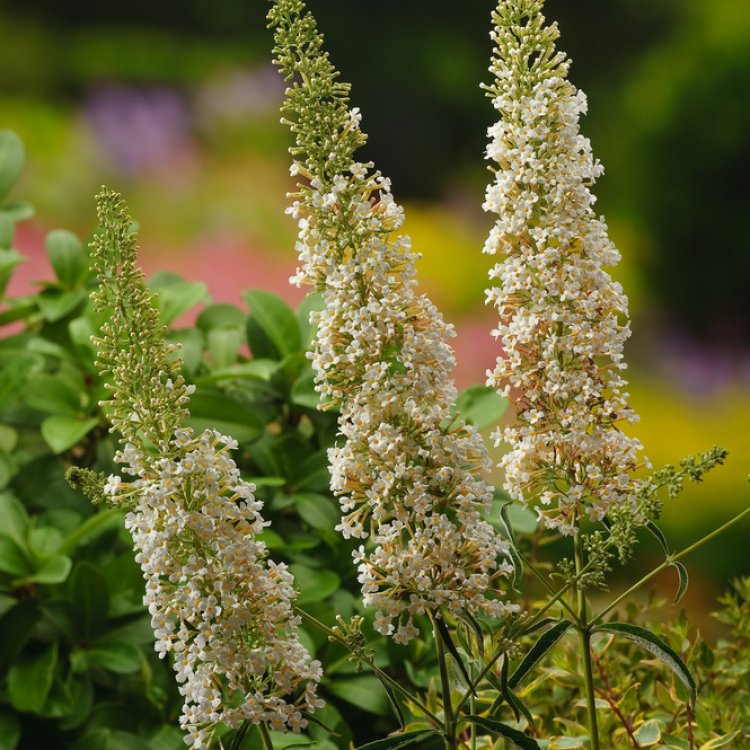
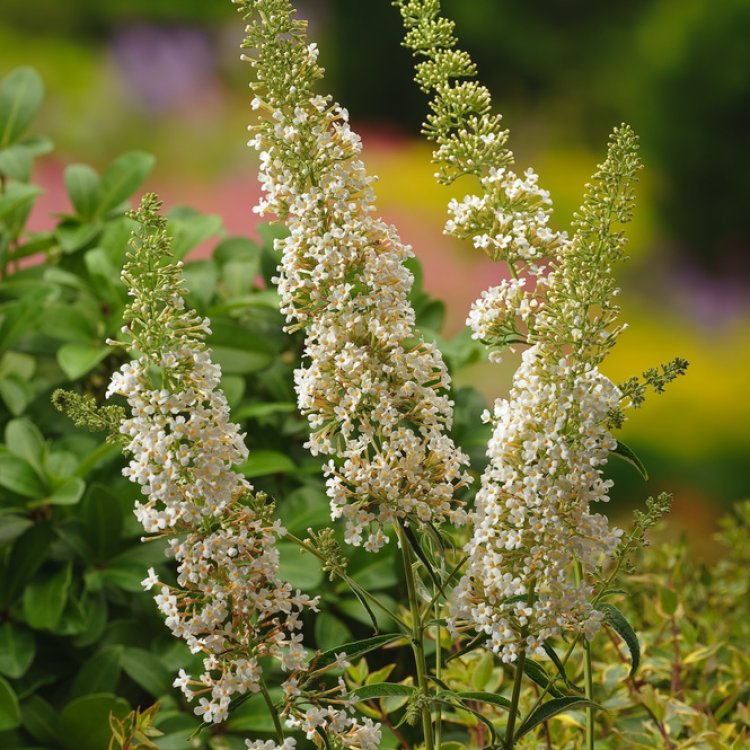
Buddleja davidii ‘Nanho White’ is a graceful Butterfly Bush, known for its elegant pure white flowers. Blooming from summer into autumn, it actively attracts butterflies and bees to your UK garden. This hardy and compact shrub offers beauty and wildlife appeal.
575 in stock
Buddleja davidii ‘Nanho White’, a stunning butterfly bush, brightens UK gardens with its elegant white blooms and attracts beneficial pollinators.
This beloved cultivar of Buddleja davidii is cherished for its graceful, arching branches and pure white flowers. It brings lively motion to your garden as insects flutter about its nectar-rich spires. Originating from China, the Buddleja genus was named after the Reverend Adam Buddle, an English botanist. The species ‘davidii’ honours Father Armand David, a French missionary and naturalist. He first observed this plant in China.
Buddleja davidii ‘Nanho White’ is a distinctive form of the classic Butterfly Bush. Gardeners value this particular cultivar for its pure white flower spikes. These flowers contrast beautifully with its slender, grey-green leaves. The cultivar ‘Nanho White’ was selected for its elegant appearance and slightly more compact growth. It forms a lovely, rounded shrub in time. Therefore, it suits many garden styles.
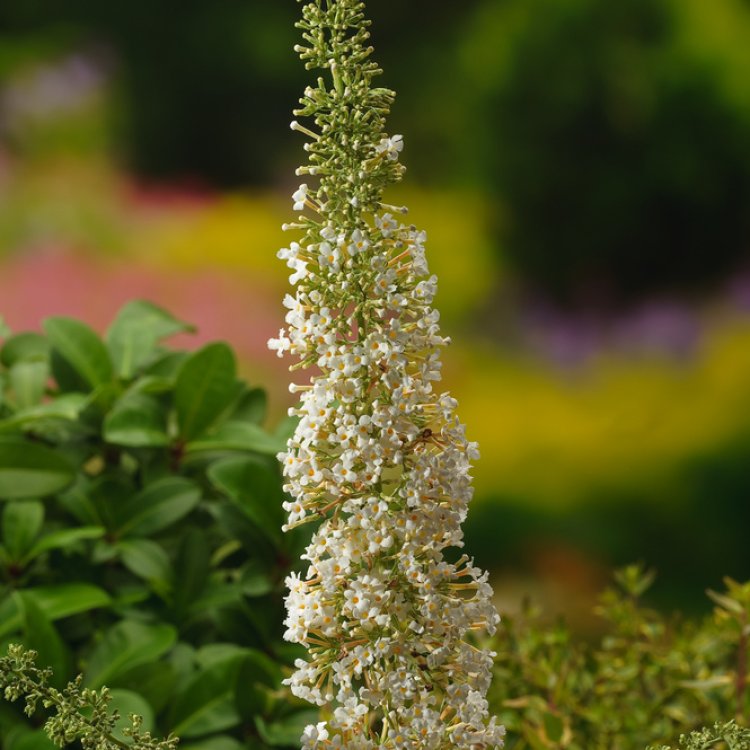
From mid-summer right through to autumn, this plant produces an abundance of blooms. These fragrant, ice-white flowers grow in long, tapering clusters. Each bloom provides a rich source of nectar. Consequently, it acts as a magnet for many types of butterflies, including Red Admirals and Peacocks. Bees also frequently visit the plant, aiding local ecosystems and promoting biodiversity.
The common name, Butterfly Bush, clearly describes its greatest appeal. People often plant Buddleja davidii ‘Nanho White’ specifically to invite these beautiful insects. Its delicate white blooms offer a stark yet elegant contrast to the vibrant colours of visiting butterflies. Furthermore, the plant’s light scent enhances the garden experience, especially on warm summer days.
Plant Buddleja davidii ‘Nanho White’ to create a captivating focal point in your garden. It fits perfectly into mixed borders, adding vertical interest and a soft colour. You can also use it as a standalone specimen plant. Its moderate size means it suits smaller garden spaces or large containers. Furthermore, its ability to attract wildlife makes it ideal for pollinator-friendly gardens throughout the UK.
Proper pruning is essential for maintaining the health and vigour of this Buddleja. We recommend hard pruning in late winter or early spring, typically around March in the UK. This encourages strong new growth and plentiful flowers for the coming season. Simply cut back all stems to a sturdy framework, about 30-60cm from the ground. This practice keeps the plant compact and floriferous, preventing it from becoming leggy.
Very hardy. Tolerates temperatures typical of a continental winter.
Hard prune Buddleja davidii 'Nanho White' in late winter or early spring (around March) by cutting back all stems to a sturdy framework, approximately 30-60cm from the ground. This promotes vigorous new growth and a prolific display of flowers. Water regularly during its first year to establish strong roots. Once established, it is drought tolerant but will benefit from watering during prolonged dry spells. Deadheading spent flowers throughout the summer can encourage further blooming.
This plant is deciduous so it will lose all of its leaves in the autumn and get fresh new foliage each spring.