£5.20 – £7.56Price range: £5.20 through £7.56
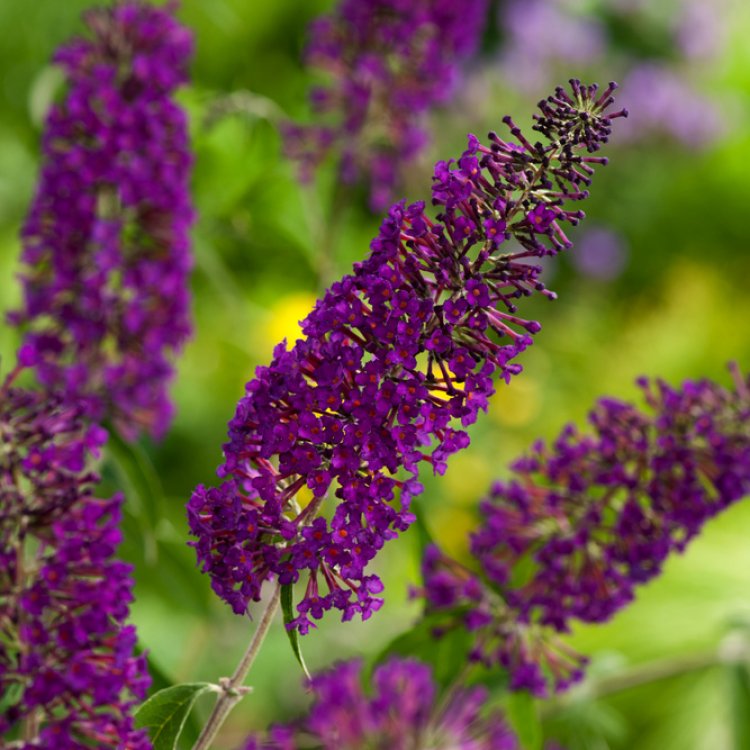
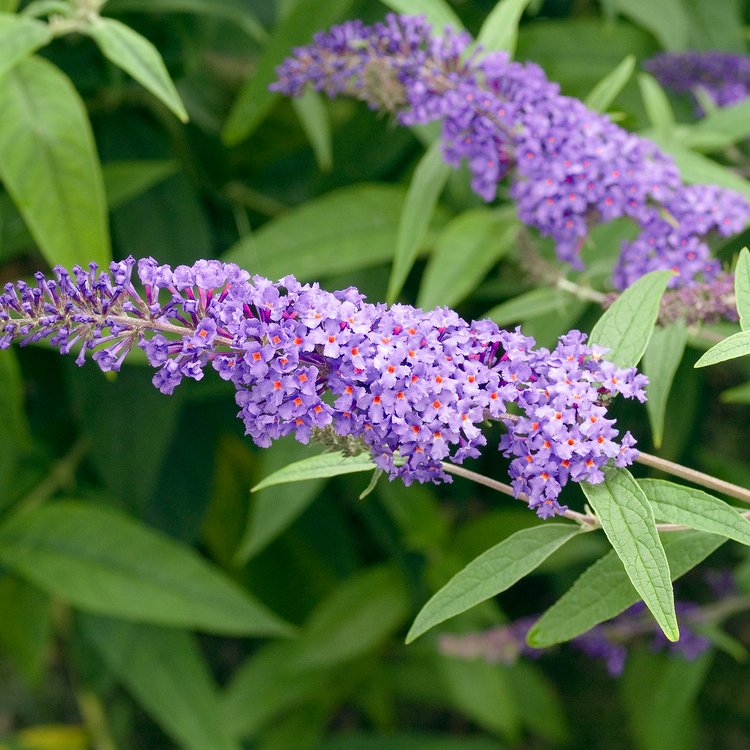
Buddleja davidii ‘Nanho Purple’, the compact Butterfly Bush, offers vibrant, fragrant purple flowers with orange eyes from summer to autumn. It’s a magnet for butterflies and bees, perfect for adding colour and life to your UK garden.
33 in stock
Buddleja davidii ‘Nanho Purple’ brings vibrant purple blooms and a delightful scent, attracting butterflies to your UK garden.
This enchanting deciduous shrub, commonly known as the Butterfly Bush or Summer Lilac, creates a spectacular display in any garden. Its impressive conical flower spikes appear from mid-summer, continuing well into autumn, ensuring a prolonged period of interest. As well as offering stunning visual appeal, Buddleja davidii ‘Nanho Purple’ provides an essential food source for a host of beneficial insects, truly living up to its common name. This makes it an invaluable addition to any wildlife-friendly planting scheme.
This popular cultivar of the Butterfly Bush, Buddleja davidii ‘Nanho Purple’, is a garden favourite. The genus Buddleja honours Adam Buddle, an English botanist. Furthermore, the species name, davidii, recognises Father Armand David, a French missionary who first documented it in China. ‘Nanho Purple’ refers to its discovery near Nanho Mountain and its vibrant flower colour. This particular variety stands out due to its more restrained size compared to its wilder relatives. Therefore, it suits a wider range of garden designs, from mixed borders to feature plantings.
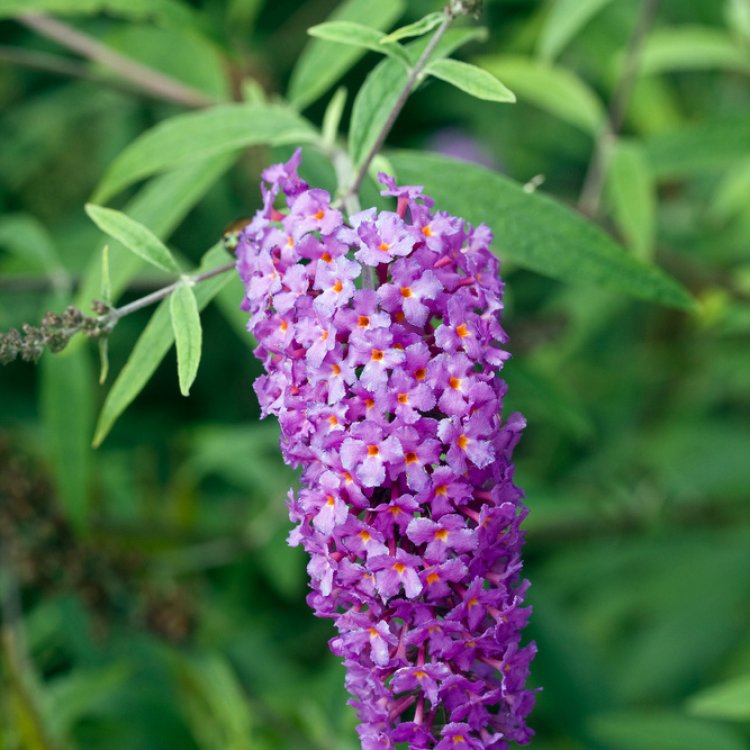
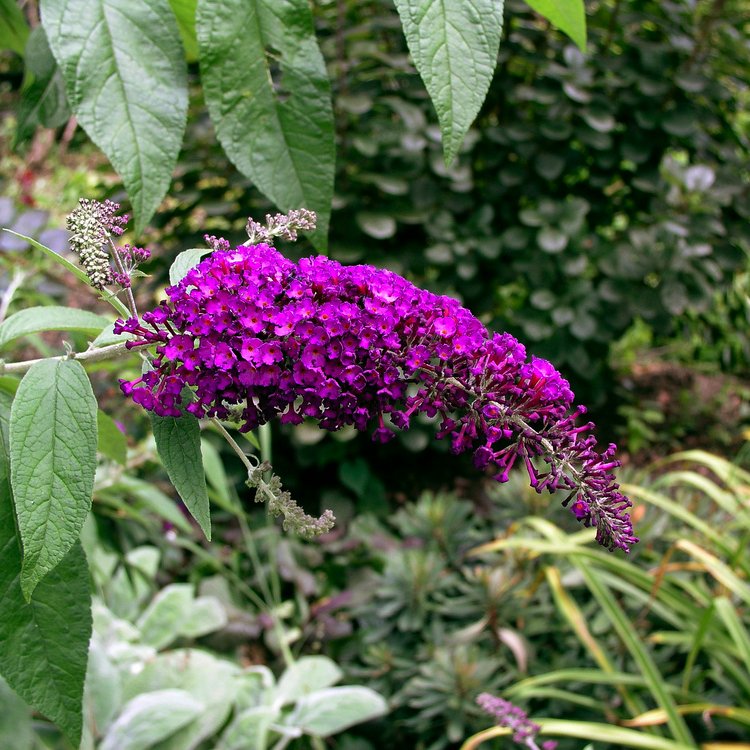
Each summer, Buddleja davidii ‘Nanho Purple’ bursts into life with an abundance of striking, fragrant flower spikes. These long, slender panicles are a rich purple, each bloom highlighted by a small, contrasting orange eye. The sweet scent fills the air, creating a truly sensory experience. Its narrow, lance-shaped leaves are a subtle grey-green, often with a silvery, felted underside, providing an attractive backdrop to the colourful blooms. As autumn approaches, the foliage adds textural interest before the leaves fall, preparing for winter.
The compact nature of Buddleja davidii ‘Nanho Purple’ makes it incredibly versatile. It thrives as a focal point in perennial borders or within mixed shrub plantings. Gardeners also use it effectively in cottage gardens or as an informal hedge. Despite its compact growth, regular pruning is crucial. Trimming the plant hard in early spring encourages vigorous new growth and maximises flower production. This routine keeps the shrub healthy and ensures a spectacular display each year. Consequently, you will enjoy a more floriferous and shapely plant.
Truly earning its common name, the Butterfly Bush, this Buddleja davidii ‘Nanho Purple’ is a magnet for the garden’s winged visitors. The nectar-rich flowers are an irresistible draw for numerous butterfly species, including Peacocks, Red Admirals, and Tortoiseshells. Additionally, bees and other valuable pollinating insects flock to its vibrant blooms. Planting this shrub significantly boosts biodiversity in your outdoor space. It provides essential sustenance when many other plants have finished flowering. Consequently, it supports the local ecosystem, making your garden a lively and buzzing sanctuary.
Very hardy. Tolerates temperatures typical of a continental winter.
This plant is deciduous so it will lose all of its leaves in the autumn and get fresh new foliage each spring.