£19.93 – £22.28Price range: £19.93 through £22.28
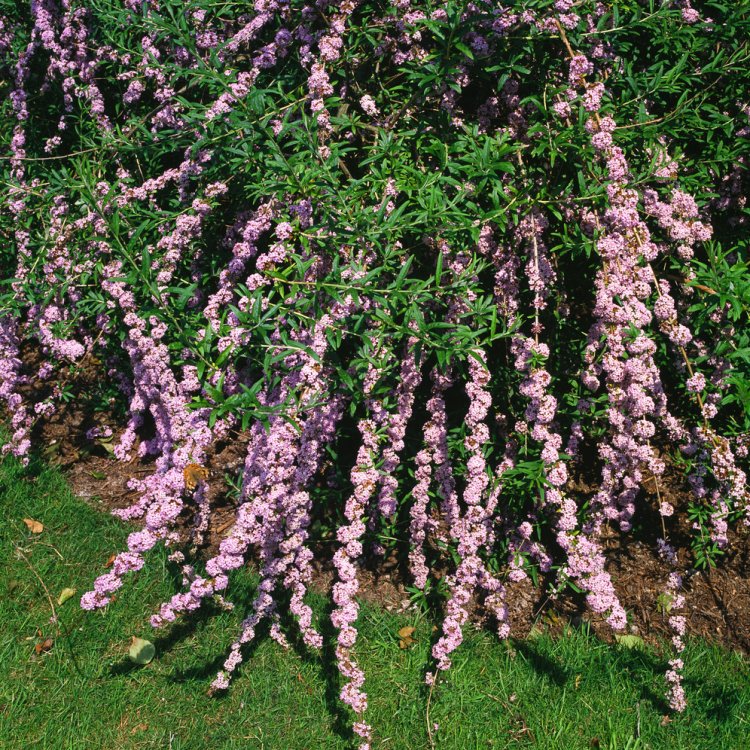
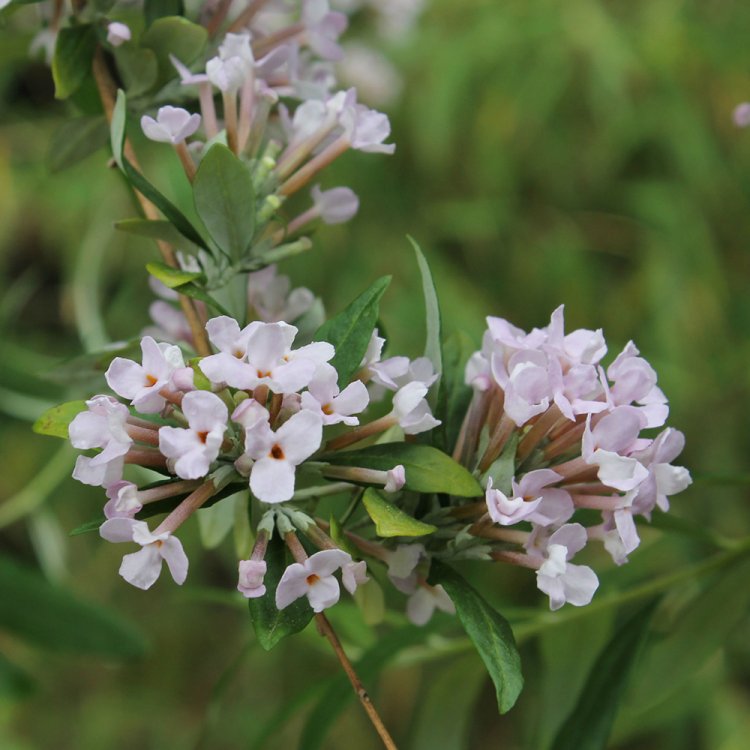
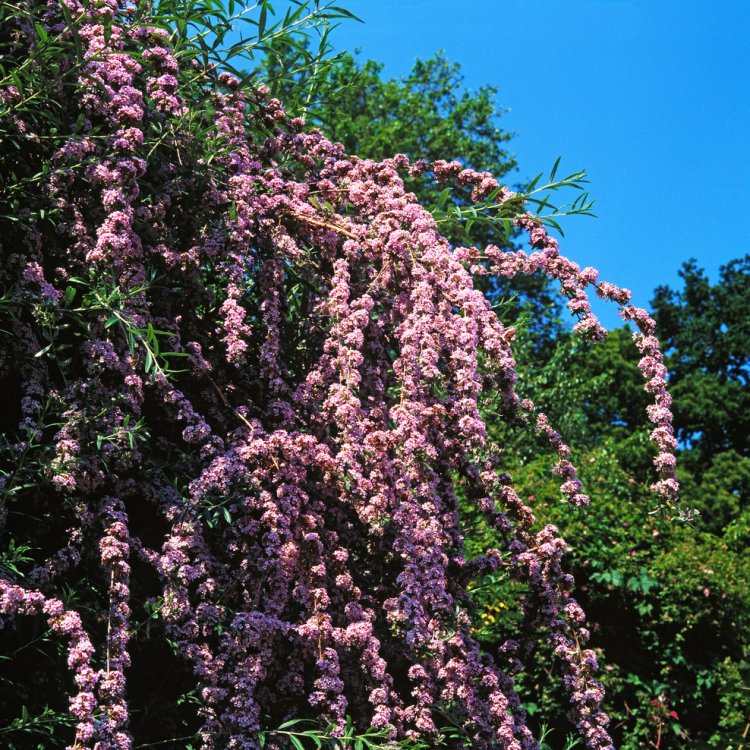
Buddleja alternifolia, the Weeping Butterfly Bush, delights with its unique cascading form and arching branches. Enjoy abundant, fragrant lavender-purple flowers from June to July, drawing butterflies and bees to your garden. This hardy shrub makes a superb specimen plant.
167 in stock
Buddleja alternifolia, the exquisite weeping butterfly bush, creates a dramatic floral display with its gracefully arching stems.
This beautiful deciduous shrub captivates with its distinctive form, setting it apart from other Buddleja species. Originating from China, it brings an elegant touch to any UK garden. Gardeners admire Buddleja alternifolia for its profusion of fragrant, lavender-purple flowers. These bloom in early summer, attracting a lively array of pollinators. Indeed, its unique weeping habit makes it a truly special addition, offering architectural interest and vibrant colour.
Buddleja alternifolia stands out among its relatives. It forms a large, spreading shrub with graceful, arching branches. Unlike the more common Buddleja davidii, this plant produces its beautiful flowers along the entire length of last year’s wood. This creates a stunning cascade of colour.
The name ‘alternifolia’ refers to its alternate leaf arrangement. This unique feature easily distinguishes it from other species. Each slender stem becomes adorned with dense clusters of small, fragrant, lavender-purple blooms. They appear in late spring and early summer, truly enhancing the garden.
The foliage itself offers year-round appeal. Its narrow, lance-shaped leaves are a soft grey-green, providing an attractive backdrop. As previously mentioned, the flowering period spans from June to July. During this time, the plant becomes a magnet for garden wildlife. Bees buzz contentedly around the nectar-rich flowers. Meanwhile, various butterflies, including Red Admirals and Peacocks, frequently visit its scented blooms. Therefore, planting Buddleja alternifolia contributes positively to local biodiversity.
Gardeners often choose Buddleja alternifolia as a magnificent specimen plant. Its distinctive weeping habit demands attention. You can site it effectively at the back of a large border. Alternatively, plant it to cascade over a wall or bank. Some gardeners also train it against a sunny wall as an espalier. This further showcases its elegant form. This versatility ensures it complements many garden styles, from informal cottage gardens to more structured designs.
Proper pruning is essential for maintaining the shape and vigour of Buddleja alternifolia. Since it flowers on old wood, prune it immediately after flowering finishes in July. Remove any faded flower stems and thin out overcrowded or crossing branches. You can also cut back up to one-third of the older, woodier stems to the base. This encourages fresh new growth. Avoid hard pruning in spring, as this will remove the flower buds for the coming season.
Very hardy. Tolerates temperatures typical of a continental winter.
Water newly planted Buddleja alternifolia regularly until established. Once established, it is notably drought-tolerant. However, it will benefit from watering during prolonged dry spells, especially if grown in containers.
Generally, Buddleja alternifolia does not require heavy feeding. Apply a balanced, slow-release granular fertiliser in spring to support healthy growth and flowering. Avoid high-nitrogen feeds, which encourage leafy growth at the expense of blooms.
Crucially, prune immediately after flowering, typically in July. This plant flowers on wood produced the previous year, so spring pruning will unfortunately remove potential blooms. Remove faded flower stems and thin out any congested or crossing branches to maintain an open structure. You can also cut back up to one-third of the older, woodier stems to the base to encourage fresh, vigorous growth. For rejuvenation, a harder prune can be performed over two to three years.
Buddleja alternifolia is generally robust and largely free from serious pests or diseases. Keep an eye out for common garden pests like aphids or red spider mites, especially in dry conditions. Treat with an appropriate organic pest control if necessary. Ensure good air circulation to prevent fungal issues.
This plant is deciduous so it will lose all of its leaves in the autumn and get fresh new foliage each spring.