£4.18 – £4.90Price range: £4.18 through £4.90
Brunnera macrophylla, or Siberian bugloss, offers charming blue spring flowers and attractive heart-shaped foliage. This hardy perennial thrives in shade, providing excellent ground cover and attracting bees to UK gardens.
11010 in stock
Discover Brunnera macrophylla, also known as Siberian bugloss, a charming herbaceous perennial bringing lovely spring blooms and beautiful foliage to your garden.
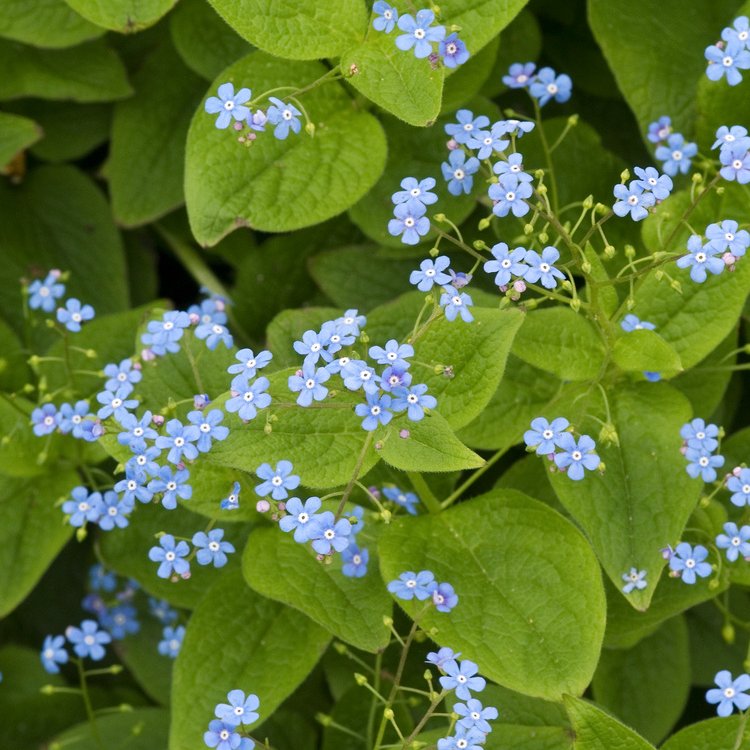
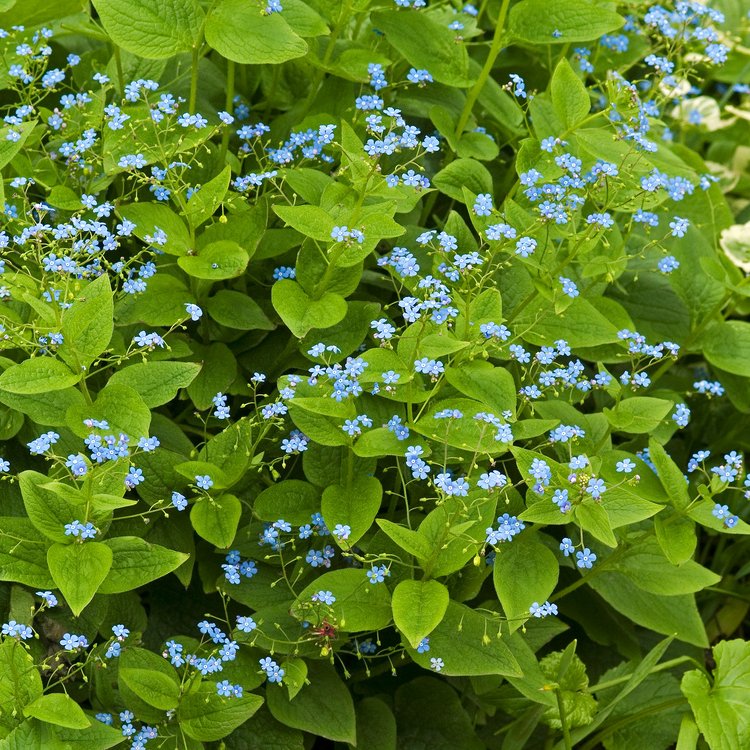
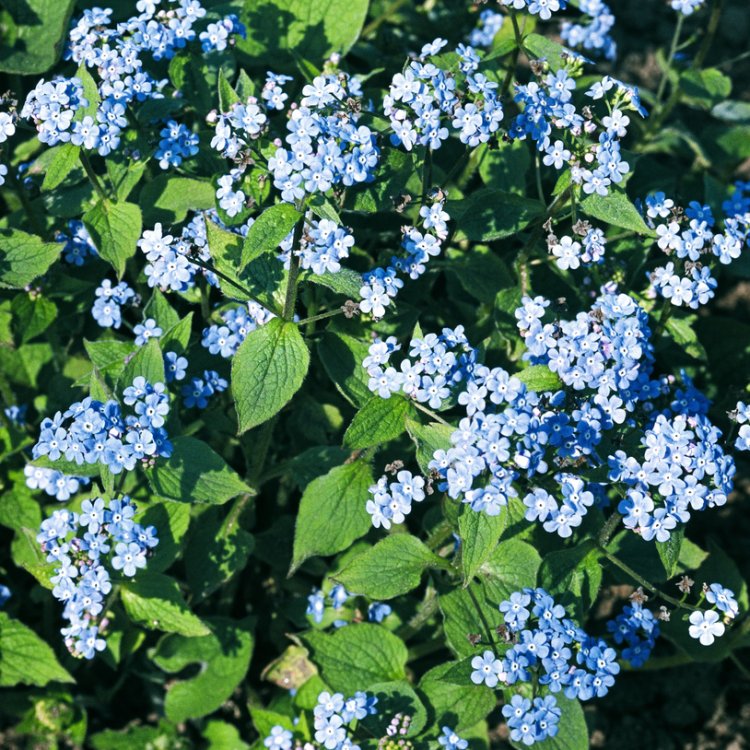
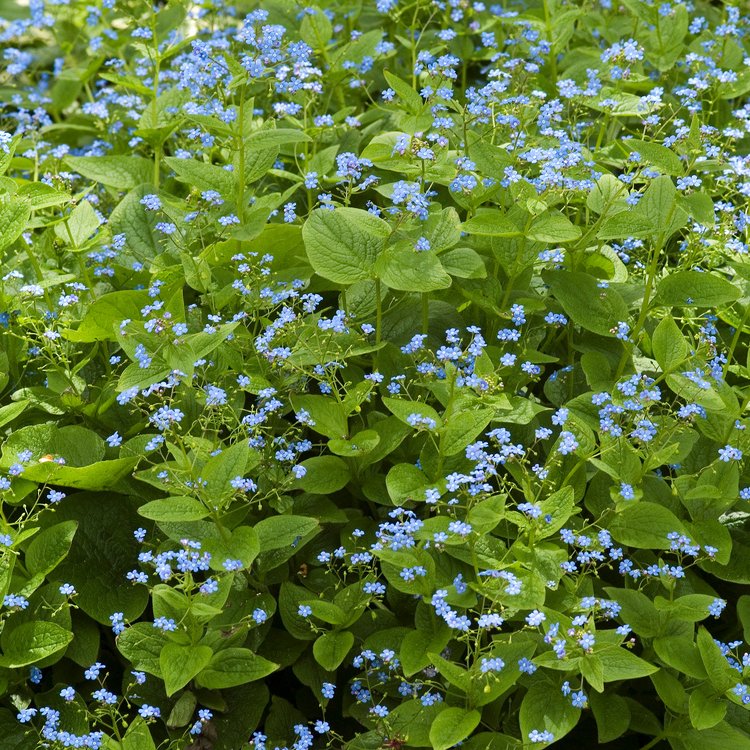
Brunnera macrophylla offers a delightful display of tiny, sky-blue, forget-me-not-like flowers each spring. This hardy perennial is cherished for its attractive, heart-shaped leaves, which form neat clumps. It creates wonderful ground cover, especially in shadier spots where many plants struggle. Gardeners often choose this plant for its consistent beauty and ease of care. Its gentle charm and adaptability make it a popular choice for UK gardens seeking reliable performance.
Brunnera macrophylla, commonly known as Siberian bugloss or false forget-me-not, is a captivating plant. It originates from the Caucasus region of Eastern Europe and Asia. This species gets its genus name, Brunnera, from the Swiss botanist Samuel Brunner. The specific epithet, macrophylla, fittingly means ‘large-leaved’. It refers to its prominent foliage. These leaves provide texture and interest through the growing season. This plant truly adds elegance.
In spring, typically from April to June, Brunnera macrophylla produces loose sprays of tiny, brilliant blue flowers. These blossoms closely resemble the popular forget-me-not. They create a soft, ethereal cloud of colour. The flowers rise above the main clump of foliage on slender stems.
Following this charming floral display, the plant’s main attraction becomes its large, heart-shaped basal leaves. While the species generally has deep green foliage, many sought-after cultivars feature intricate silver variegation or speckles. These truly brighten shady corners.
This robust perennial serves many purposes in the garden. It acts as superb ground cover beneath deciduous trees and shrubs. You can also plant Brunnera macrophylla along shaded borders. Alternatively, use it to naturalise areas in a woodland garden. Its compact, clumping habit makes it suitable for edging pathways where dappled light falls. Furthermore, the plant effectively suppresses weeds when established. It keeps your beds neat.
Brunnera macrophylla is a low-maintenance plant. It generally requires little pruning. However, you can deadhead spent flower stalks to maintain a tidy appearance. You may also remove any old or damaged leaves to refresh the plant. Furthermore, its cheerful spring flowers are a magnet for early pollinators, such as bees. Thus, growing this plant actively supports local wildlife. It enhances your garden’s biodiversity. Its natural beauty and resilience make it a true asset to any UK garden.
Hardy in the harshest UK conditions and below. Suitable for mountain regions.
Water regularly during dry spells, especially during the first year after planting, to help establishment. Ensure the soil remains moist but well-drained; incorporate organic matter like compost to improve soil structure and fertility. Apply a balanced, general-purpose fertiliser in early spring to support vigorous growth. Deadhead spent flower stalks to maintain a tidy appearance and encourage further blooming, or to prevent unwanted self-seeding. In late autumn or early spring, cut back any old, damaged, or untidy foliage to refresh the plant's appearance. Apply a protective layer of mulch around the base of the plant in autumn to help retain soil moisture, suppress weeds, and insulate roots during winter.