£4.12 – £6.48Price range: £4.12 through £6.48
Berberis thunbergii ‘Atropurpurea’, the Purple Japanese Barberry, offers deep burgundy foliage all summer, turning fiery red in autumn. Small yellow flowers and bright red berries add seasonal charm. This hardy, versatile shrub is perfect for borders or hedges.
40 in stock
Discover Berberis thunbergii ‘Atropurpurea’, a resilient shrub bringing rich, purple foliage and seasonal interest to UK gardens with ease.
This striking deciduous shrub, often known as Purple Japanese Barberry, stands out with its vibrant, deep burgundy leaves. Gardeners widely appreciate its robust nature and strong visual appeal, making it a popular choice for many landscaping schemes. It thrives in diverse conditions across the UK, offering beauty through multiple seasons. Furthermore, its manageable size and distinctive colour make it an excellent addition to both small and large outdoor spaces.
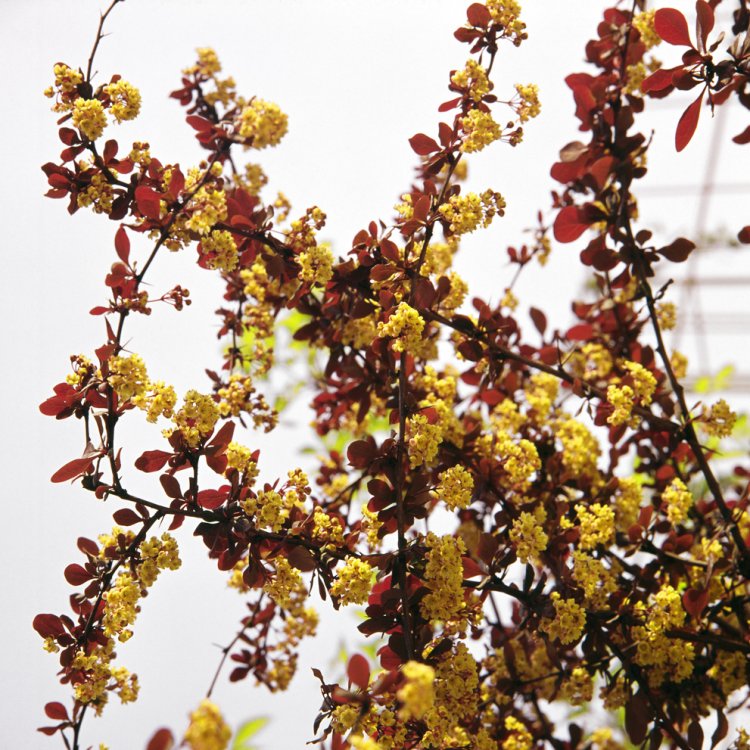
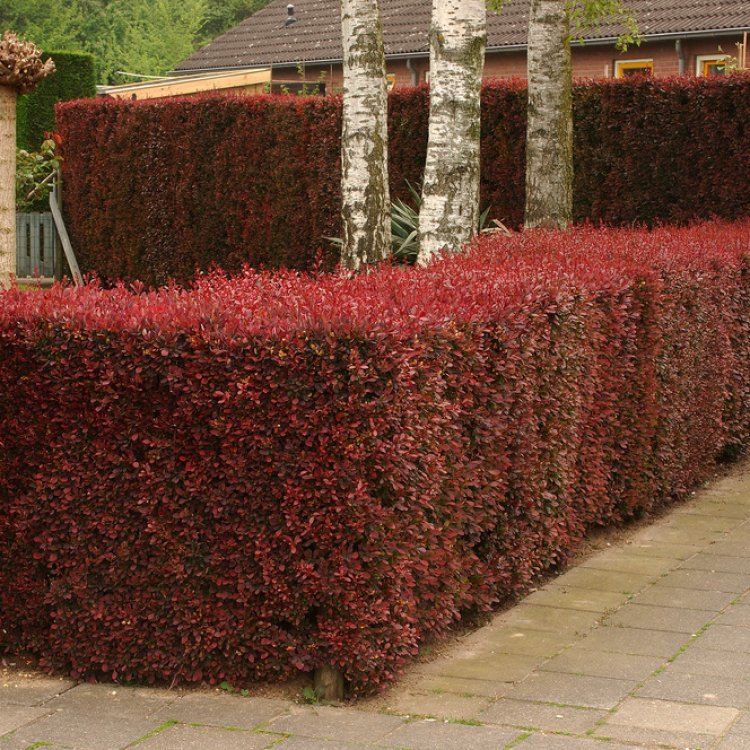
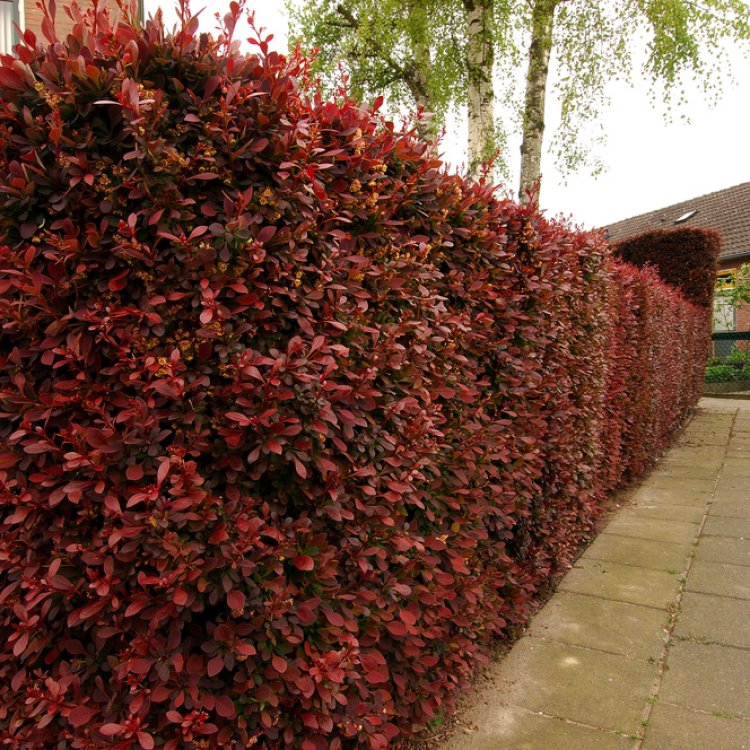
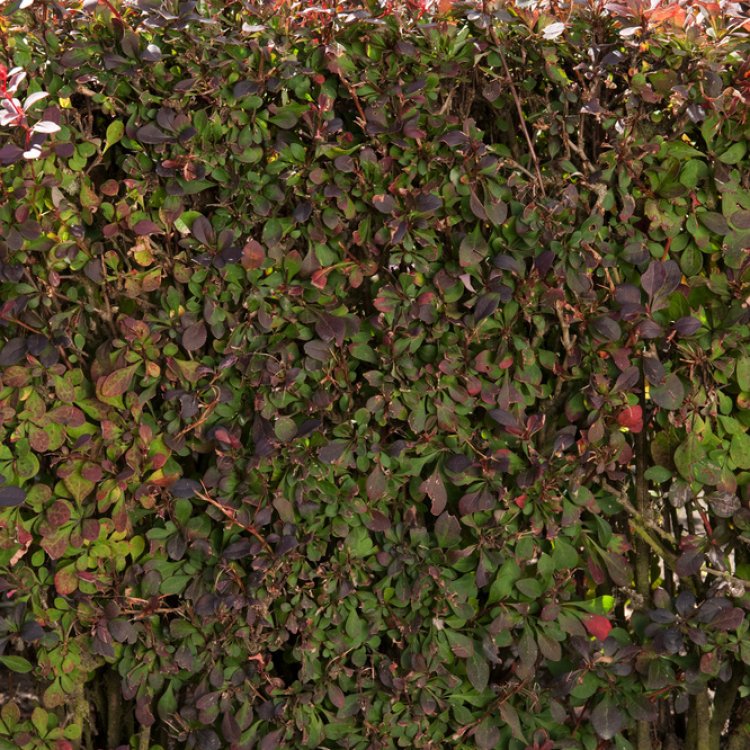
Berberis thunbergii ‘Atropurpurea’ hails from Japan and its name honours Swedish botanist Carl Peter Thunberg. The cultivar name ‘Atropurpurea’ aptly describes its intense, dark purple colouring. Indeed, its most compelling feature is undoubtedly its stunning foliage. These ovate leaves emerge a rich, deep purple in spring. They maintain this magnificent hue throughout the summer. As autumn arrives, the leaves transform into a spectacular display of crimson and scarlet shades. Consequently, it extends garden interest into the cooler months.
Moreover, the plant produces small, solitary yellow-orange flowers during April and May. These modest blooms often go unnoticed against the backdrop of its bold leaves. However, they are significant. These flowers later give way to bright red, ellipsoid berries. These eye-catching fruits persist well into winter, creating an appealing contrast with any lingering autumn foliage or bare branches. Birds also relish these berries, making the plant a valuable food source for garden wildlife.
Garden designers frequently use Berberis thunbergii ‘Atropurpurea’ in mixed borders, where its dark foliage provides a strong focal point. You can also plant it as an informal hedge, offering both beauty and a deterrent to unwanted visitors due to its thorny stems. Many gardeners employ it as a specimen plant, allowing its unique colour to stand alone. Furthermore, it works wonderfully in mass plantings, creating drifts of rich, textural colour.
The plant grows into a rounded, bushy shape naturally. It responds well to pruning, which helps maintain its desired size and form. Prune Berberis thunbergii ‘Atropurpurea’ in late winter or early spring to remove dead or crossing branches and to reshape it. This robust shrub is generally trouble-free, demanding little attention once established. Additionally, its dense habit provides shelter and nesting opportunities for small birds. This makes it a truly versatile and beneficial plant for UK gardens.
Hardy in the harshest UK conditions and below. Suitable for mountain regions.
Plant Berberis thunbergii 'Atropurpurea' in well-drained soil, ensuring it receives full sun to partial shade for the best foliage colour. Water regularly until established, after which it tolerates drier conditions. Prune in late winter or early spring to remove any dead or crossing branches and to maintain its desired shape and density. Minimal feeding is typically required, but an annual mulch of well-rotted compost can benefit soil health and moisture retention.
This plant is deciduous so it will lose all of its leaves in the autumn and get fresh new foliage each spring.