£6.01 – £6.71Price range: £6.01 through £6.71
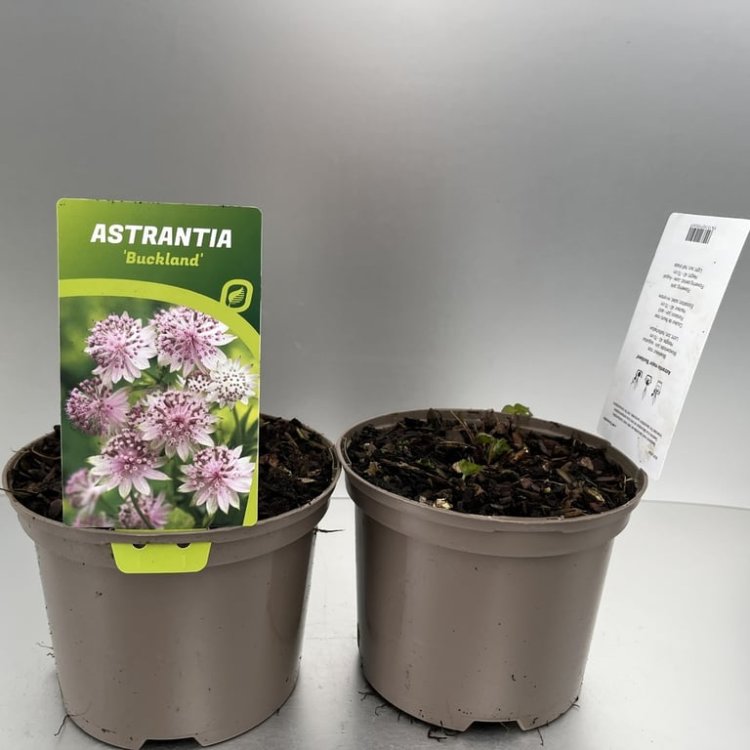
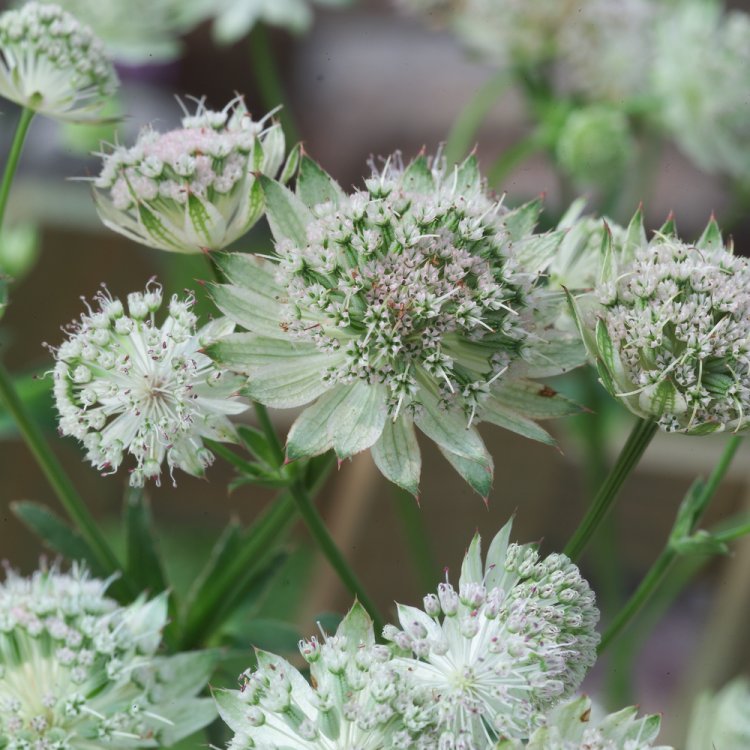
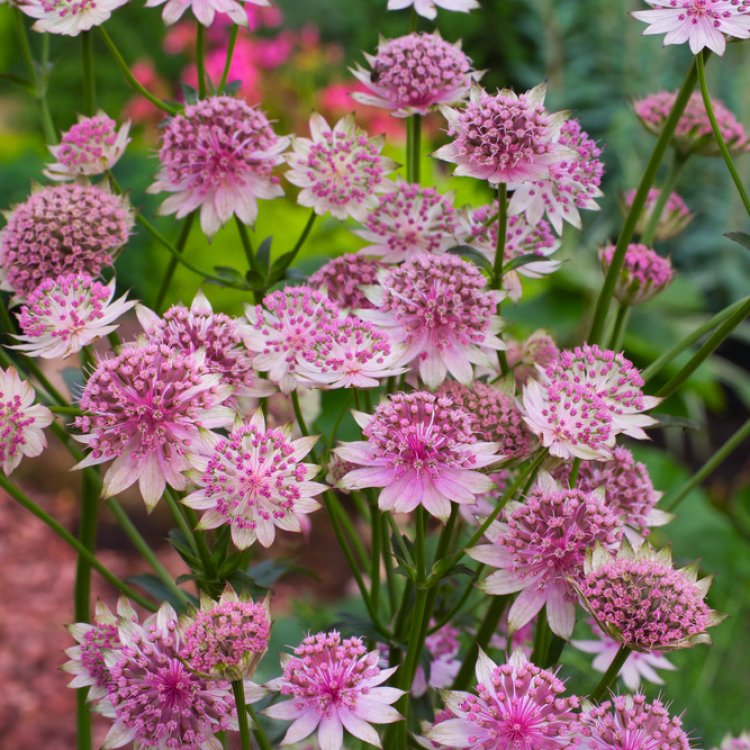
Astrantia ‘Buckland’ is a charming Masterwort with unique pincushion flowers in soft pink, white, and green. It offers a long blooming season from June to October, attracting bees and butterflies. Perfect for borders or cut flowers.
335 in stock
Astrantia ‘Buckland’ offers unique, star-like blooms with soft colours, bringing effortless charm and a long season of interest to UK gardens.
Discover the delightful Astrantia ‘Buckland’, an elegant herbaceous perennial that enhances any garden space. This popular Masterwort variety showcases intricate, pincushion-like flowers. Its distinctive appearance makes it a favourite among gardeners seeking beauty and versatility. Astrantia ‘Buckland’ provides a long-lasting floral display, adding consistent colour from early summer into autumn. It is simple to grow and attracts beneficial pollinators, making it an excellent choice for a vibrant, wildlife-friendly garden.
The name Astrantia originates from the Greek word ‘aster’, meaning star, perfectly describing its unique flower heads. Gardeners often call these ‘pincushion flowers’ due to their central dome of tiny florets, surrounded by papery, star-like bracts. This gives them a distinctive look. ‘Buckland’ is a specific cultivar, renowned for its lovely soft pink and white tones, often with a hint of green. This Masterwort cultivar brings a gentle yet striking presence to the garden.
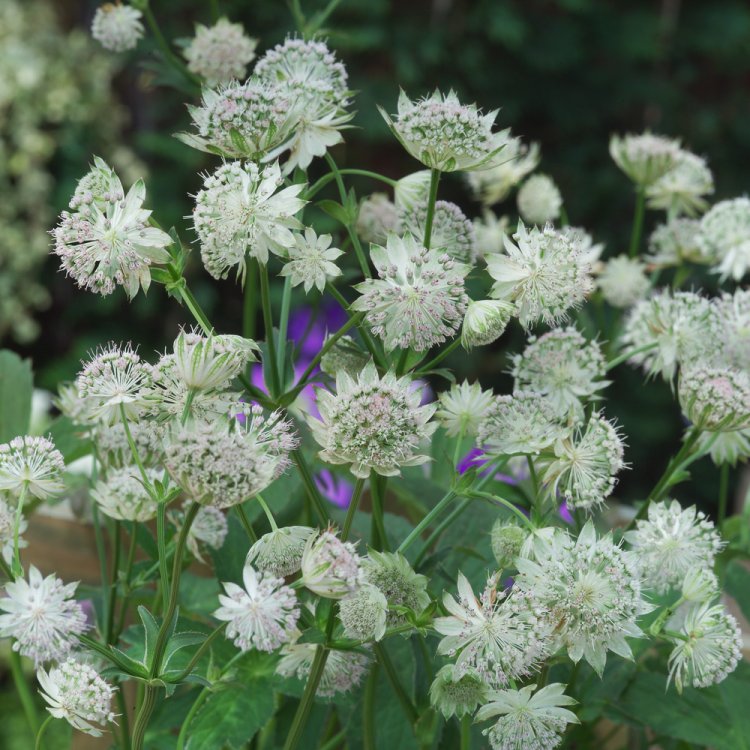
Astrantia ‘Buckland’ produces attractive, deeply lobed, palmate foliage in a rich green colour. These leaves form a neat basal clump, providing excellent ground cover. Their fresh appearance maintains interest throughout the growing season. From early summer, typically June, through to September or even October in the UK, the plant sends up sturdy stems. Each stem carries multiple flower heads. The blooms feature delicate shades of white, blush pink, and pale green, creating a subtly beautiful display. Their intricate structure adds fine texture to planting schemes.
This versatile plant thrives in various garden settings. It particularly suits cottage gardens and informal borders, where its gentle colours blend seamlessly. Plant Astrantia ‘Buckland’ in drifts for a naturalised effect or use it to edge pathways. It also performs well in dappled shade under trees or at the woodland edge. Its upright habit and long vase life make it a superb cut flower. Bring its unique beauty indoors to enjoy its charm up close.
Astrantia ‘Buckland’ is a fantastic plant for attracting beneficial insects to your garden. Bees and butterflies are drawn to its nectar-rich flowers, actively contributing to local biodiversity. This makes it an essential addition for wildlife enthusiasts, especially in UK gardens. Maintaining this Masterwort is straightforward. Deadhead spent blooms throughout the summer to encourage more flowers and extend its display. Generally, Astrantia ‘Buckland’ does not require complex pruning, making it a low-fuss option for busy gardeners.
Very hardy. Tolerates temperatures typical of a continental winter.
Astrantia 'Buckland' thrives with consistently moist, well-drained soil. Water regularly during dry periods, especially in its first year. Apply a balanced, general-purpose fertiliser in spring to support robust growth and flowering. Deadhead spent blooms throughout the summer to encourage a continuous display and prevent unwanted self-seeding. In late autumn or early spring, cut back old foliage to the ground. This plant is generally healthy and shows good resistance to most common pests and diseases.