£2.23 – £3.65Price range: £2.23 through £3.65
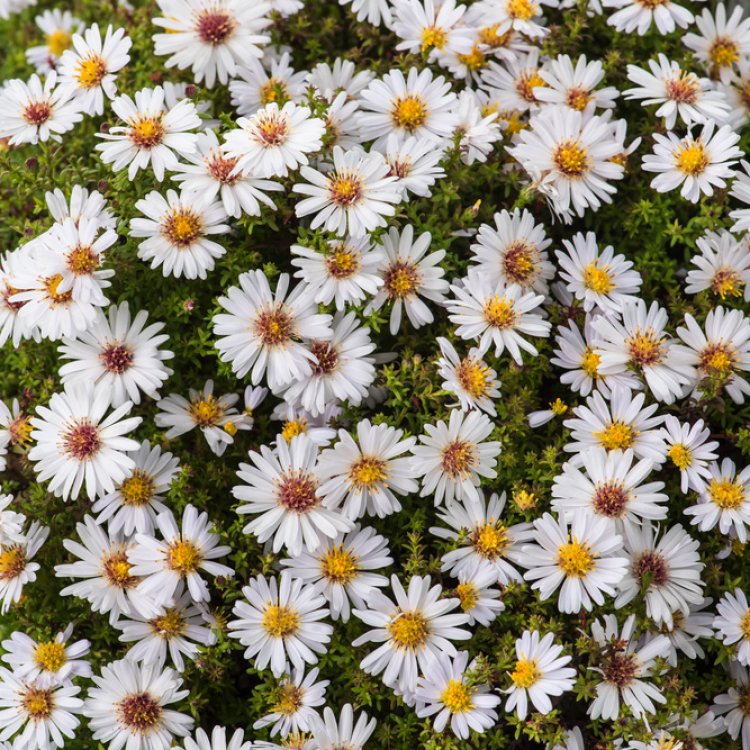
Aster (D) ‘Schneekissen’ is a delightful Michaelmas Daisy, forming a compact cushion of pure white, daisy-like flowers from late summer into autumn. This low-growing perennial brightens borders, attracts pollinators, and thrives in UK gardens, offering reliable, late-season charm.
1296 in stock
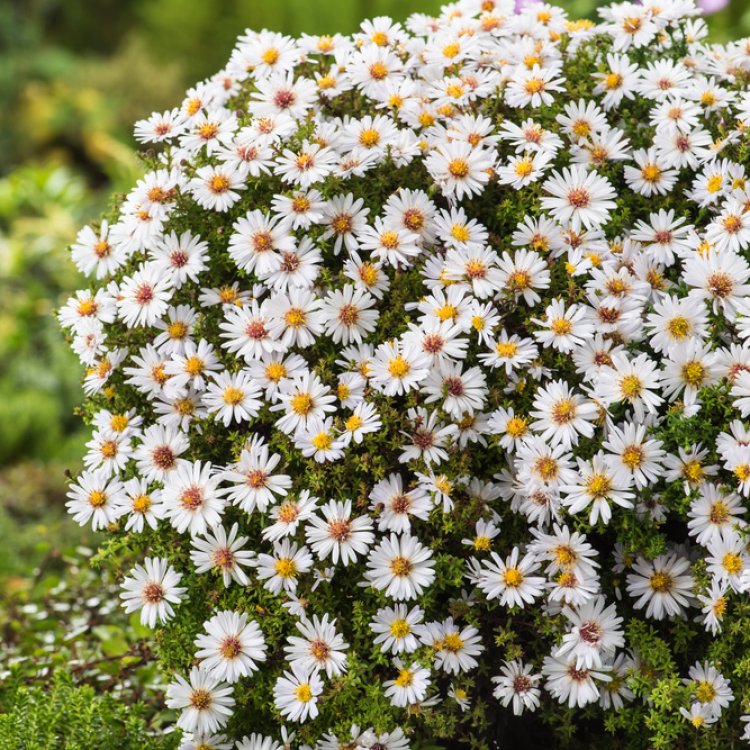
Aster (D) ‘Schneekissen’ offers a magnificent display of pure white, daisy-like flowers, creating a stunning late-season spectacle in any UK garden border.
Aster (D) ‘Schneekissen’ is a charming and robust perennial. Many gardeners know it as Michaelmas Daisy ‘Schneekissen’. This plant adds fresh colour to autumn landscapes. It forms a low, spreading mound. This makes it perfect for softening garden edges or filling gaps. Its abundant blooms bring joy. Gardeners appreciate its reliable performance. It also supports a rich tapestry of life. This makes it a valuable addition to UK outdoor spaces. Its name, meaning ‘snow cushion’, perfectly describes its pristine appearance.
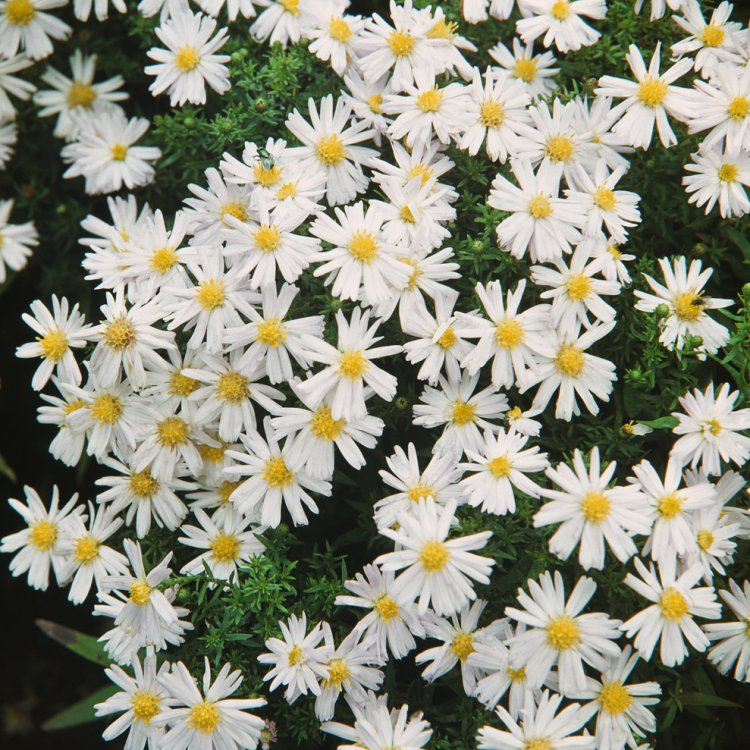
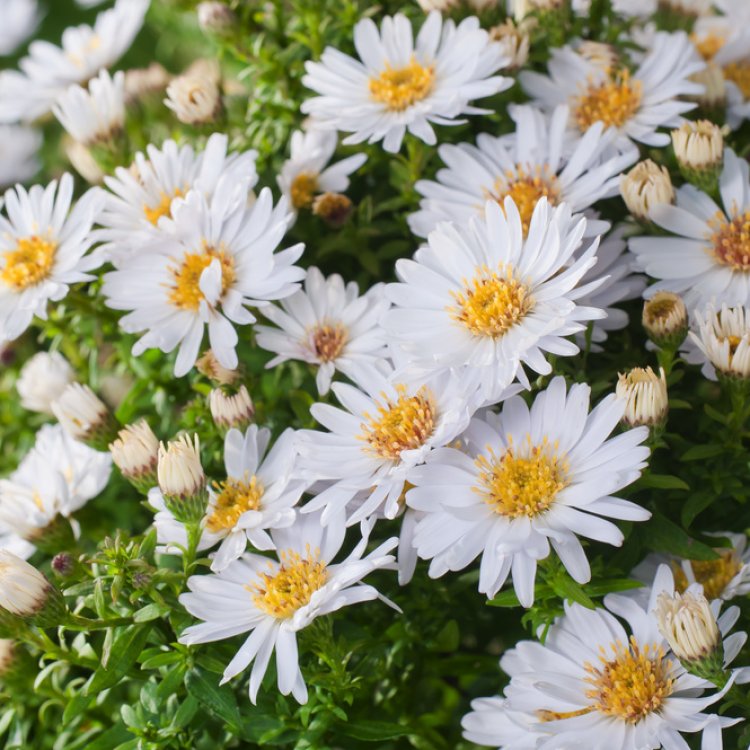
Aster (D) ‘Schneekissen’ belongs to the Aster dumosus group. This group is famous for its compact habit and prolific flowering. This specific cultivar stands out. It produces pristine white blossoms. The name ‘Schneekissen’ translates from German as ‘snow cushion’. This perfectly captures its look. It forms a low, mounded plant. White flowers cover it like a blanket of snow. It returns reliably each year. This brings continuous joy to garden spaces. Sturdy stems carry numerous small, yet impactful, daisy-like flowers. Each bloom features bright yellow central discs. These contrast beautifully with the crisp white petals. The flowers create a dazzling effect. This happens from late summer, usually August, through to October. The plant’s foliage consists of small, dark green leaves. These form a dense, healthy base. This provides an attractive look even before the blooms appear. Indeed, the neat mound of leaves helps suppress weeds effectively.
This versatile Michaelmas Daisy thrives in many garden settings. It works well at the front of mixed borders. Here, it creates a clear, bright edge. Consider planting Aster (D) ‘Schneekissen’ in rock gardens. Its compact form complements stone features there. Its cushion-like growth also makes it an excellent choice for containers. It works well in patio pots too. Its late-season blooms extend the display past summer. Gardeners often use it to line paths. It can also define planting areas. Furthermore, its dense habit suppresses weeds. This makes it a practical option for low-maintenance spots. Always choose well-drained soil. A position in full sun or partial sun gives the best results.
Aster (D) ‘Schneekissen’ supports garden wildlife. Its abundant, nectar-rich flowers attract bees and butterflies. These crucial pollinators gather food late in the season. Observing this vibrant activity around your ‘snow cushion’ brings great satisfaction. This Aster needs minimal care. You can deadhead spent flowers for a tidy look. This may also encourage more blooms. Cut back the entire plant in late autumn or early spring. This promotes fresh growth. This simple practice keeps the plant healthy. It ensures vigour for the next flowering season. Generally, Aster (D) ‘Schneekissen’ remains a robust perennial. It also causes few troubles.
Hardy in the harshest UK conditions and below. Suitable for mountain regions.
Keep the soil consistently moist, especially during dry spells, particularly in the first year after planting. Apply a balanced general-purpose fertiliser in early spring to encourage vigorous growth and abundant flowering. Deadhead spent flowers regularly to maintain a tidy appearance and potentially encourage further blooms. In late autumn or early spring, cut back the entire plant to ground level to promote healthy new growth for the coming season. Ensure good air circulation around the plant to minimise the risk of powdery mildew, which can sometimes affect asters.