£3.55 – £4.25Price range: £3.55 through £4.25
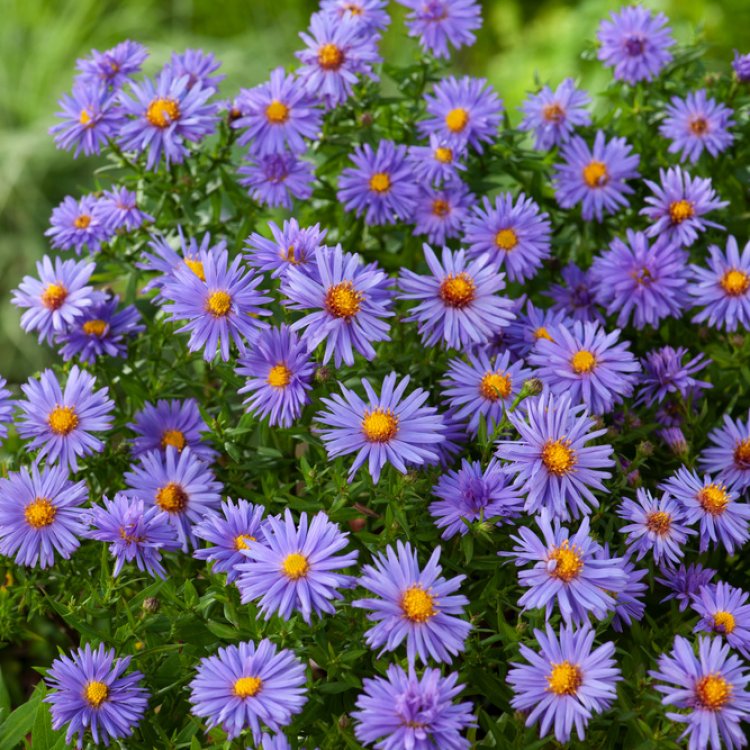
Aster (D) ‘Prof. Anton Kippenberg’ is a stunning Michaelmas Daisy, producing vibrant violet-blue flowers with yellow centres from August to October. This compact perennial attracts bees and butterflies, bringing vital late-season colour to any UK garden.
2252 in stock
Discover Aster (D) ‘Prof. Anton Kippenberg’, a dazzling perennial that brings a burst of violet-blue colour to UK gardens as summer fades into autumn.
As the gardening year progresses, many plants begin to wane, yet Aster (D) ‘Prof. Anton Kippenberg’ truly steps into its prime. This exceptional Michaelmas Daisy fills your garden with vibrant hues, providing essential late-season interest. It is a reliable performer, thus ensuring a spectacular display when other flowers are past their best. Furthermore, its appealing blooms attract beneficial pollinators, making it a valuable addition to any wildlife-friendly space.
This specific cultivar, ‘Prof. Anton Kippenberg’, is a well-regarded New York Aster. Gardeners widely appreciate its robust nature and plentiful blooms. The name ‘Aster’ derives from the Greek word for ‘star’, aptly describing its star-like flowers. Moreover, these plants are often known as Michaelmas Daisies because they typically flower around the Christian festival of Michaelmas, which falls in late September. The cultivar name honours a notable individual, Professor Anton Kippenberg, reflecting its distinguished qualities.
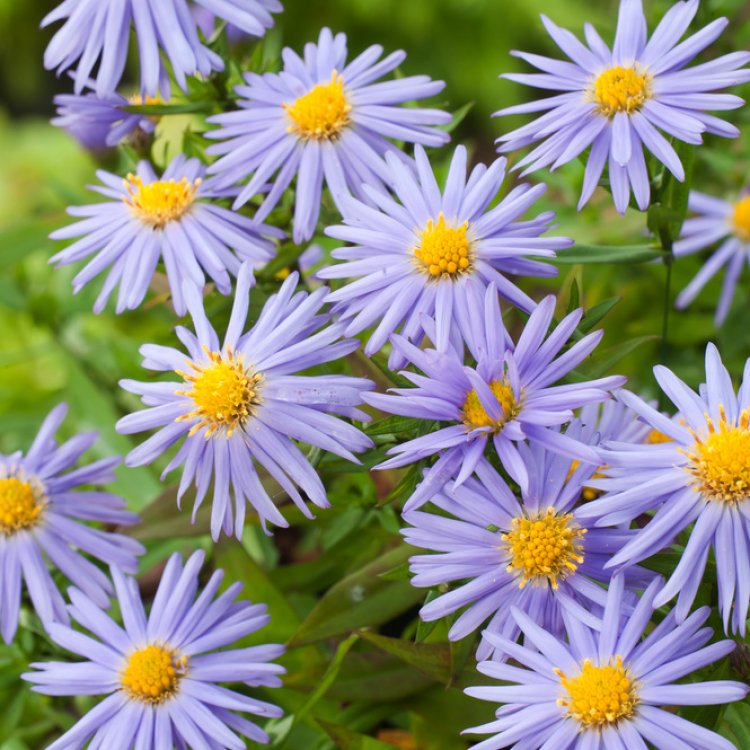
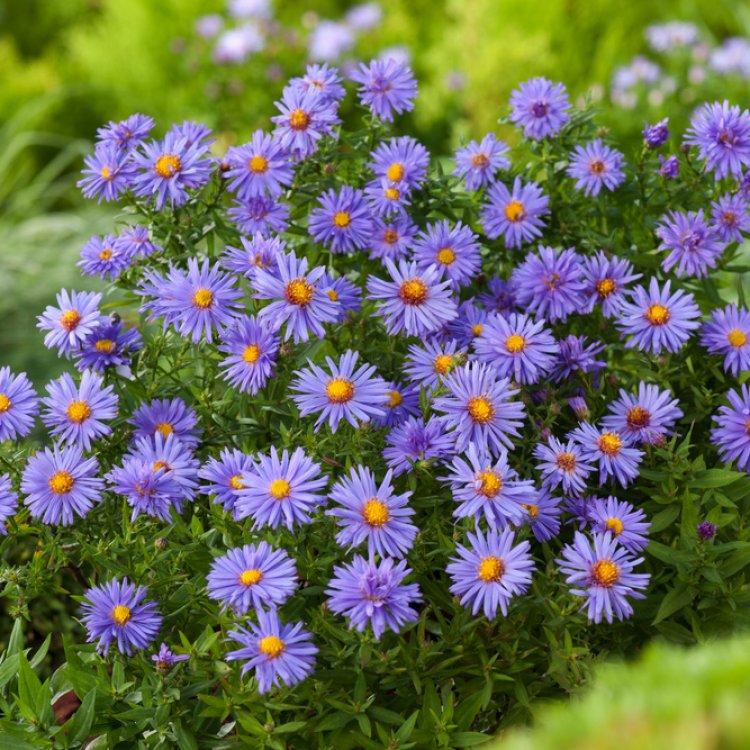
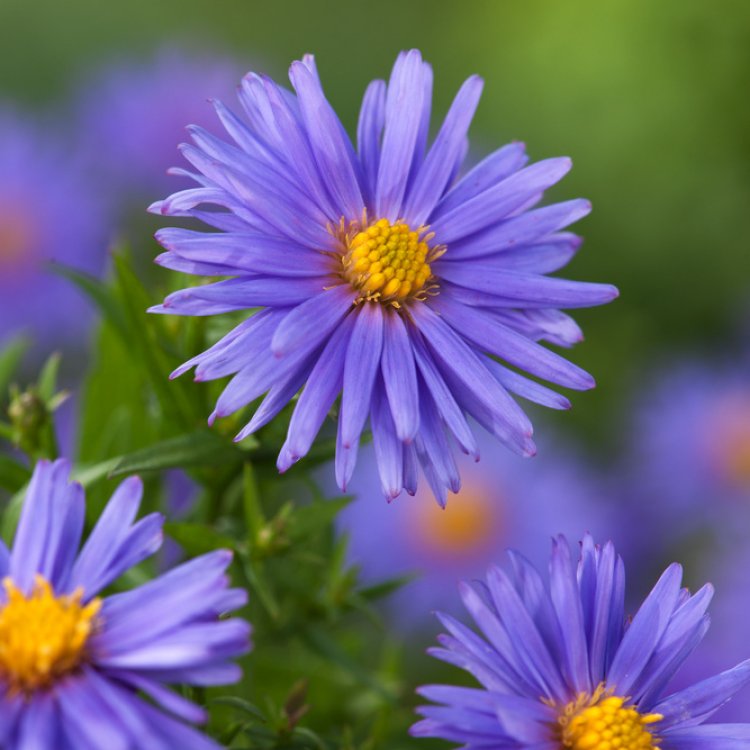
Aster (D) ‘Prof. Anton Kippenberg’ showcases a profusion of semi-double flowers. Each bloom presents a clear violet-blue shade, beautifully contrasted by a prominent yellow centre. These cheerful flowers appear in vast numbers, completely covering the plant in late summer and autumn. The dark green foliage creates a perfect backdrop for the vivid floral display. This creates a striking visual impact in any garden setting.
This Aster performs best in full sun or partial sun, thriving in a spot with good air circulation. Plant it in well-drained, fertile soil for optimal growth. It flourishes in various soil types, including clay, loam, sandy, and chalky conditions. Gardeners often use Aster (D) ‘Prof. Anton Kippenberg’ to edge borders, fill gaps in perennial beds, or brighten cottage garden schemes. Its compact habit also makes it suitable for container planting. After flowering, simply cut back the spent stems to maintain tidiness. Dividing older clumps every few years will help to rejuvenate the plant, ensuring continued vigour and abundant blooms.
Significantly, this vibrant perennial provides a crucial food source for pollinators during late summer and autumn. Bees and butterflies eagerly visit the abundant flowers of Aster (D) ‘Prof. Anton Kippenberg’, collecting nectar and pollen. Therefore, planting this Aster actively contributes to supporting local biodiversity. It helps maintain a healthy ecosystem in your garden, especially as other nectar sources become scarce.
Hardy in the harshest UK conditions and below. Suitable for mountain regions.
Provide regular watering, especially during dry spells, but ensure good drainage to prevent waterlogging. Apply a general-purpose fertiliser in spring to support healthy growth. Deadhead spent flowers to encourage further blooming and maintain a tidy appearance. Cut back all stems to ground level either after flowering or in early spring before new growth begins. To maintain vigour and abundant flowers, divide established clumps every three to five years. Ensure good air circulation around the plant to help prevent powdery mildew.