£4.86 – £5.58Price range: £4.86 through £5.58
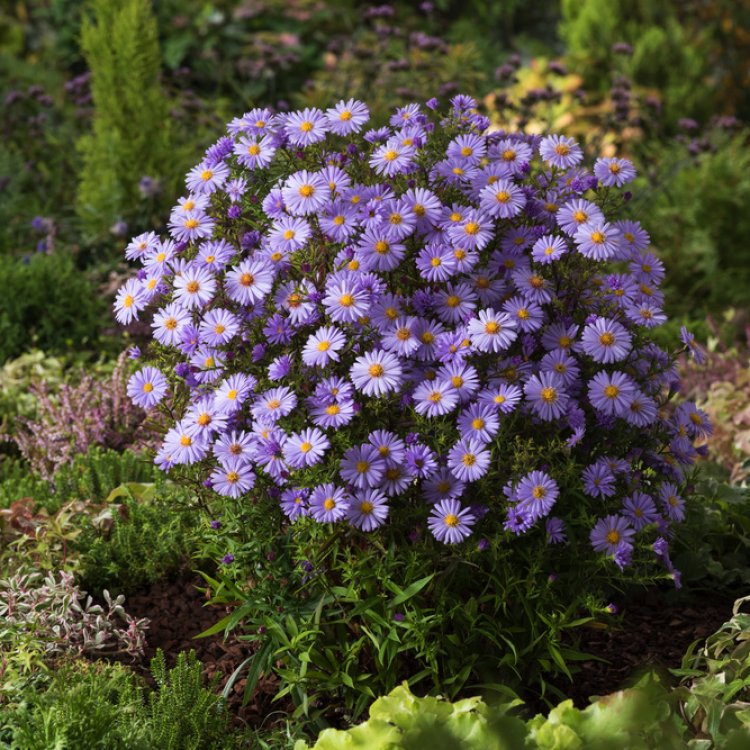
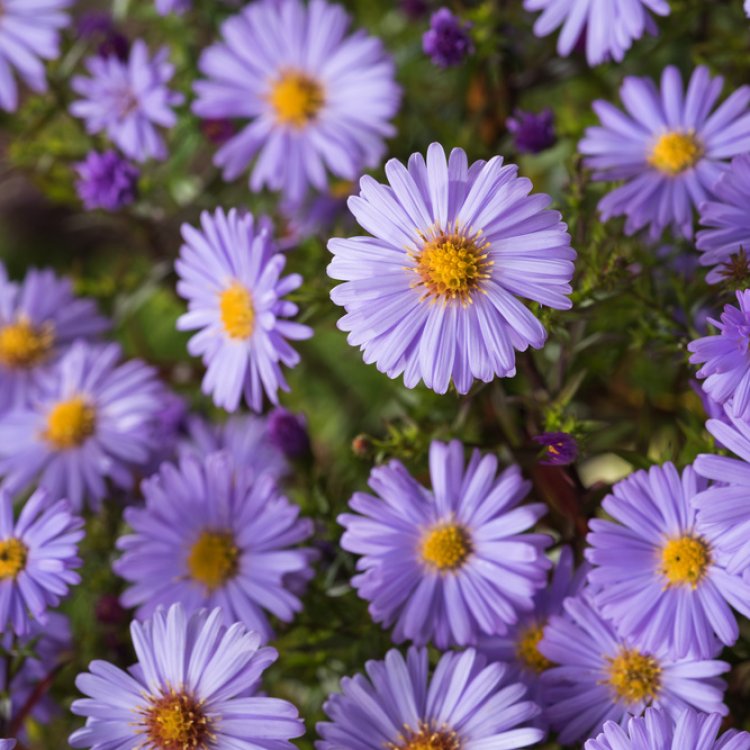
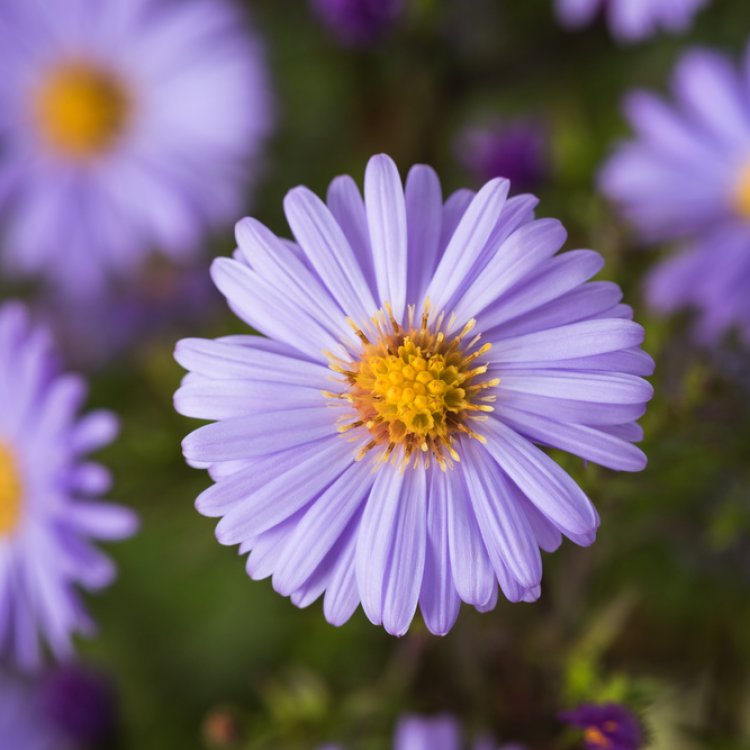
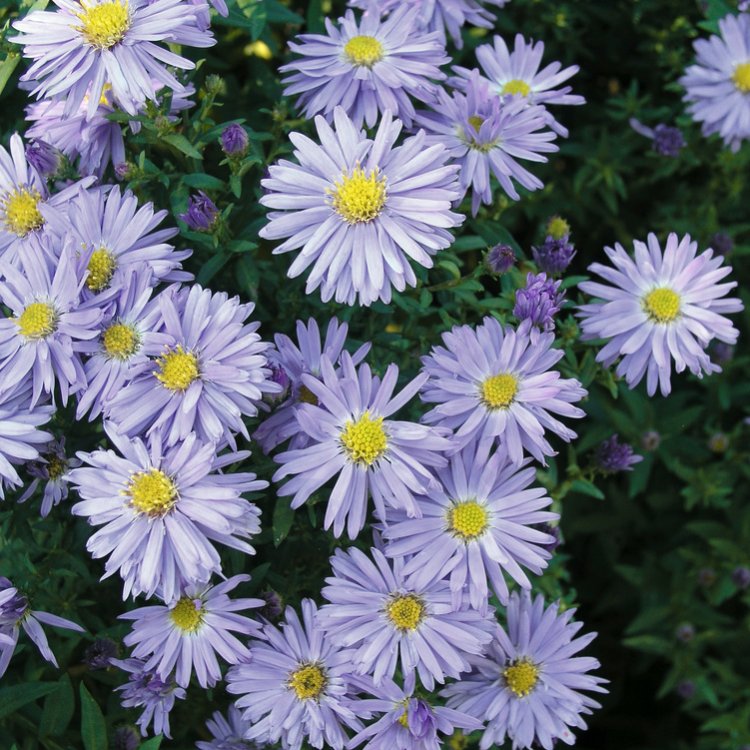
Aster (D) ‘Lady in Blue’ is a captivating Michaelmas Daisy, gracing UK gardens with vibrant blue, star-like flowers from late summer into autumn. This delightful perennial attracts bees and butterflies, providing essential late-season colour and charm to borders and pots.
1770 in stock
Discover Aster (D) ‘Lady in Blue’, a magnificent perennial gracing British gardens with abundant, star-like, vibrant blue flowers throughout late summer and autumn.
This delightful Aster brings invaluable late-season colour to your garden when many plants begin to fade. Often known as Michaelmas Daisy, ‘Lady in Blue’ offers a profusion of bright blooms. Its compact habit makes it a versatile choice, attracting beneficial pollinators. This easy-care plant promises lasting beauty without significant effort.
Aster (D) ‘Lady in Blue’ is a captivating perennial, cherished for its late-season display. The name ‘Aster’ comes from the Greek for ‘star’, describing its charming flowers. Gardeners often call them Michaelmas Daisies, a nod to Michaelmas Day (September 29th) when many varieties peak. ‘Lady in Blue’ perfectly captures the rich blue shade of its petals, adding a sophisticated splash of colour.
From late August right through to November, Aster (D) ‘Lady in Blue’ produces an astonishing array of small, daisy-like flowers. Each bloom features intensely blue-purple ray florets surrounding a bright, sunny yellow centre. These numerous flowers cover the plant, creating a dense cloud of colour.
Below the vibrant blooms, you will find healthy, deep green, lance-shaped leaves. They form a neat, bushy mound, giving a tidy appearance before the floral show begins. This Aster performs reliably, adding cheer when summer colours have largely departed.
Gardeners can use Aster (D) ‘Lady in Blue’ in many ways. It excels when planted in groups within herbaceous borders, where its late colour truly shines. Furthermore, it fits perfectly into informal cottage garden designs, blending well with other autumnal perennials. You might also consider it for container planting on patios or balconies.
This plant contributes significantly to garden biodiversity. Bees and butterflies eagerly visit its nectar-rich flowers, finding a crucial food source as autumn approaches. Therefore, planting ‘Lady in Blue’ helps support local wildlife populations.
Maintaining this delightful perennial is straightforward. After the first flush of flowers, consider deadheading to encourage new blooms and keep the plant looking tidy. This simple task often extends the flowering period even further.
In late autumn, once flowering concludes, or early spring before new growth, cut back faded stems to ground level. This maintains plant vigour. Gardeners sometimes use the ‘Chelsea Chop’ in late May or early June; cutting back stems by one-third results in a bushier plant with a later, more prolific, display.
Hardy in all of the UK and northern Europe. Suitable for exposed sites.
Position: Plant in full sun to partial shade for best flowering. Soil: Thrives in well-drained soil; improve heavy clay with organic matter. Watering: Water regularly during dry spells, especially when establishing. Feeding: A general-purpose fertiliser in spring can promote strong growth. Pruning: Deadhead spent flowers to encourage more blooms and maintain tidiness. Cut back all growth to ground level in late autumn or early spring. Support: Taller varieties may benefit from staking, especially in exposed sites. Pests/Diseases: Generally robust, but watch for powdery mildew in humid conditions. Ensure good air circulation.