£2.52 – £3.94Price range: £2.52 through £3.94
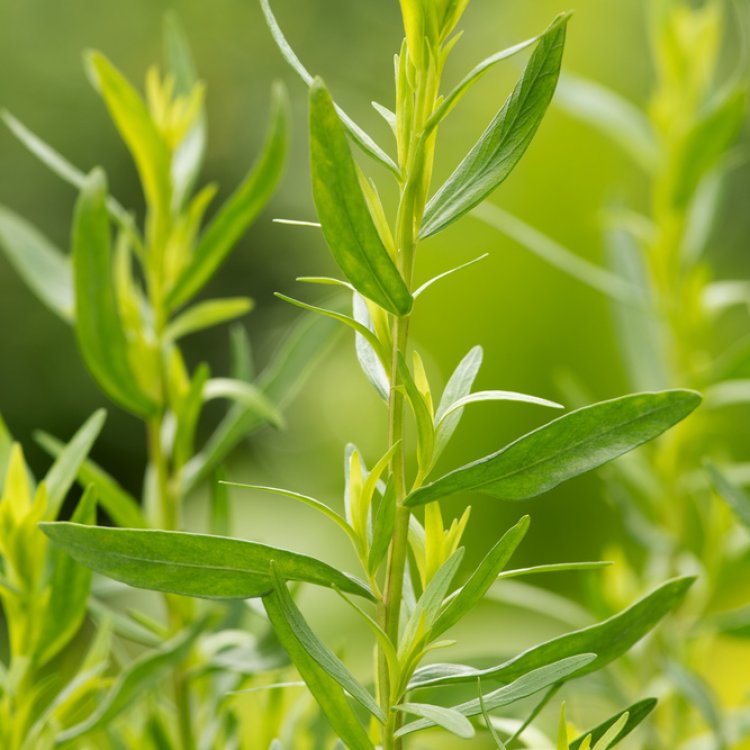
Artemisia dracunculus, or French Tarragon, is an indispensable culinary herb for UK gardens. It provides a unique anise-like flavour from its aromatic, glossy green leaves, perfect for cooking. This easy-to-grow plant thrives in sunny spots.
82 in stock
Discover Artemisia dracunculus, commonly known as French Tarragon, a highly prized herb renowned for its distinctive anise-like flavour and elegant foliage.
Artemisia dracunculus brings a subtle, yet sophisticated, culinary essence to any kitchen garden in the UK. This perennial herb forms attractive, bushy clumps, making it a wonderful addition to borders or containers. Its slender, vibrant green leaves offer a unique aromatic quality. Indeed, many gardeners value its easy-going nature and versatility. The plant’s name, ‘Artemisia’, honours Artemis, the Greek goddess of the hunt. Meanwhile, ‘dracunculus’ means ‘little dragon’ in Latin, possibly describing its serpentine roots or leaf shape.
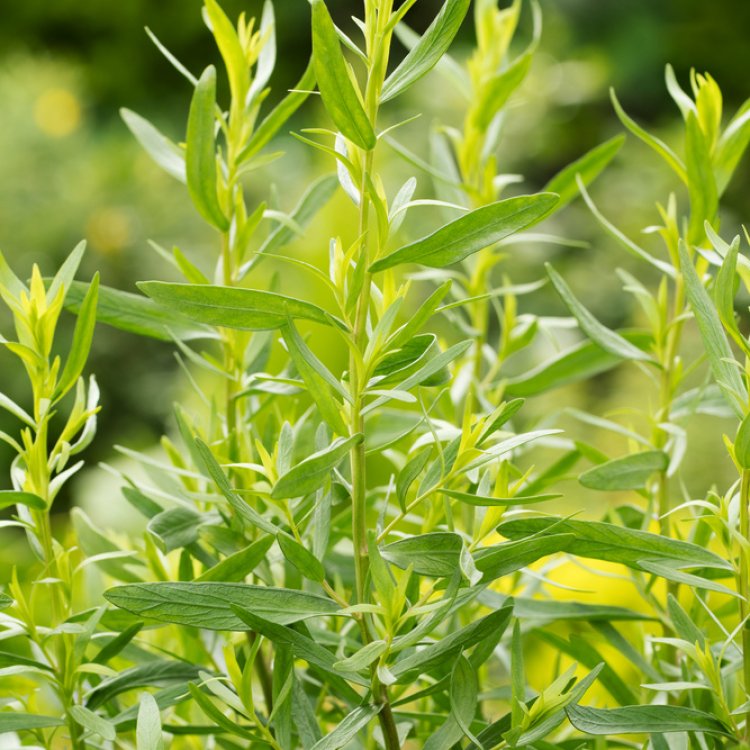
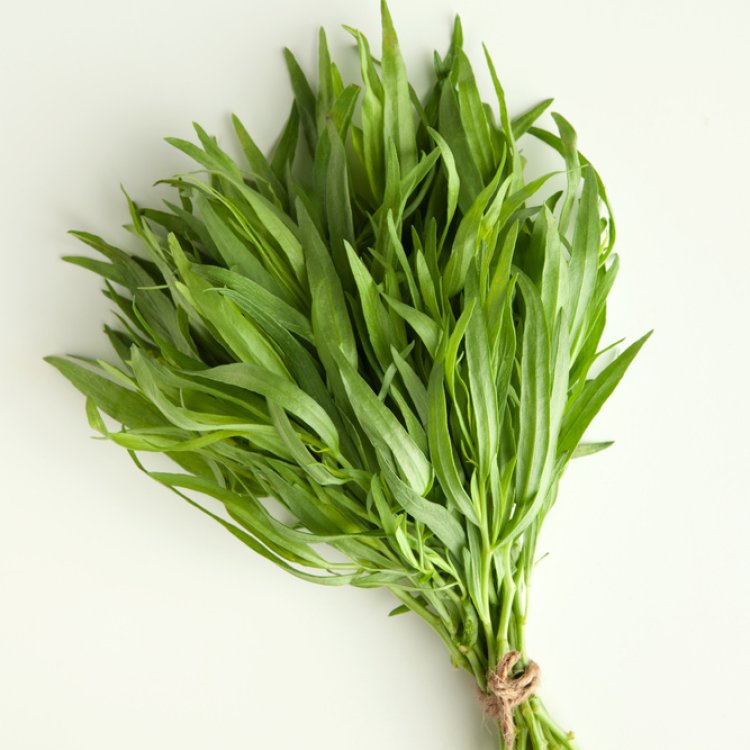
Artemisia dracunculus, widely known as Tarragon, is an indispensable culinary herb. Gardeners across the UK truly appreciate its delicate flavour. This plant typically grows to form a compact, bushy mound. Its narrow, lance-shaped leaves are a bright, glossy green colour.
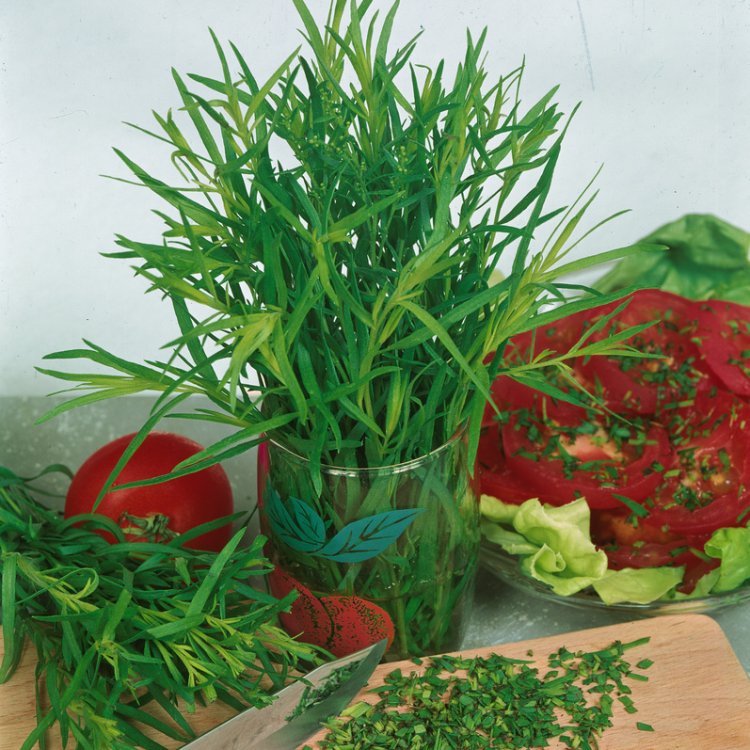
Moreover, when you gently brush the foliage, it releases a delightful fragrance. This aroma is often described as a subtle mix of anise and liquorice. Consequently, it is a favourite for flavouring poultry, fish, and sauces like béarnaise.
The primary appeal of Artemisia dracunculus lies in its aromatic leaves. These provide visual interest throughout the growing season. While it can produce small, greenish-yellow flowers in late summer, these are often inconspicuous. In fact, many cultivated French Tarragon plants rarely flower.
Therefore, gardeners usually focus on harvesting the tender, new shoots. These shoots offer the best flavour for cooking. The plant’s vibrant green leaves remain a garden highlight from spring until the first frosts.
Artemisia dracunculus thrives in a sunny spot within UK gardens. It makes an excellent choice for edging a raised herb bed. Alternatively, it can fill gaps in a cottage garden border. Many choose to grow it in pots on a patio. This ensures easy access for culinary needs.
Because it forms neat clumps, it rarely becomes invasive. This plant also attracts some beneficial insects to the garden. Although its flowers are small, they can offer a nectar source for tiny bees and other pollinators. Regular harvesting encourages fresh growth. This maintains a tidy and productive plant. In late autumn, its foliage naturally dies back. It reappears vigorously each spring.
Hardy in all of the UK and northern Europe. Suitable for exposed sites.
Artemisia dracunculus thrives in a sunny location with well-drained soil. Water regularly after planting until established, then reduce frequency, allowing the soil to dry slightly between waterings. Avoid waterlogging, especially in winter. Mulch in spring with compost to provide nutrients. Harvest leaves regularly by pinching off the tips; this encourages bushier growth and delays flowering, preserving the best flavour. Cut back faded flower stems (if present) and tired foliage in late autumn or early spring to encourage vigorous new growth. Divide established clumps every 3-4 years in spring to maintain plant vigour. Protect plants in very cold regions or during harsh winters by applying a thick mulch.