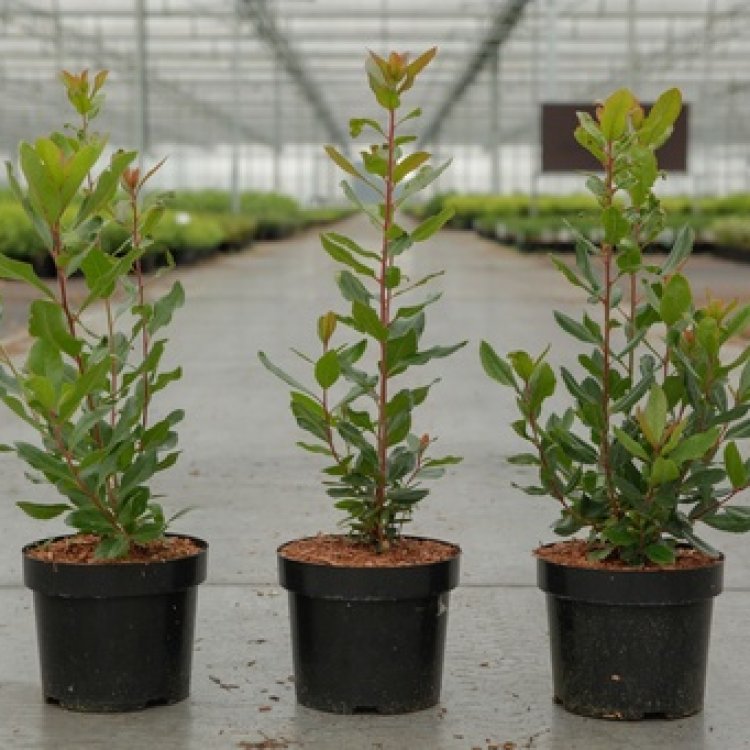
£24.82 – £25.99Price range: £24.82 through £25.99
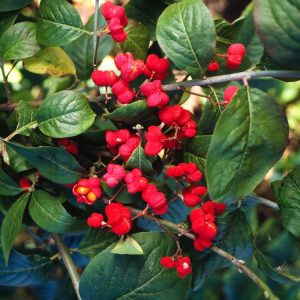
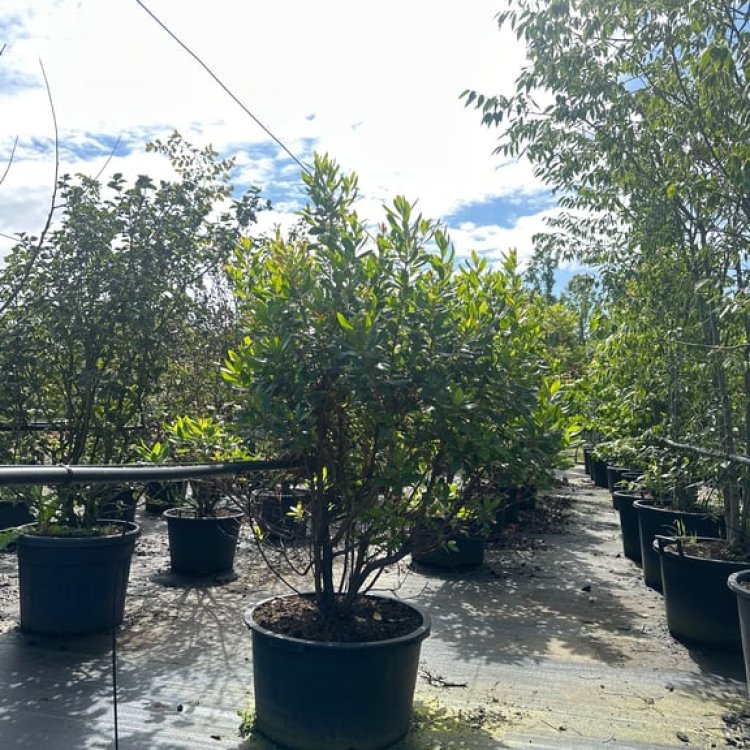
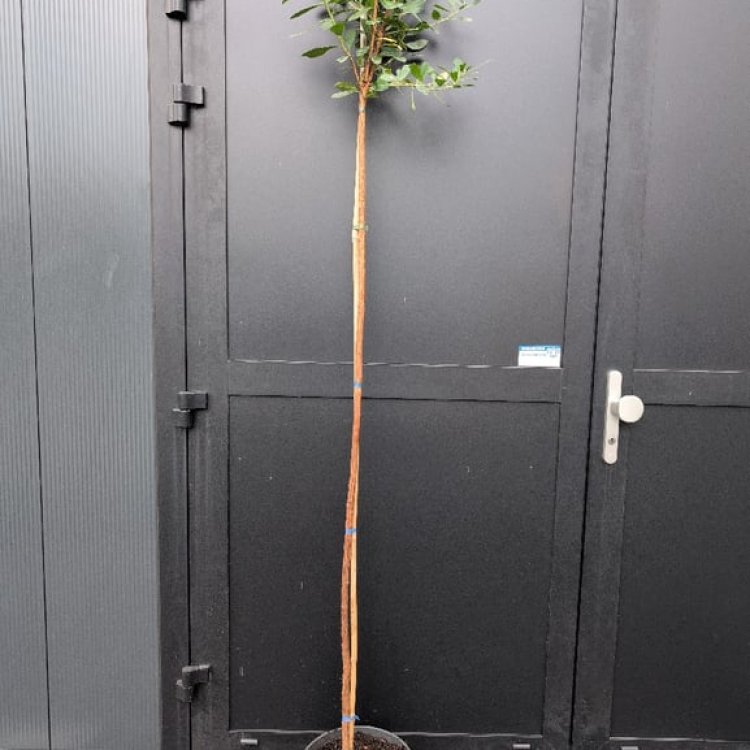
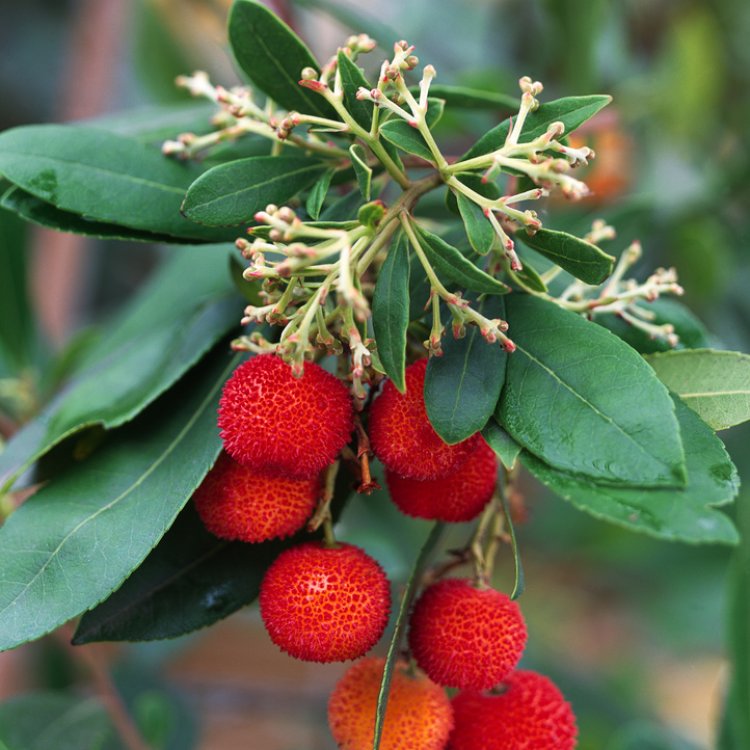
Arbutus unedo, the Strawberry Tree, is a unique evergreen. It offers year-round interest with autumn flowers and vibrant red, edible, strawberry-like fruits. Perfect for UK gardens, it provides colour and attracts wildlife.
8 in stock
Discover the enchanting Arbutus unedo, a unique evergreen shrub or small tree cherished for its year-round appeal and delightful autumnal fruits in UK gardens.
The Arbutus unedo, commonly known as the Strawberry Tree, brings exotic charm to any outdoor space. It thrives even in cooler British climates. This adaptable plant offers continuous interest with its striking foliage, delicate flowers, and vibrant, edible fruits.
Gardeners value its resilience. It provides colour and texture when many other plants fade. Plant it as a specimen or in a mixed border. It then creates a strong focal point through every season.
The botanical name, Arbutus unedo, holds a fascinating story. “Arbutus” is the ancient Latin name for this tree. “Unedo” comes from the Latin “unum edo,” meaning “I eat one.” This suggests one fruit is enough. Their taste is somewhat mild and often floury.
This plant is sometimes called the Killarney Strawberry Tree. This name acknowledges its naturalised presence in parts of Ireland. It grows as a slow to average evergreen. The lush, dark green leaves are glossy and leathery. They provide a dense canopy all year long.
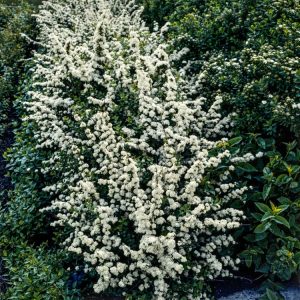
One captivating aspect of Arbutus unedo is its simultaneous display of flowers and fruits. Dainty, bell-shaped flowers, often white or pinkish, appear from October through to December. These blossoms attract essential pollinators, like bees, when few other nectar sources exist.
Following these lovely blooms, fruits from the previous year begin to ripen. They transform from green to yellow, finally turning a vibrant red. These round, textured berries resemble strawberries. Birds enjoy these sweet fruits. This adds to your garden’s biodiversity.
Gardeners use the Strawberry Tree in many different ways. It makes an excellent specimen plant. Its unique form and multi-seasonal interest stand out. Furthermore, you can plant it to form an attractive screen or hedge. This provides privacy and structure.
Arbutus unedo also thrives in woodland garden settings. It even grows well in large containers when young. This plant generally needs minimal pruning. Remove any dead, damaged, or crossing branches to maintain its health and shape.
The best time for light pruning is usually in late winter or early spring. This happens just before new growth begins. Always use clean, sharp tools for the best results. Keep the plant tidy for its aesthetic appeal.
Hardy across most of the UK except particularly exposed or cold regions.
Arbutus unedo generally requires minimal care once established. Water regularly during dry spells, especially in its first few years, to ensure good root development. Apply a mulch of organic matter, such as well-rotted compost, around the base in spring; this helps retain soil moisture and suppresses weeds. Prune after flowering and fruiting in late winter or early spring. Remove any dead, diseased, or crossing branches. Light shaping may also be done at this time to maintain desired size and form. Protect young plants from severe frost in very cold areas.