£4.18 – £4.90Price range: £4.18 through £4.90
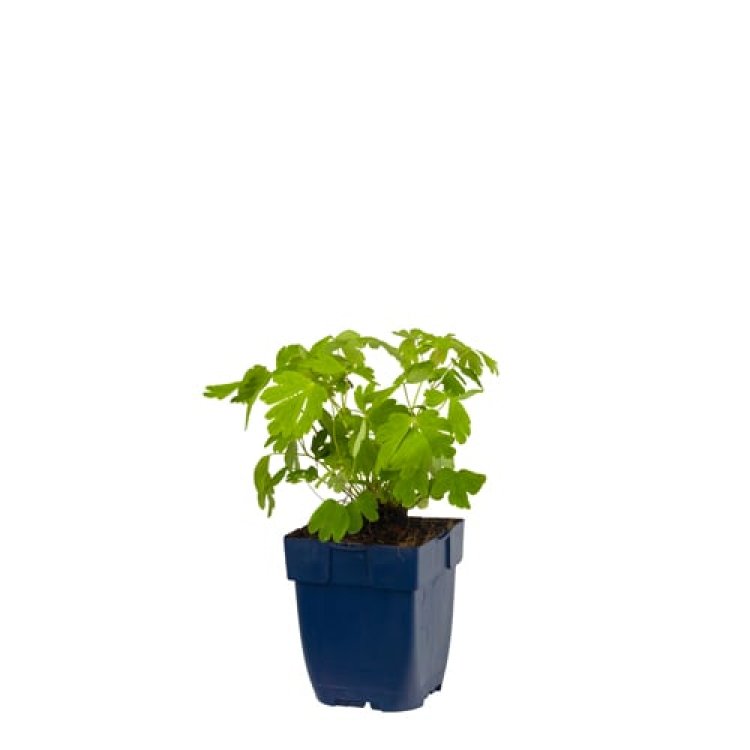
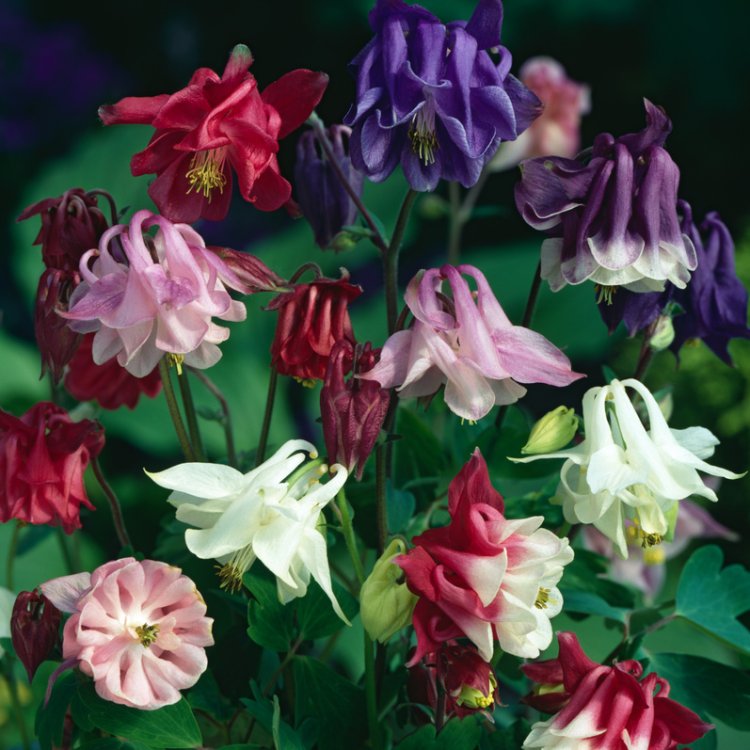
Aquilegia ‘Biedermeier’, also known as Columbine, offers exquisite bicoloured flowers in soft shades of white, pink, and purple. This charming perennial brings delicate beauty to cottage gardens and borders, attracting bees and butterflies with its unique spurred blooms.
4424 in stock
Discover the charming beauty of Aquilegia ‘Biedermeier’, a delightful cottage garden favourite that brings delicate elegance to UK borders.
Aquilegia ‘Biedermeier’, often known as Columbine or Granny’s Bonnets, is a truly captivating perennial. This variety showcases exquisite bicoloured flowers, creating a unique display in late spring and early summer. Gardeners cherish it for its distinctive bell-shaped blooms and attractive, fern-like foliage. It truly enhances informal and formal garden settings alike, establishing itself with grace.
This particular cultivar, ‘Biedermeier’, belongs to the Aquilegia genus, which comprises around 60 to 70 species of herbaceous perennials. Many are native to woodlands and meadows across the Northern Hemisphere. The name ‘Aquilegia’ derives from the Latin word ‘aquila’, meaning eagle, due to the flower’s spurs resembling an eagle’s talons. Furthermore, ‘Biedermeier’ takes its name from the early 19th-century German and Austrian artistic style. This style valued simplicity, domesticity, and elegance, characteristics perfectly embodied by this delightful plant. It represents a classic garden charm.
Aquilegia ‘Biedermeier’ boasts truly beautiful flowers. Each bloom features a delightful mix of two colours, typically white combined with soft pinks or purples. These distinctive flowers have both inner petals and outer sepals, creating a full, ruffled appearance. Notably, each flower also displays characteristic spurs that extend backwards, adding to its unique shape. These blooms appear from May into July, offering a prolonged period of colour. The foliage is equally attractive. Its delicate, lobed, blue-green leaves form neat clumps, providing a lovely textural contrast in the garden.
This versatile perennial thrives in various garden settings. It is a quintessential plant for traditional cottage gardens, where its informal beauty shines. Plant Aquilegia ‘Biedermeier’ towards the front or middle of mixed borders to enjoy its charming flowers up close. It also performs wonderfully in woodland edge settings, enjoying dappled shade beneath trees. Moreover, its compact nature makes it suitable for rockeries and containers. This plant often self-seeds gently, creating naturalised drifts and filling gaps with ease, thus enhancing garden continuity.
Aquilegia ‘Biedermeier’ is a fantastic plant for supporting local wildlife. Its nectar-rich flowers are a magnet for bees, which are essential pollinators. Consequently, you will often observe busy bumblebees and other beneficial insects visiting the blooms. Butterflies also enjoy sipping from these unique flowers. By including this plant in your garden, you help create a biodiverse environment, offering vital food sources for these important creatures. It is a simple way to contribute to ecological health.
Hardy in the harshest UK conditions and below. Suitable for mountain regions.
Water regularly during dry spells, especially in its first year. Deadhead spent flowers to encourage more blooms and to prevent excessive self-seeding, unless naturalisation is desired. Divide mature clumps every few years in spring or autumn to maintain vigour.