£5.33 – £7.69Price range: £5.33 through £7.69
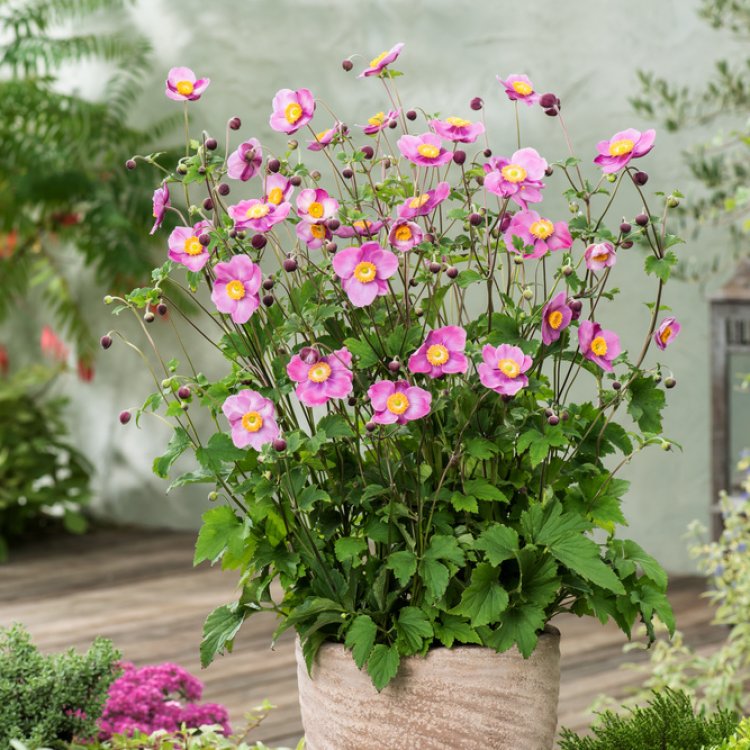
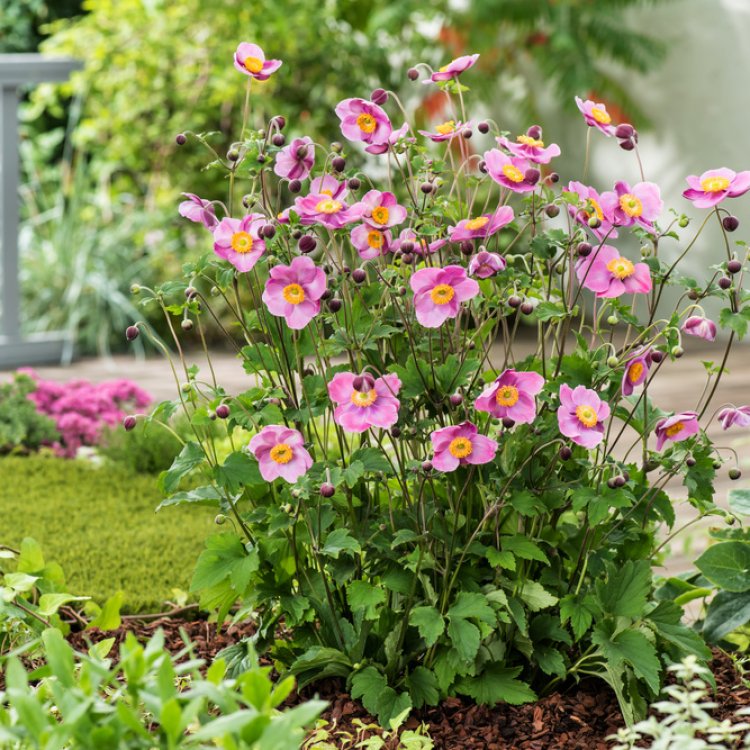
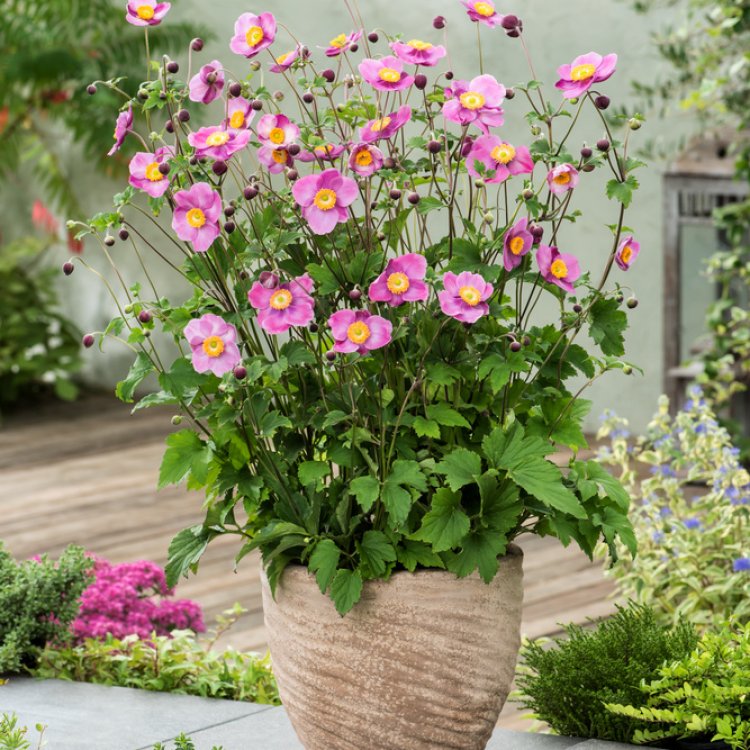
Anemone hupehensis ‘Splendens’ provides vibrant rose-pink blooms from late summer into autumn, extending garden colour. This hardy Japanese Anemone, also called Windflower, is perfect for borders and attracts pollinators, thriving in UK conditions with its elegant charm.
317 in stock
Discover Anemone hupehensis ‘Splendens’, a beautiful perennial bringing vibrant, late-season colour to UK gardens with its striking pink blooms.
Anemone hupehensis ‘Splendens’ offers a delightful spectacle as summer ends and autumn begins. This cherished herbaceous perennial, also known as Japanese Anemone or Windflower, presents many cheerful flowers. It is native to central China, specifically the Hubei province, hence its specific epithet ‘hupehensis’. Gardeners in the UK value it for its hardiness and reliable display. It forms neat clumps, then spreads to create an impressive ground cover, brightening shaded spots.
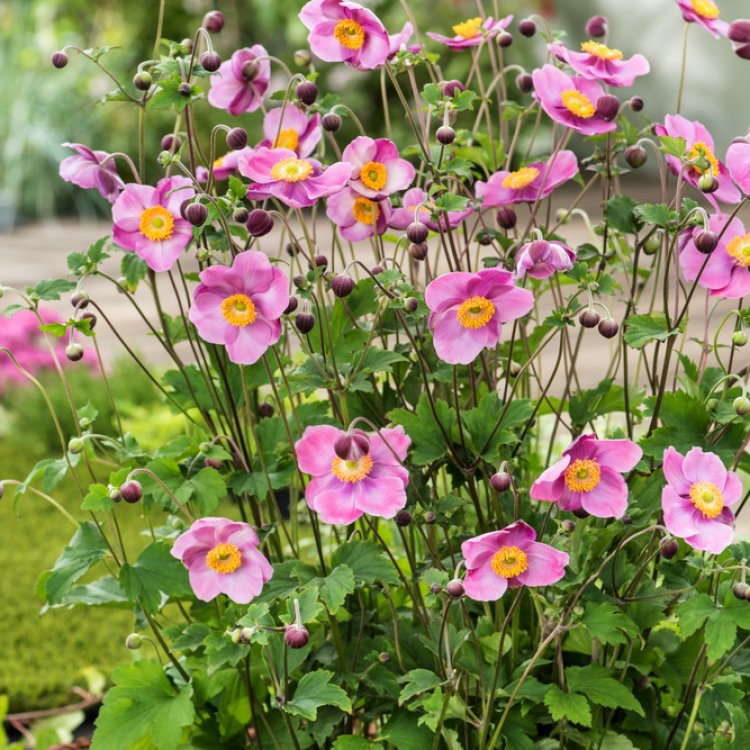
This particular cultivar truly lives up to its name, ‘Splendens’, meaning splendid. Its flowers are a deep rose-pink, almost magenta. They have a luminous golden boss of stamens at the centre. These single blooms appear on tall, slender stems. They sway gracefully in the breeze. This gives the plant its common name, Windflower.
Before the stunning flowers emerge, the plant offers rich, dark green foliage. The leaves are deeply cut and lobed, providing textural interest throughout the growing season. The plant typically grows to about 90cm tall and spreads to a similar width. It forms a lovely mound of greenery that then becomes adorned with colour.
The genus name ‘Anemone’ comes from the Greek word ‘anemos’, meaning wind. This is because the delicate petals seem to dance in the breeze. The specific epithet ‘hupehensis’ tells us its origin is the Hubei province of China. This plant has a long history. It arrived in Europe from East Asia in the 19th century. It quickly became a garden favourite.
Anemone hupehensis ‘Splendens’ is a versatile plant. It excels when planted in groups within herbaceous borders, where it adds height and late-season interest. Furthermore, it works wonderfully in woodland settings, providing a splash of colour under deciduous trees or shrubs. This cultivar is also excellent for informal, cottage-style gardens. Moreover, its open flowers are a valuable source of nectar and pollen for bees and butterflies. This supports local wildlife as autumn approaches. While generally low-maintenance, a light tidy of spent flower stems can keep it looking neat.
Hardy in all of the UK and northern Europe. Suitable for exposed sites.
Anemone hupehensis 'Splendens' generally thrives with minimal fuss. Keep the soil consistently moist, especially during dry periods, but ensure good drainage to prevent waterlogging. Apply a balanced, slow-release fertiliser in spring to support vigorous growth and abundant flowering. In late winter or early spring, cut back all old foliage to ground level to make way for new growth. While hardy, a winter mulch of well-rotted compost or leaf mould around the base can provide extra protection in very cold UK regions, especially for newly planted specimens. Divide established, overcrowded clumps every few years in spring or autumn to maintain plant vigour.