£3.02 – £4.43Price range: £3.02 through £4.43
Alisma plantago-aquatica, the Common Water Plantain, is a graceful UK native aquatic plant. It displays broad leaves and delicate white summer flowers, attracting pollinators. Perfect for pond margins and bog gardens, it enhances any water feature with natural charm.
291 in stock
Discover Alisma plantago-aquatica, the elegant Common Water Plantain, a robust aquatic perennial bringing natural beauty to UK ponds and water margins.
This charming native plant thrives in shallow water and boggy areas, making it a perfect choice for British garden ponds. It offers lovely architectural interest with its broad leaves and delicate summer flowers. Known also as Common Water Plantain, it adapts well to various aquatic settings. This plant establishes quickly, enhancing your water feature with ease.
The name Alisma plantago-aquatica truly describes this plant. ‘Alisma’ comes from an ancient Greek word for a water plant. Meanwhile, ‘plantago-aquatica’ directly means ‘water plantain-like’. This refers to its leaves, which closely resemble those of land plantains. It is also widely known across the UK as Common Water Plantain. This plant is a lovely herbaceous perennial, perfectly suited for many aquatic environments. It forms a strong basal rosette of leaves.
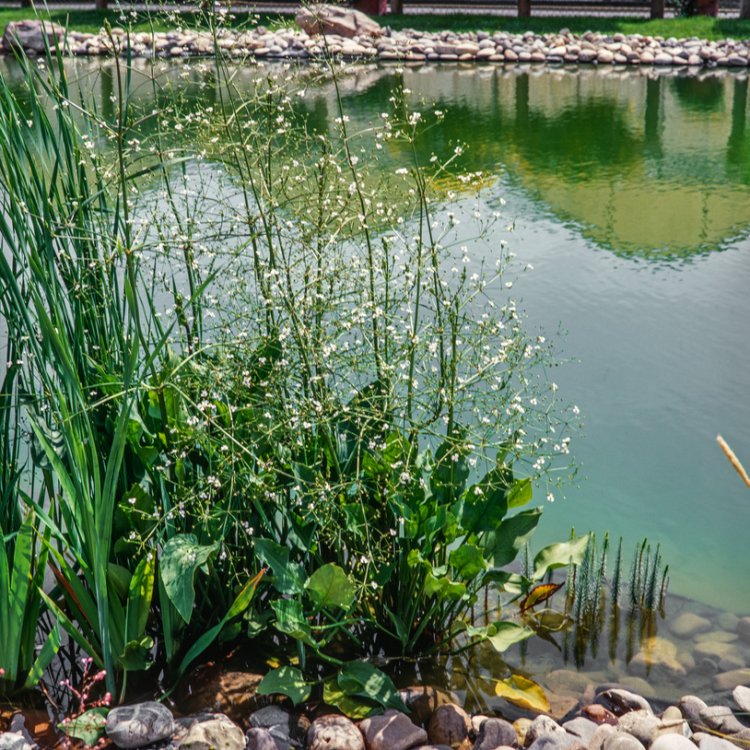
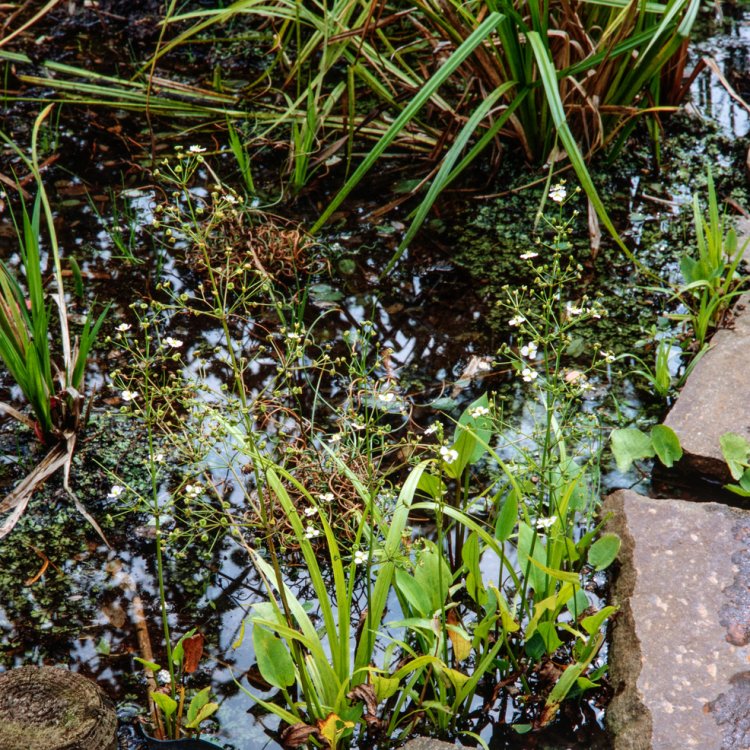
Alisma plantago-aquatica boasts prominent, lance-shaped leaves. These emerge from the water, often reaching up to 60 cm high. The foliage provides a lush, green backdrop. Furthermore, these robust leaves add architectural interest to your pond.
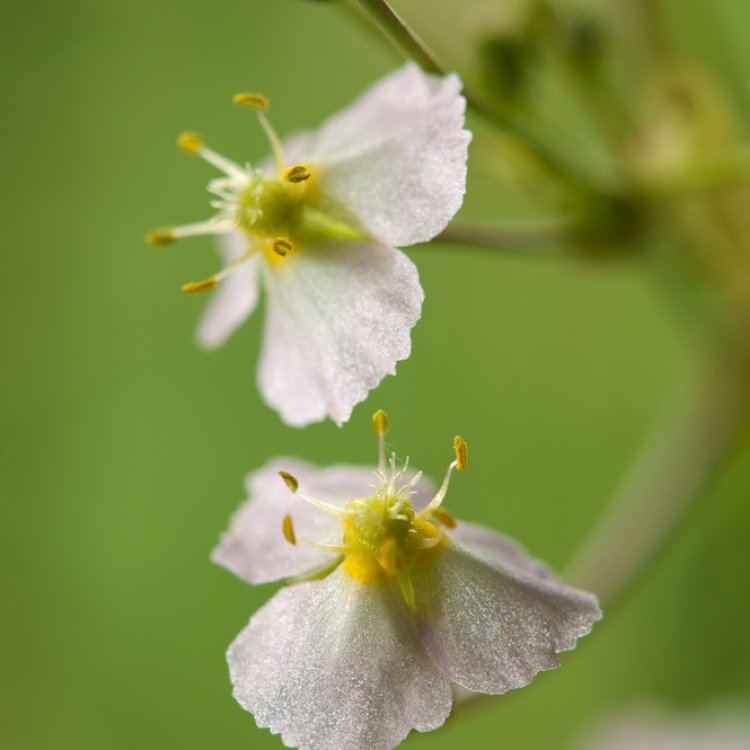
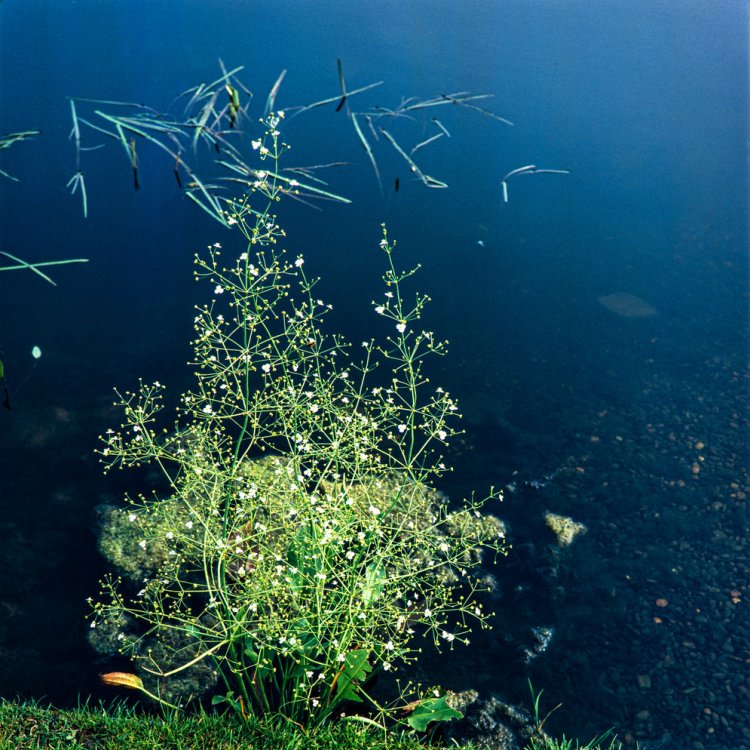
Then, in summer, tall, airy flower stalks appear. These can reach almost a metre in height. They bear numerous small, three-petalled flowers. These blooms are typically white, sometimes with a blush of pale pink. They feature striking yellow centres, which really draw the eye. The delicate display lasts throughout the warmer months, creating a charming and sustained appeal.
This plant is excellent for softening pond edges. It provides valuable habitat and visual appeal. Gardeners often place Alisma plantago-aquatica in shallow water or very damp soil. It suits bog gardens beautifully. This makes it a versatile choice for many water features. Moreover, its presence helps to naturalise the pond environment.
Alisma plantago-aquatica also contributes significantly to wildlife ponds. Its open flowers attract various pollinators, especially bees, which visit frequently. The dense growth offers shelter for smaller aquatic creatures too. This encourages biodiversity in your garden. This plant does not need specific pruning or shaping. Simply remove faded foliage or flower stems to keep it tidy. The Common Water Plantain offers natural grace without complex care.
Very hardy. Tolerates temperatures typical of a continental winter.
Plant Alisma plantago-aquatica in shallow water at pond margins, typically 5-20cm deep. It prefers full sun to partial shade. Ensure the plant's roots are in rich, muddy soil. Divide congested clumps in spring every few years to maintain vigour. Remove dead or yellowing leaves and spent flower stalks to keep it tidy.