£4.18 – £4.88Price range: £4.18 through £4.88
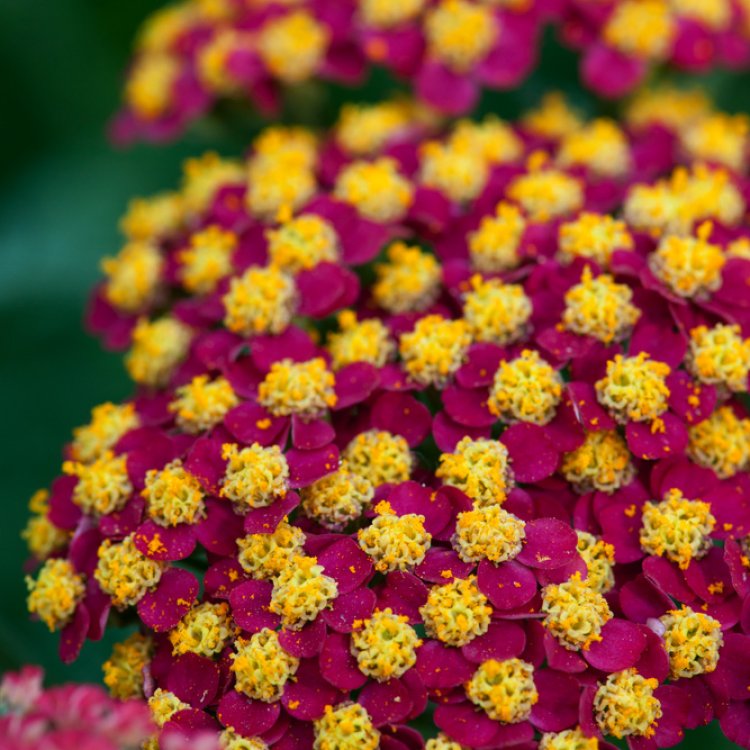
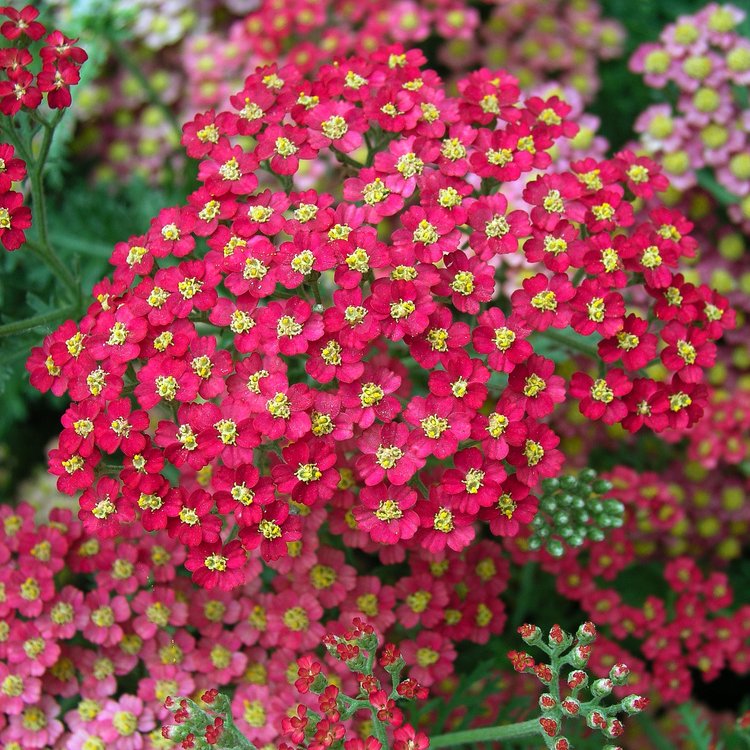
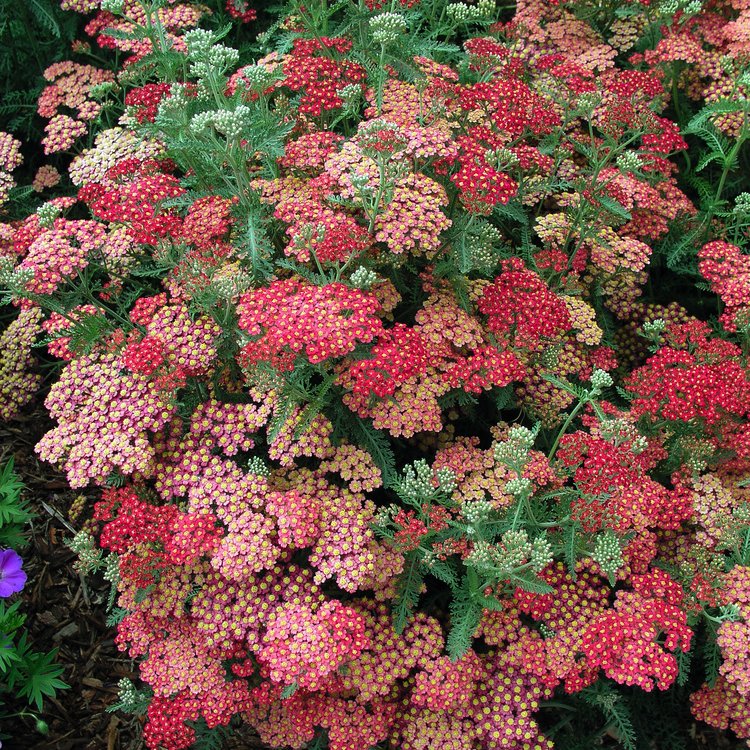
Achillea millefolium ‘Paprika’ showcases vibrant red-orange flowers that mature to soft yellow. This drought-tolerant yarrow attracts bees and butterflies, offering a long season of colour and interest to any UK garden border or prairie planting.
2929 in stock
Discover Achillea millefolium ‘Paprika’, a vibrant perennial offering stunning red-orange blooms that transition to soft yellow. This plant brings bold colour to any UK garden.
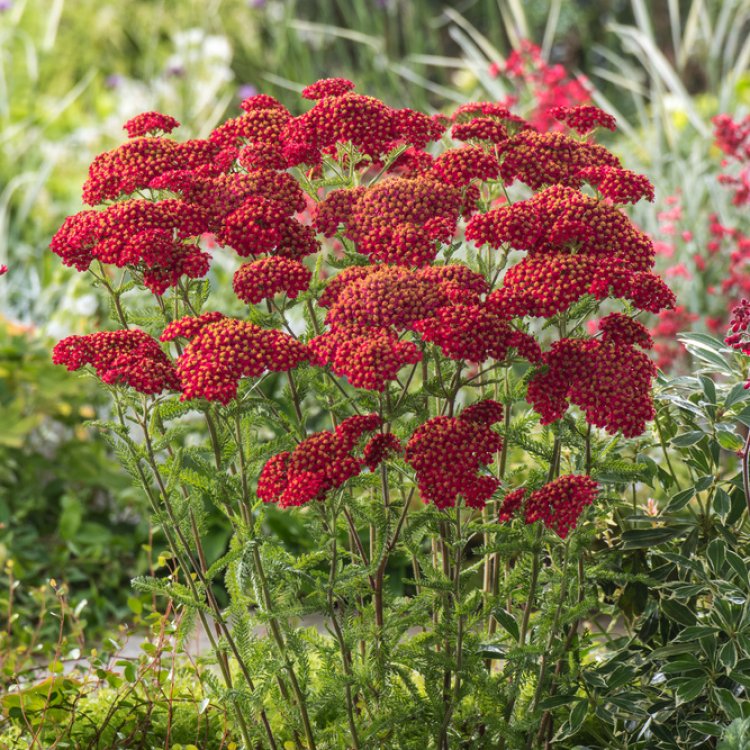
Achillea millefolium ‘Paprika’ is a truly delightful yarrow cultivar. It boasts flat-topped clusters of bright, eye-catching flowers. These bloom above delicate, fern-like foliage. Its vibrant hues instantly elevate garden aesthetics.
The plant is celebrated for its resilience and ability to thrive in various conditions. Furthermore, it attracts a host of beneficial pollinators. Gardeners value this plant for its long flowering period and minimal care needs, making it a superb choice.
The genus name, Achillea, honours the mythical Greek hero Achilles. Legend says he used the plant to treat his soldiers’ wounds. The species name, millefolium, means ‘a thousand leaves’. This refers to the plant’s distinctively finely divided foliage. The cultivar name, ‘Paprika’, perfectly describes its initial bold, warm colour. This bright red-orange hue offers a striking visual impact.
As the flowers mature, their colour softens beautifully. They transition through shades of terracotta before settling on a creamy yellow. This colour progression adds dynamic interest throughout the season. The flowers form dense, flattened heads, making them ideal landing pads for insects. Below these, the grey-green leaves remain attractive. They release a pleasant aroma when brushed or crushed.
This Common Yarrow ‘Paprika’ fits wonderfully into many garden styles. It excels in traditional cottage gardens, adding a splash of vibrant colour. Consider it for modern prairie plantings or naturalistic designs. Its upright habit also makes it an excellent choice for the middle or back of a border.
Achillea millefolium ‘Paprika’ also works well in gravel gardens due to its tolerance for drier conditions. Its sturdy stems ensure the plant stands tall and proud.
Wildlife will flock to your garden when you include this plant. The open structure of its flower heads provides easy access for pollinators. Bees and butterflies particularly appreciate the nectar and pollen it offers. By choosing Achillea millefolium ‘Paprika’, you support local ecosystems. You also enjoy the lively sight of insects visiting your blooms.
Simply deadhead spent flowers to encourage further blooming. An annual cutback in late autumn or early spring helps maintain vigour.
Hardy in the harshest UK conditions and below. Suitable for mountain regions.
Achillea millefolium 'Paprika' is generally low maintenance. Deadhead spent flowers regularly to encourage new blooms and prolong the flowering season. Cut back the faded flower stems and foliage in late autumn or early spring to promote fresh growth. This plant prefers well-drained soil and does not require rich feeding. Avoid heavy clay soils or overly wet conditions, especially in winter. Established plants are drought-tolerant.