£39.74 – £40.93Price range: £39.74 through £40.93
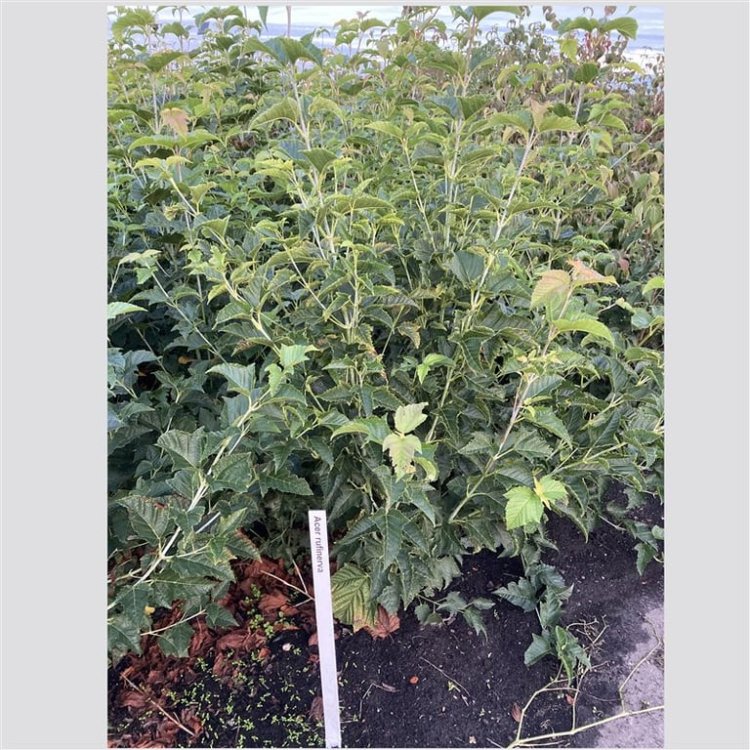
Acer rufinerve, the Snakebark Maple, offers year-round allure with its striking striped bark and vibrant autumn foliage. This hardy deciduous tree provides excellent winter interest and a rich display of seasonal colour, perfect for UK gardens.
5 in stock
Discover Acer rufinerve, a distinguished Snakebark Maple, cherished for its unique bark, lovely foliage, and striking autumn colour, bringing year-round interest to your garden.
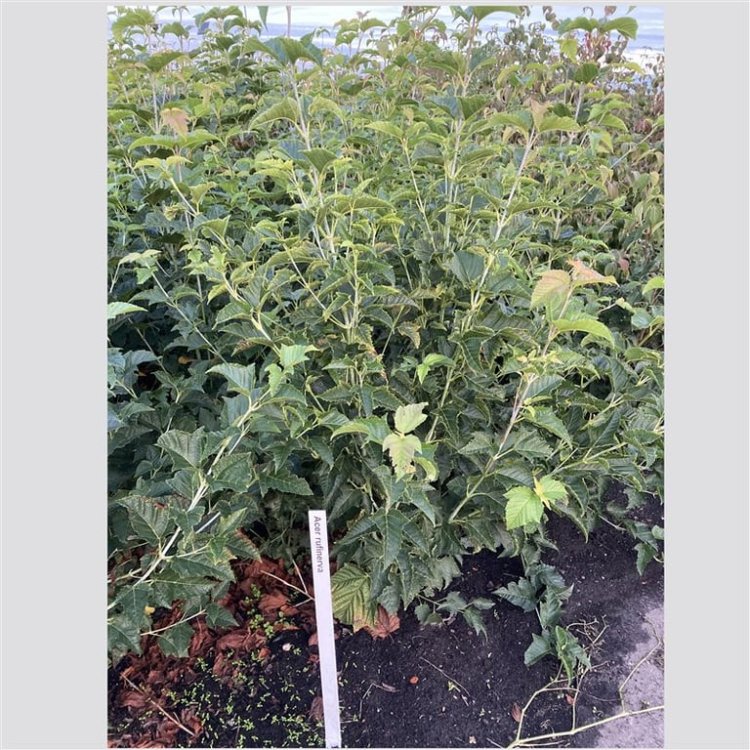
Acer rufinerve, often known as the Snakebark Maple, is a truly captivating ornamental tree. It originates from the temperate forests of Japan, specifically from Hokkaido, Honshu, and Kyushu. Gardeners across the UK value this plant for its exceptional visual appeal, which changes beautifully with the seasons. This deciduous tree offers a fantastic blend of texture and colour, making it a superb choice for a wide array of garden designs. Moreover, its relatively compact size makes it suitable for many garden spaces.
The name Acer rufinerve comes from Latin roots. ‘Acer’ means maple, and ‘rufinerve’ translates to ‘red-veined’. This refers to the subtle reddish veins often seen on its young leaves. Yet, the plant’s common name, Snakebark Maple, truly highlights its most remarkable feature: the bark. Young stems reveal smooth, vibrant green bark. With age, this develops intricate white or silvery-green striped patterns. These patterns create a stunning visual effect, especially during the winter months when the leaves have fallen.
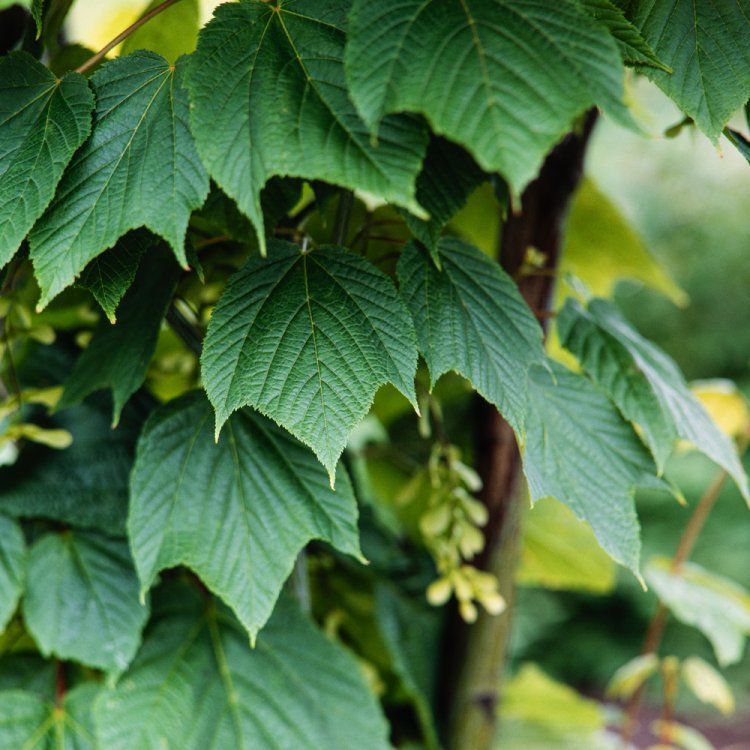
During spring, the new foliage emerges fresh green. Its leaves are typically three-lobed, sometimes five-lobed, with a serrated edge. Small, pendulous racemes of yellow-green flowers bloom from April to May. These modest blooms are an important early food source for various pollinating insects, including bees. Later, the flowers develop into distinctive winged seeds, called samaras, which whirl gracefully as they fall.
As summer progresses, the leaves maintain their healthy green hue. Then, as autumn arrives, the foliage transforms dramatically. You will observe a brilliant display of yellow, orange, and fiery red tones. This provides a spectacular seasonal show. Because of its elegant form and vibrant autumn colour, Acer rufinerve is perfect as a specimen tree. It looks equally at home in a woodland garden or a mixed border. Its distinctive bark also offers excellent winter interest. This ensures beauty in your garden even when other plants are dormant.
Pruning is rarely necessary for this Snakebark Maple. You should remove any dead, damaged, or crossing branches in late summer or early autumn. This avoids the risk of sap bleeding. The tree attracts wildlife; its spring flowers offer nectar for bees, and birds enjoy its seeds. Consequently, it supports local biodiversity, enhancing your garden’s ecosystem.
Very hardy. Tolerates temperatures typical of a continental winter.
Keep the soil consistently moist, especially during dry spells and when the tree is establishing. Apply a layer of well-rotted compost or mulch around the base in spring to enrich the soil and retain moisture. Pruning is generally minimal; remove any dead, damaged, or crossing branches in late summer or early autumn to prevent sap bleeding. Avoid pruning in spring when the sap is rising.
This plant is deciduous so it will lose all of its leaves in the autumn and get fresh new foliage each spring.