£46.71 – £58.27Price range: £46.71 through £58.27
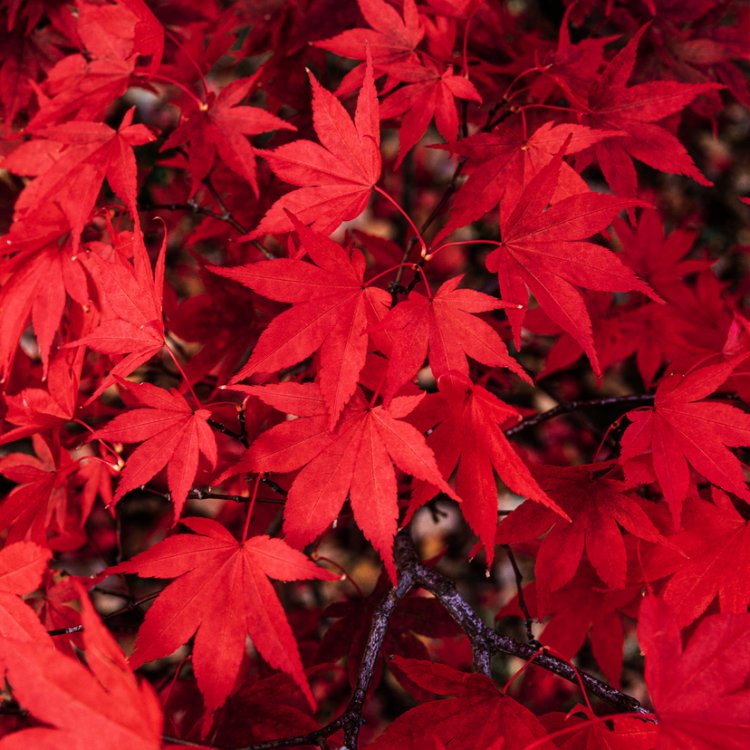
Acer palmatum, the Japanese Maple, brings elegant structure and breathtaking seasonal colour to any UK garden. Its delicate foliage transitions from spring greens to fiery autumn reds, making it a compact, low-maintenance focal point.
100 in stock
Acer palmatum, commonly known as Japanese Maple, brings elegant structure and breathtaking seasonal colour to UK gardens, transforming with each passing month.
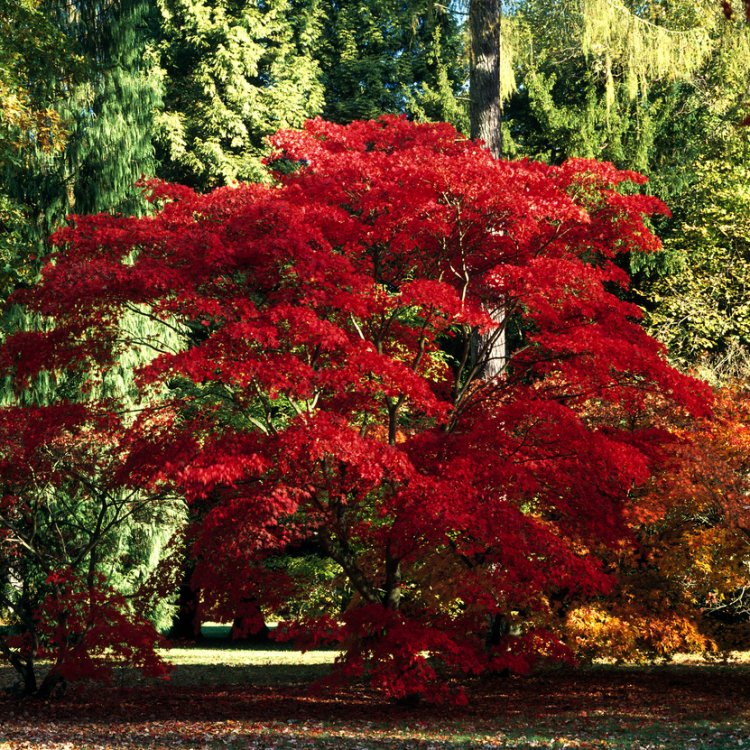
This versatile small tree, Acer palmatum, offers exceptional beauty throughout the year, making it a prized choice for many British landscapes. Its delicate foliage provides a stunning display, shifting from vibrant spring greens and reds to rich autumnal golds, oranges, and fiery crimson. Consequently, it creates a focal point in any garden design. Many gardeners appreciate its refined form and textured leaves. This plant truly elevates an outdoor space with its distinctive charm.
The name Acer palmatum originates from Latin. ‘Acer’ means maple and ‘palmatum’ refers to its palm-like, deeply lobed leaves. People widely know it as the Japanese Maple, reflecting its native origins. These exquisite trees are cherished for their ornamental qualities, becoming a staple in British gardens. Cultivars exhibit a wide range of leaf shapes and colours.
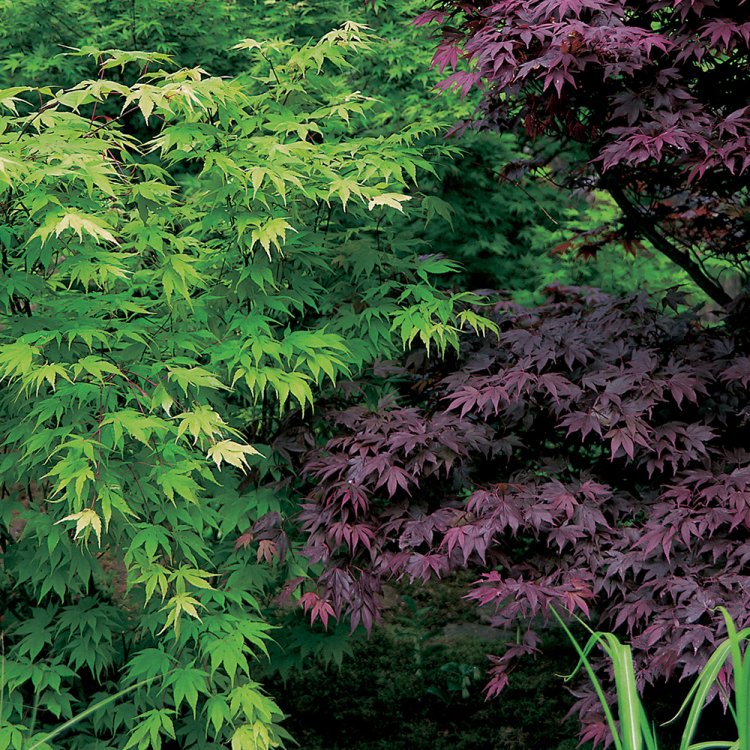
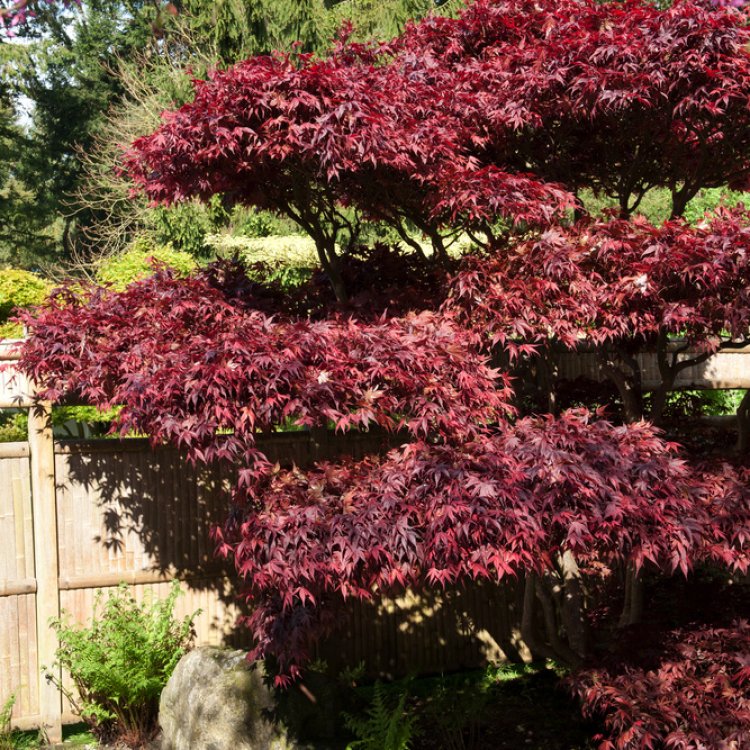
Japanese Maples truly shine with their stunning foliage. Leaf colour varies significantly. Young leaves often emerge in brilliant green, deep purple-red, or variegated tones during spring. As seasons progress, these colours deepen or change. This culminates in spectacular autumn displays of yellows, oranges, and crimson reds. Delicate, dissected leaves create a fine texture and airy feel.
While Acer palmatum flowers are small, they provide pollen for early emerging insects. Small winged seeds, samaras, follow these flowers. They are not a primary ornamental feature, yet contribute to the plant’s life cycle.
Gardeners frequently use Acer palmatum as a specimen tree. This allows its unique form and colour to stand out prominently. Its compact size makes it perfect for smaller gardens, courtyards, or larger containers. Additionally, it thrives in mixed borders. Here, foliage contrasts beautifully with evergreen shrubs or softer perennials.
You can also plant Japanese Maples near ponds or water features. Their elegant reflections enhance the tranquil setting. They create a wonderful canopy in shaded woodland gardens, providing a calming atmosphere and year-round visual interest.
Japanese Maples generally require minimal pruning. Mostly, you remove dead, damaged, or crossing branches to maintain healthy structure. The best time for this light pruning is late summer after leaves harden, or in late winter before sap rises, typically January or February.
Avoid pruning in spring when sap actively flows, as this can cause ‘bleeding’. Although not a primary nectar source, Acer palmatum offers shelter and habitat for small birds and insects. Thus, it contributes to local biodiversity, adding health and vibrancy to your garden ecosystem.
Water regularly during dry periods, especially for container-grown plants. Apply a balanced, slow-release fertiliser in spring. Mulch annually with well-rotted compost to retain moisture and suppress weeds. Prune minimally in late summer or late winter to remove dead, damaged, or crossing branches; avoid heavy pruning in spring due to sap bleeding. Protect young plants from late spring frosts and strong, drying winds.
This plant is deciduous so it will lose all of its leaves in the autumn and get fresh new foliage each spring.