£20.30 – £22.66Price range: £20.30 through £22.66
Acer palmatum ‘Garnet’ is a stunning Japanese Maple, celebrated for its deeply lobed, vibrant crimson foliage that offers year-round colour and graceful form. Perfect for borders or containers in UK gardens.
31 in stock
Acer palmatum ‘Garnet’ captivates with its deeply lobed, crimson foliage, creating a stunning focal point throughout the seasons in any UK garden.
This magnificent Japanese Maple cultivar brings dramatic colour and elegant form to diverse garden settings. Gardeners cherish Acer palmatum ‘Garnet’ for its unique weeping habit and vibrant leaves. Originating from Japan, these maples are beloved additions to British landscapes. They offer year-round visual appeal and contribute beautifully to a serene garden atmosphere. This deciduous shrub or small tree makes an impressive statement.
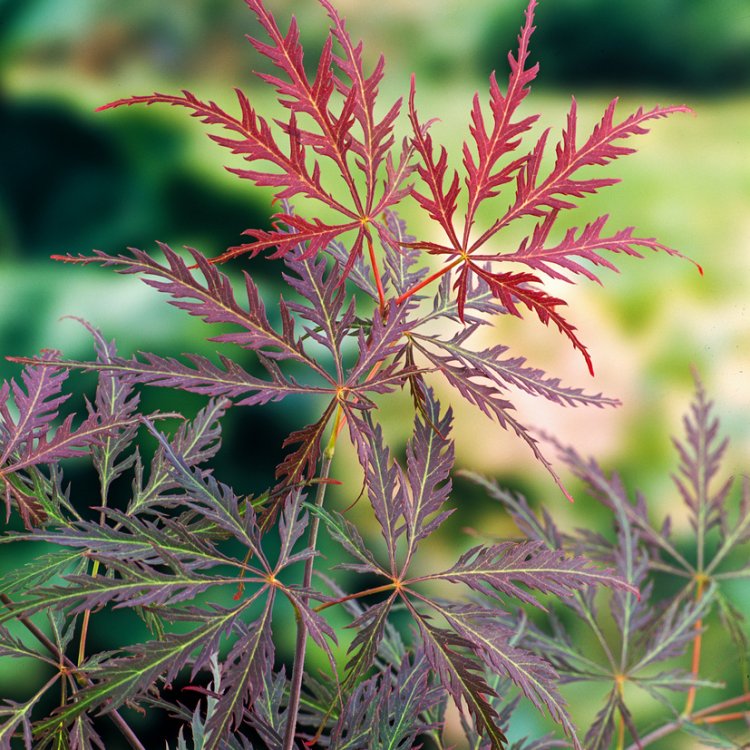
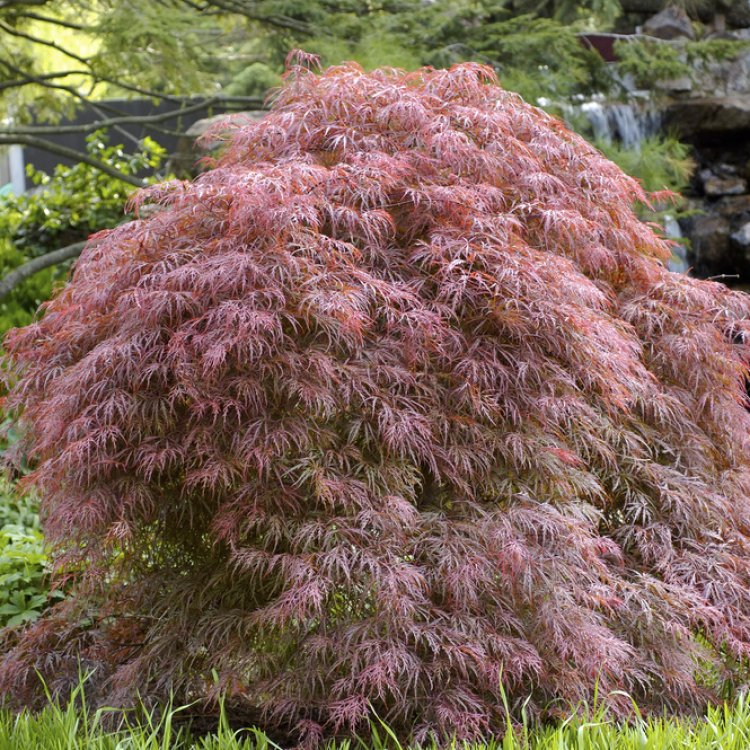
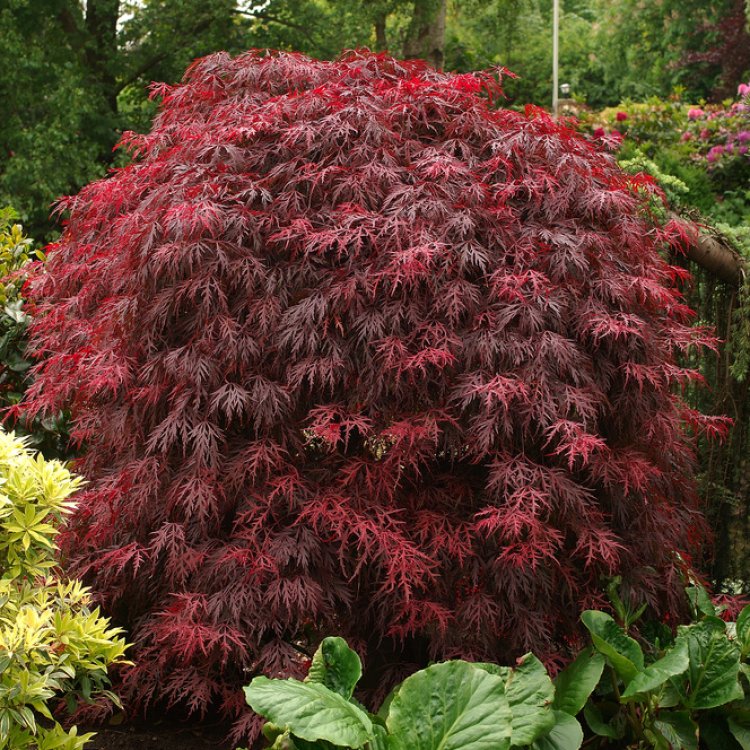
Acer palmatum ‘Garnet’ is a highly prized Japanese Maple cultivar, adored for its spectacular foliage. The name ‘Garnet’ aptly describes its rich, deep red, finely cut leaves, resembling precious gemstones. This deciduous shrub forms a beautiful, mounding or weeping shape, adding an elegant silhouette to any garden. Its delicate appearance belies a robust nature, making it popular for UK gardens.
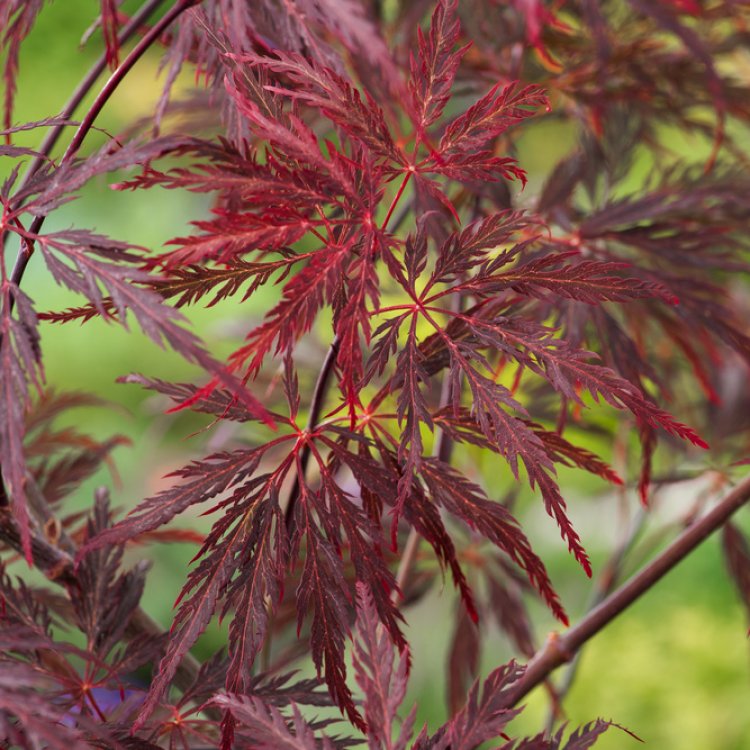
The true charm of Acer palmatum ‘Garnet’ lies in its leaves. They emerge bright, luminous crimson in spring, deepening to rich, dark purple-red through summer. Each leaf is deeply dissected, creating a delicate, lace-like texture.
As autumn approaches, the foliage transforms into brilliant fiery oranges and reds before falling. Small, reddish flowers appear in spring but are inconspicuous. Gardeners value this plant for its breathtaking foliage, providing continuous visual interest from spring through late autumn.
This Japanese Maple is wonderfully versatile. Its compact size suits borders, rockeries, or specimen planting. Many grow Acer palmatum ‘Garnet’ in large containers, offering flexible patio or balcony placement.
Its graceful form creates a natural centrepiece. Use it to edge a pathway or soften hard landscaping. It tolerates the varied UK climate well; just ensure suitable growing conditions.
Acer palmatum ‘Garnet’ generally requires minimal pruning. Remove only dead or damaged branches to maintain its attractive shape. Light formative pruning can occur in late summer or early autumn to avoid bleeding from spring cuts.
While not a primary food source, its dense canopy offers shelter for small birds. It naturally contributes to biodiversity, enriching the varied plant life within your garden.
Very hardy. Tolerates temperatures typical of a continental winter.
Acer palmatum 'Garnet' thrives with minimal care when planted correctly. Ensure consistent moisture, especially during dry spells and for container-grown plants; however, avoid waterlogging. Protect delicate new growth from late spring frosts and strong, drying winds. Prune sparingly in late summer or early autumn to remove dead, damaged, or crossing branches and to maintain its elegant weeping form. Avoid heavy pruning and spring pruning, which can cause sap bleeding. Apply a slow-release, balanced fertiliser in spring, particularly for container specimens, to support healthy growth.
This plant is deciduous so it will lose all of its leaves in the autumn and get fresh new foliage each spring.