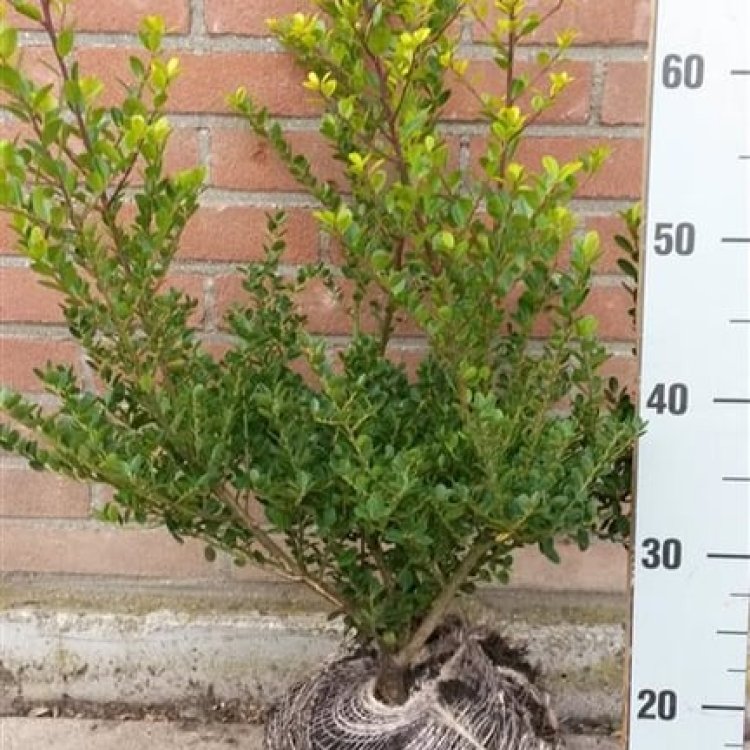
£7.74 – £10.10Price range: £7.74 through £10.10
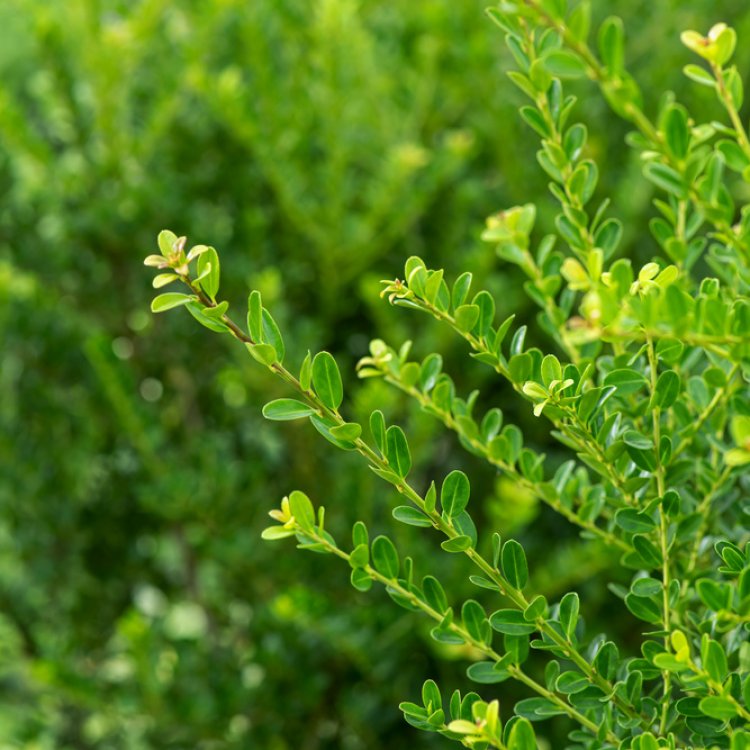
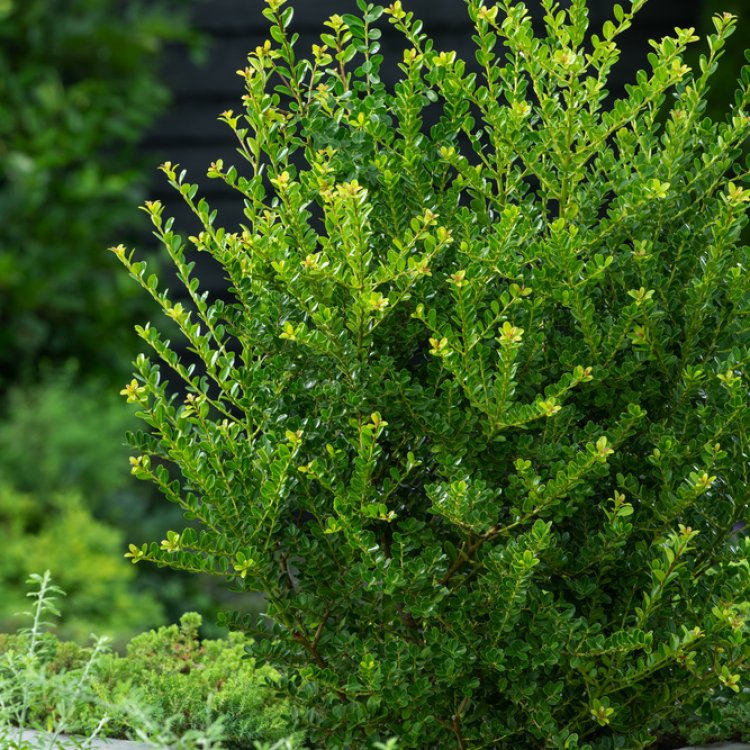
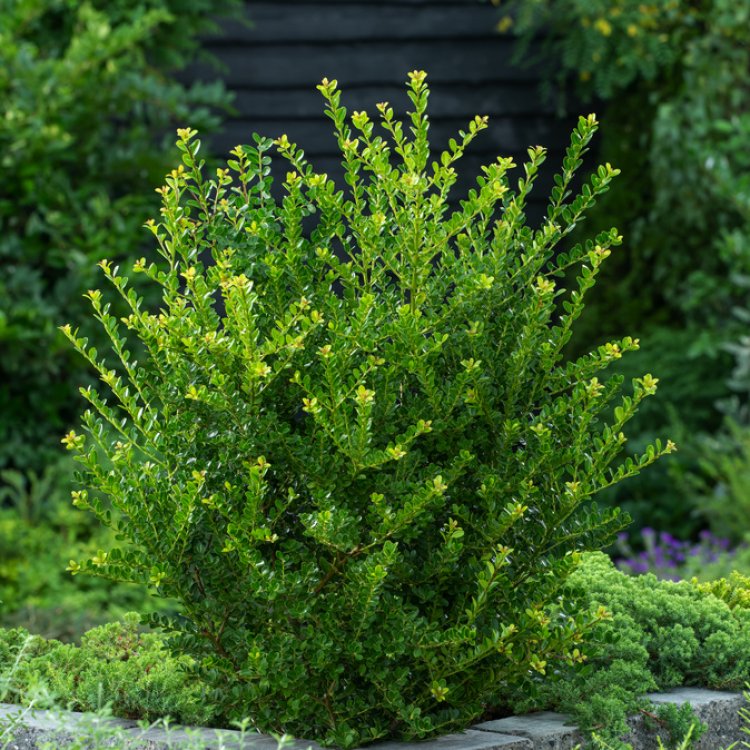
Ilex crenata ‘Green Hedge’ is an excellent evergreen Japanese Holly, ideal for formal hedges and topiary. Its dense, glossy, dark green foliage provides year-round structure and is a superb alternative to box hedging in UK gardens.
200 in stock
Discover Ilex crenata ‘Green Hedge’, a superb evergreen shrub, perfect for crafting elegant, formal structures and pristine hedges in your UK garden.
Ilex crenata ‘Green Hedge’, widely known as Japanese Holly, offers a sophisticated alternative to traditional box hedging. This resilient evergreen brings year-round interest and structure to various garden designs. Its compact growth and small, glossy leaves create a refined texture. Gardeners value this particular cultivar for its dense habit and excellent response to shaping. It is an ideal choice for creating neat divisions and adding formality without many common issues associated with box.
Ilex crenata ‘Green Hedge’ is a distinguished member of the Japanese Holly family. This particular cultivar is celebrated for its dense, upright growth. It provides an evergreen presence, adding constant structure to garden landscapes. The plant’s small, oval leaves are a rich dark green, offering a neat and tidy appearance. Many gardeners choose it as a refined alternative to the common box.
The genus name ‘Ilex’ originates from the classical Latin name for the Holly Oak. This name was chosen due to the similar appearance of its leaves. The species name ‘crenata’ describes the finely scalloped or crenated edges of its small leaves. While these edges are very subtle, they give the plant its specific botanical identity. The cultivar name ‘Green Hedge’ aptly describes its colour and primary use. This plant hails from East Asia, specifically Japan, Korea, and China.
The main appeal of Ilex crenata ‘Green Hedge’ is its foliage. Its leaves are small, measuring about 2-3 cm long. They are a deep, glossy green. Furthermore, they are arranged densely along the stems, creating a solid mass of colour. In late spring or early summer, tiny, inconspicuous white flowers appear. These blooms are small and not showy, yet they attract pollinators. Following the flowers, female plants may produce small, black, spherical berries. While not a main feature, these berries offer a modest food source for birds in autumn and winter.
This Japanese Holly is exceptionally versatile in UK gardens. It excels as a formal hedge, providing crisp lines and a neat boundary. You can use it to edge paths, define garden rooms, or create intricate parterre designs. Moreover, its dense growth makes it suitable for topiary. Gardeners often clip it into various shapes like balls, cones, or spirals. It also works well as a standalone specimen shrub. Its tidy habit ensures it fits into both traditional and contemporary garden schemes.
Ilex crenata ‘Green Hedge’ tolerates regular pruning very well. This makes it a favoured choice for maintained shapes. For hedges, gardeners typically clip it two or three times a year. This encourages dense growth and keeps the shape crisp. Pruning sessions usually occur in late spring and again in late summer. Such regular attention helps the plant maintain its desired form and vigour. It also prevents the hedge from becoming too open.
Although its flowers are tiny, they do offer nectar for bees and other small insects. Therefore, they contribute to garden biodiversity. The small black berries, produced on female plants after successful pollination, provide a food source. Local birds often seek these berries during the colder months. So, this Japanese Holly can subtly support local wildlife, enriching your garden ecosystem.
Very hardy. Tolerates temperatures typical of a continental winter.
Keep soil consistently moist, especially during dry spells and after planting. Apply a general-purpose fertiliser lightly in spring. For formal hedges, trim two to three times a year, ideally in late spring/early summer and again in late summer/early autumn, to encourage dense growth and maintain shape. Generally trouble-free, but ensure good drainage to prevent root rot.