£8.26 – £8.98Price range: £8.26 through £8.98
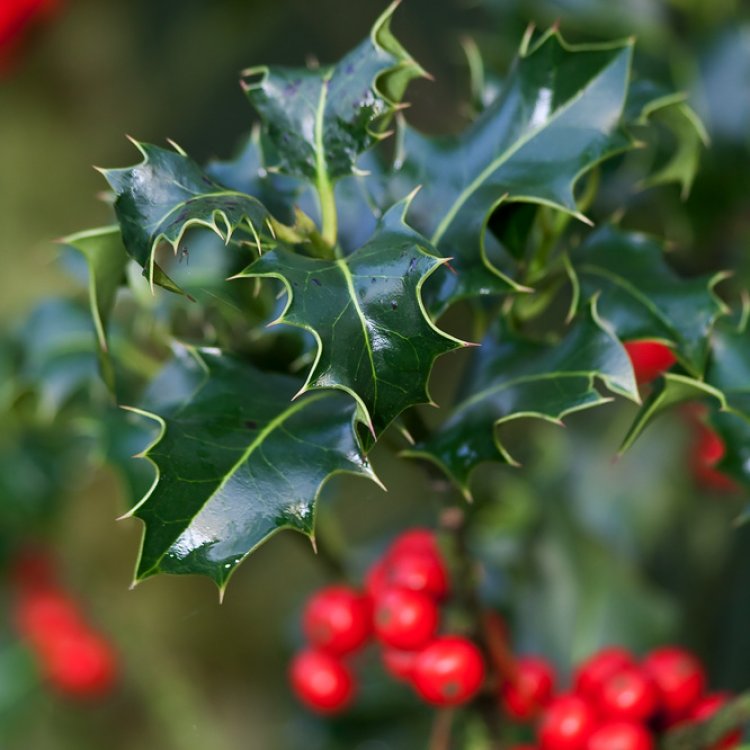
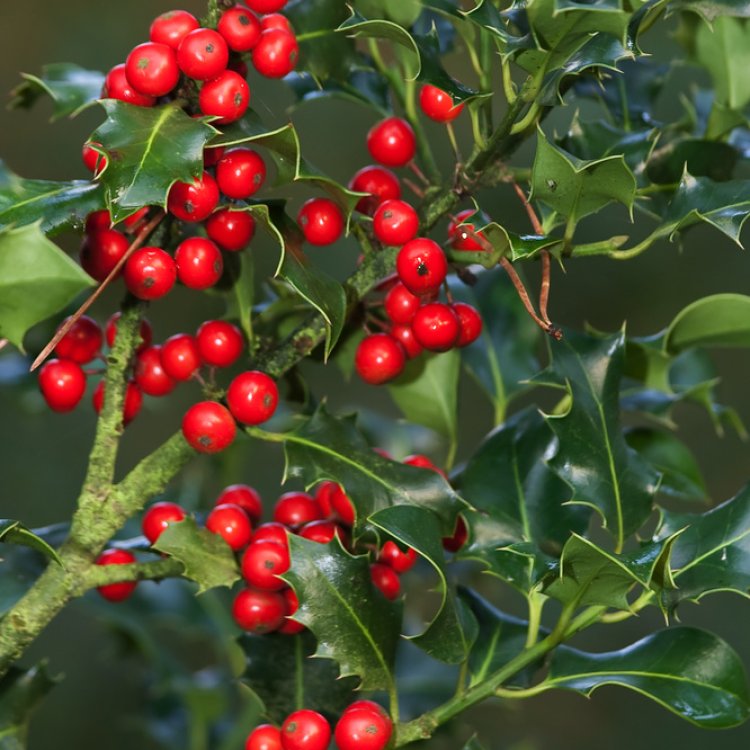
Ilex aquifolium, or Common Holly, is a cherished native evergreen. It offers glossy, spiny leaves and vibrant red winter berries, providing vital food and shelter for wildlife. Perfect for hedging or as a specimen, it brings year-round beauty.
250 in stock
Ilex aquifolium, known as Common Holly, is an iconic native evergreen, bringing structure and vibrant winter interest to UK gardens with its distinct foliage and berries.
Discover the enduring appeal of Ilex aquifolium, a cherished feature in British landscapes and gardens for centuries. This robust plant offers year-round beauty, making it a garden essential. It provides a striking backdrop with its glossy, deep green leaves and, on female plants, an impressive display of bright red berries during the colder months. Furthermore, its dense structure creates invaluable shelter and a vital food source for local wildlife, truly enriching any outdoor space.
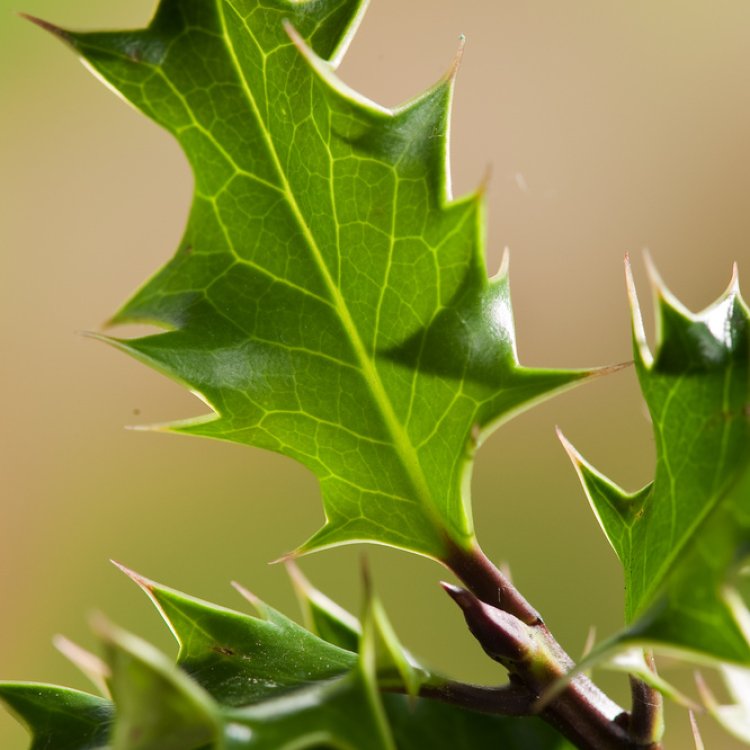
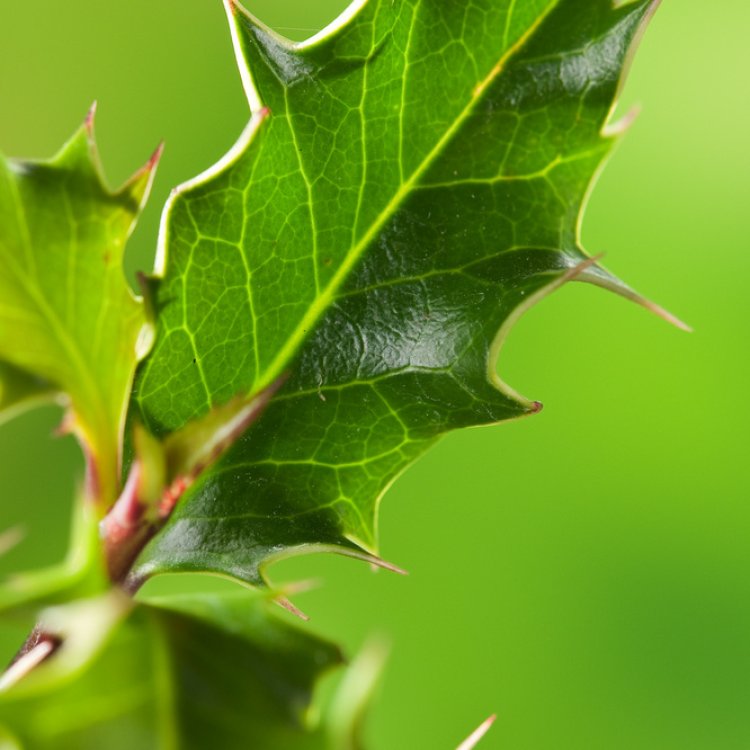
The botanical name, Ilex aquifolium, eloquently describes this plant. ‘Ilex’ refers to the Holm Oak, a tree with similarly shaped leaves. Meanwhile, ‘aquifolium’ originates from Latin, meaning ‘spiny-leaved’. Indeed, the sharply toothed leaves are a defining characteristic. This native evergreen thrives across the UK, making it a familiar and beloved sight. Gardeners often choose this versatile plant for its year-round appeal.
The foliage of Ilex aquifolium is a picture of enduring beauty. Its leaves are a rich, dark green, possessing a distinct waxy sheen. Each leaf also features characteristic wavy, spiny margins. In late spring to early summer, small, subtle white flowers emerge. These blooms might be inconspicuous, yet they play a crucial role. They attract numerous busy bees, which are essential for pollination. Following successful pollination, female plants then develop their iconic bright red berries. These berries typically ripen in autumn, adding a spectacular splash of colour throughout winter.
Gardeners use Ilex aquifolium in many creative ways. This plant forms an excellent, impenetrable hedge, providing both privacy and security. Moreover, it makes a superb screening plant, effectively blocking unsightly views. As a standalone specimen tree or large shrub, it adds significant architectural interest. You might also shape it into elegant topiary forms, thereby adding formal flair. This plant tolerates pruning very well. Therefore, you can maintain its desired size and shape with ease. Typically, pruning occurs in late winter or early spring. This timing allows new growth to emerge cleanly. Alternatively, prune in late summer after berries have formed, if retaining them is a priority.
Ilex aquifolium offers immense value to local wildlife. Its dense, evergreen canopy provides vital shelter for birds, particularly during harsh winter weather. Birds often nest within its protective branches. More importantly, the bright red berries provide a critical food source for many bird species, sustaining them when other food is scarce. Also, its small flowers, despite their modest appearance, are a magnet for various pollinators, including bees, which help support the garden’s ecosystem.
Very hardy. Tolerates temperatures typical of a continental winter.
Water newly planted specimens regularly until established. Holly tolerates pruning well; trim hedges or shape specimens in late winter/early spring or late summer. No specific feeding is usually required in fertile soil.