£4.18 – £4.88Price range: £4.18 through £4.88
Hyssopus officinalis is a fragrant, semi-evergreen sub-shrub, celebrated for its aromatic foliage and beautiful blue-purple flower spikes. It’s a superb choice for attracting bees and butterflies to your UK garden.
1269 in stock
Discover Hyssopus officinalis, a beautiful and fragrant sub-shrub bringing traditional charm and vibrant colour to British gardens with ease.
This enduring herb, known for its strong aromatic presence, offers more than just fragrance. Consequently, its bright floral spikes provide a delightful spectacle throughout the summer months. Gardeners across the UK value this plant for its resilience and undeniable appeal. Furthermore, it attracts essential pollinators, enhancing garden biodiversity.
This classic plant, botanically known as Hyssopus officinalis, has deep historical roots. Its genus name, Hyssopus, comes from the Greek word ‘hyssopos’. This term likely relates to the Hebrew word ‘ezob’. Historically, people used this plant for purification rituals. Today, this beautiful perennial still holds a special place. It adds both beauty and function to any garden setting.
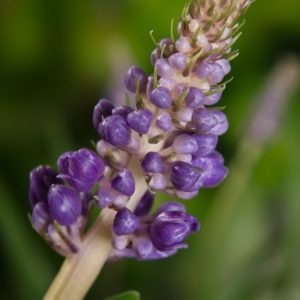
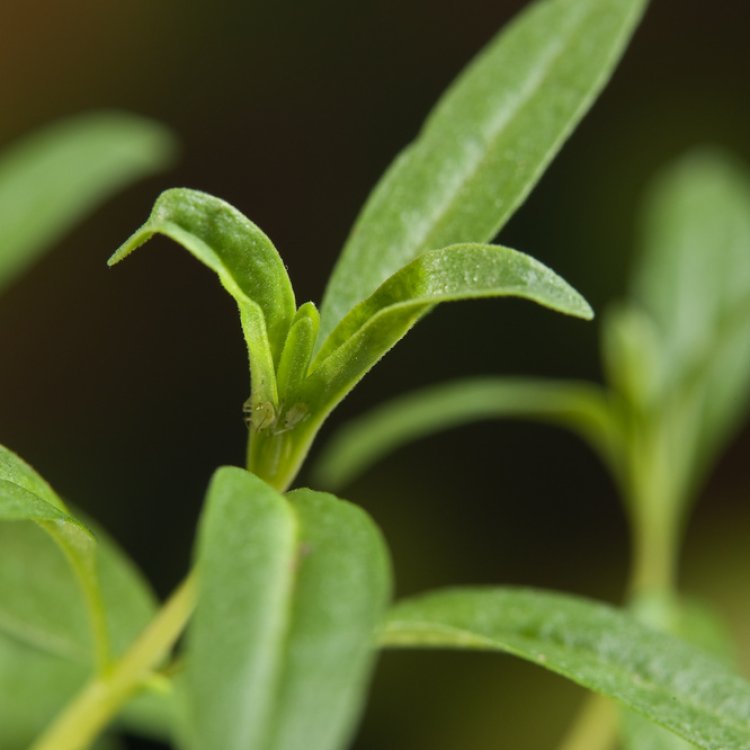
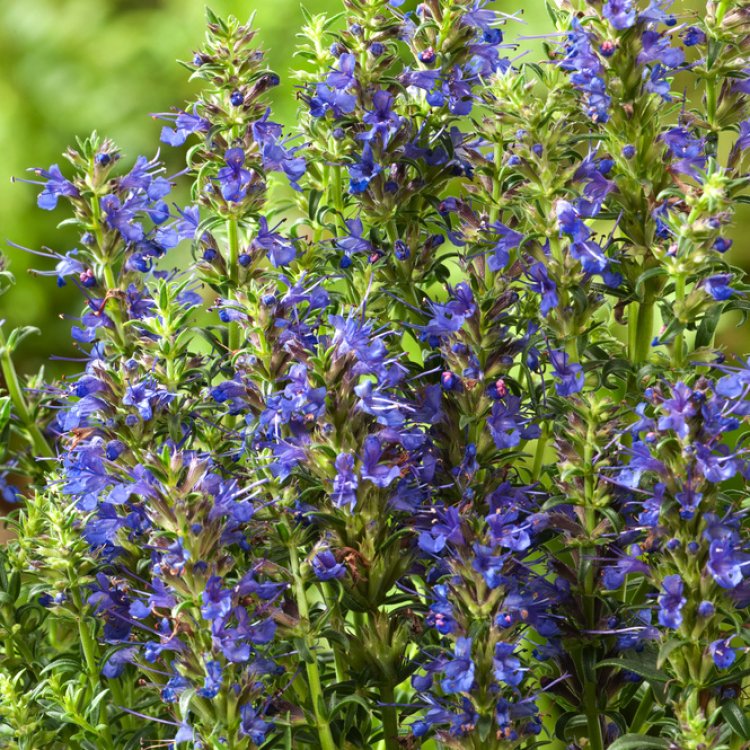
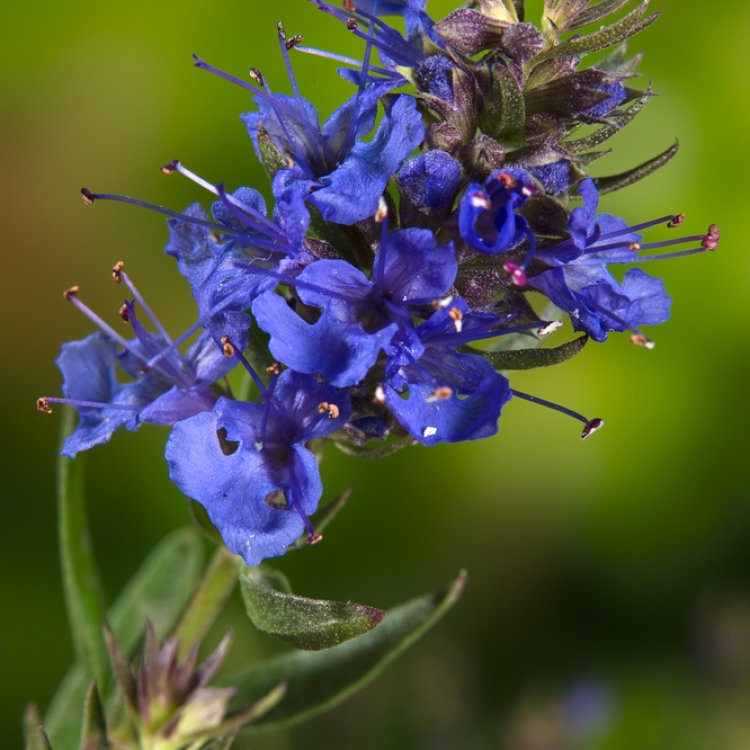
Hyssopus officinalis delights with its slender spikes of blue-purple flowers. These blooms typically appear from mid-summer into early autumn. Occasionally, you might find pink or white varieties too. The small, dark green leaves are semi-evergreen. They emit a strong, aromatic scent when brushed. This fragrance is a key feature. Therefore, it provides year-round interest and sensory appeal. The bushy habit makes it a neat addition.
Moreover, Hyssopus officinalis is a fantastic friend to garden wildlife. Its nectar-rich flowers are irresistible to bees. Butterflies also flock to its colourful display. Planting this herb actively supports local ecosystems. This makes your garden a lively, buzzing haven. Consequently, you contribute to vital pollinator health.
This adaptable sub-shrub thrives in many UK garden styles. It works wonderfully as a low hedge for borders. You can also feature it prominently in herb gardens. Its compact size means it suits containers too. Furthermore, this plant complements cottage garden schemes perfectly. It forms a tidy, attractive clump. Therefore, it is a versatile choice for gardeners.
Hyssopus officinalis is generally a low-maintenance plant. It benefits from light pruning after flowering. This helps maintain a neat shape. It also encourages new, vigorous growth. Simply trim back spent flower spikes. You will ensure a healthy and attractive plant. This simple task supports its bushy habit.
Hardy in all of the UK and northern Europe. Suitable for exposed sites.
Water regularly until established; then it is drought-tolerant. Avoid waterlogging. Prefers well-drained soil; tolerates various types, including sandy, loamy, and chalky. Thrives in a sheltered spot with full sun; tolerates partial sun. Lightly prune after flowering to maintain shape and encourage dense growth. Remove dead or woody stems in spring. Generally does not require feeding if planted in fertile soil.