£16.43 – £18.79Price range: £16.43 through £18.79
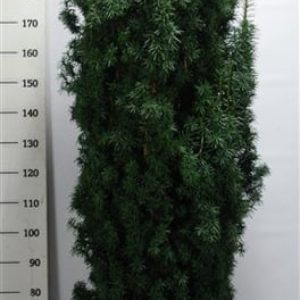
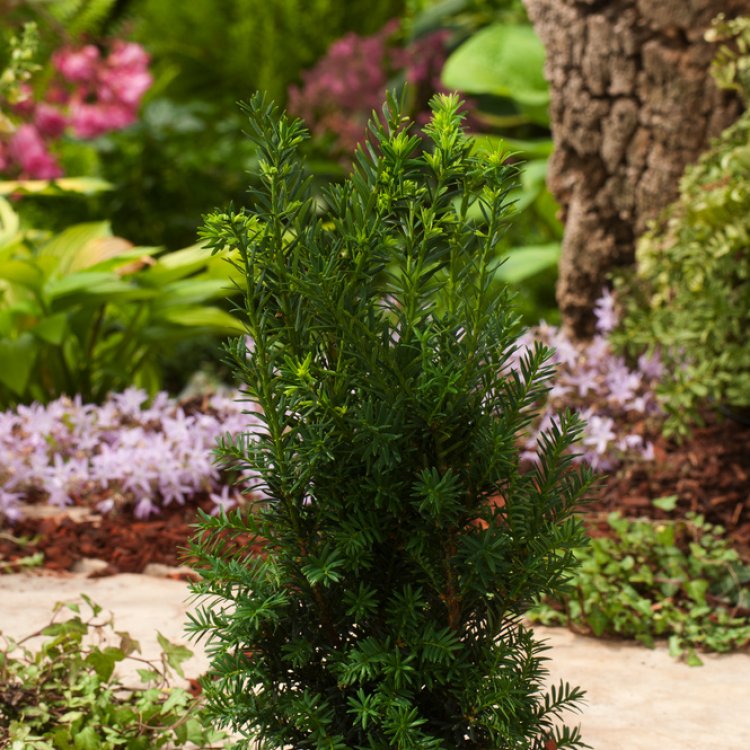
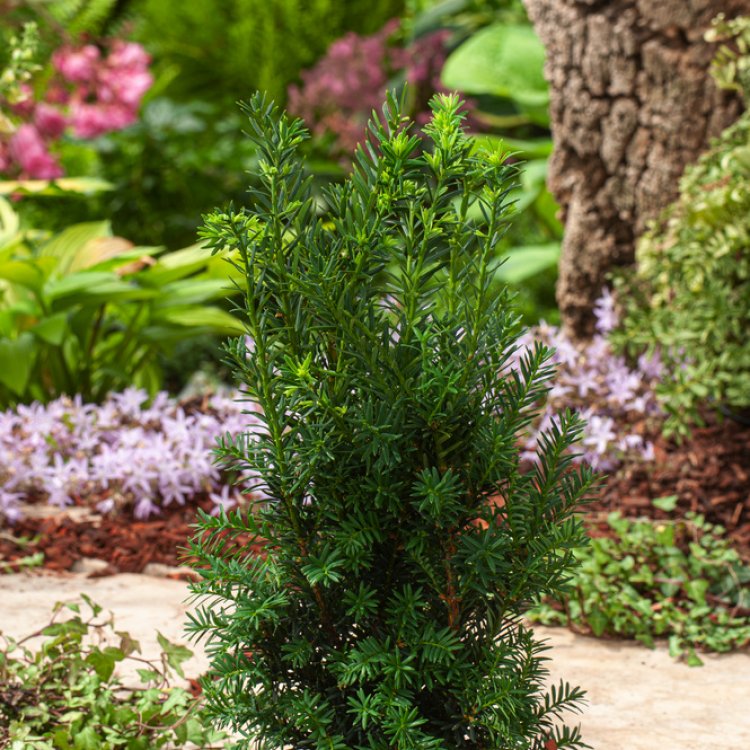
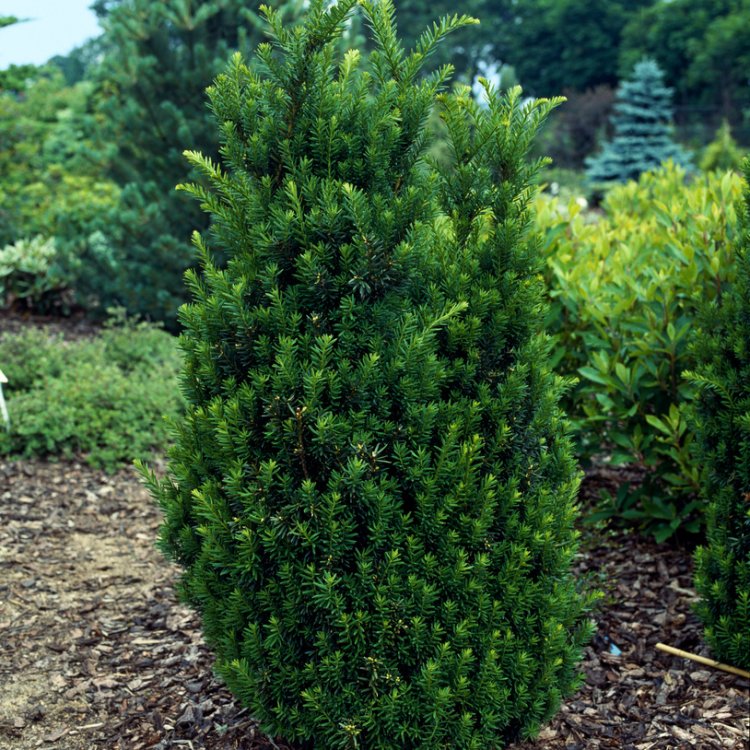
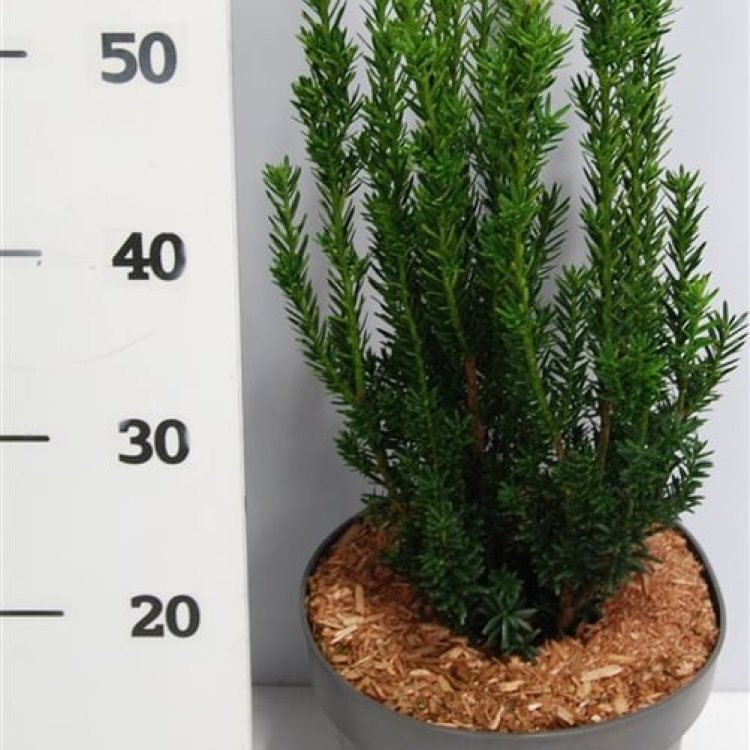
Taxus media ‘Hillii’ is a distinguished male yew, forming dense, upright columns of dark green evergreen foliage. Ideal for formal hedging, topiary, or screening, it provides year-round structure without producing berries. This hardy plant thrives in sun or shade.
1363 in stock
Discover Taxus media ‘Hillii’, a distinguished male yew cultivar, perfect for creating formal structure and evergreen beauty in your UK garden.
Taxus media ‘Hillii’ is a highly valued evergreen conifer, a popular choice for gardeners seeking a robust and elegant plant. This unique male form of hybrid yew combines the hardiness of English Yew (Taxus baccata) with the dense habit of Japanese Yew (Taxus cuspidata). It provides year-round interest with its rich, dark green foliage. Its classic columnar shape and dense growth make it a garden favourite across the United Kingdom. Gardeners prize this specific yew for its versatility and refined appearance.
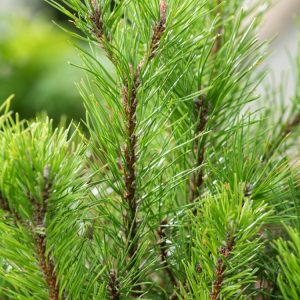
This exceptional plant, Taxus media ‘Hillii’, takes its name from the D. Hill Nursery in Illinois, USA. They introduced this particular selection, renowned for its desirable characteristics. As a hybrid, it naturally inherits the best traits from both parent species. Its lush, dark green needles feel soft to the touch. The foliage remains vibrant throughout the year, truly enhancing any garden space.
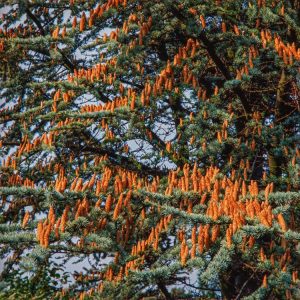
Taxus media ‘Hillii’ forms a dense, upright column. This makes it an ideal choice for formal hedging, providing privacy and defined garden rooms. Many gardeners also use it for topiary, shaping it into intricate forms. Furthermore, it creates superb green screens and offers a strong architectural presence in borders. As a male plant, it produces small, inconspicuous pollen cones in spring rather than the showy red arils (berries) found on female yews. Consequently, this feature makes ‘Hillii’ a safer option for gardens with children or pets, removing the concern of toxic berries. Therefore, many people choose this cultivar for peace of mind.
Gardeners love this yew for its exceptional tolerance to pruning. You can easily shape it to maintain its desired size and form. This allows for clean, crisp lines in formal garden designs. The dense foliage of this yew offers vital shelter for various garden wildlife. Birds especially find its thick branches a safe haven for nesting and roosting. While not a magnet for bees or butterflies with showy flowers, its structural contribution to a biodiverse garden is significant. It thus provides a robust and beautiful backdrop for other plants to shine.
Very hardy. Tolerates temperatures typical of a continental winter.
Taxus media 'Hillii' thrives with minimal care once established. Water regularly during its first year to ensure good root development. Established plants tolerate drought but benefit from occasional watering in dry spells. Apply a balanced, general-purpose fertiliser in early spring. This yew tolerates hard pruning, which is best carried out in late spring or early summer for hedges and formal shapes. A second light trim can be done in late summer. Protect roots from waterlogging, as this can lead to root rot. Be aware that all parts of the yew are toxic if ingested.