£29.83 – £32.18Price range: £29.83 through £32.18
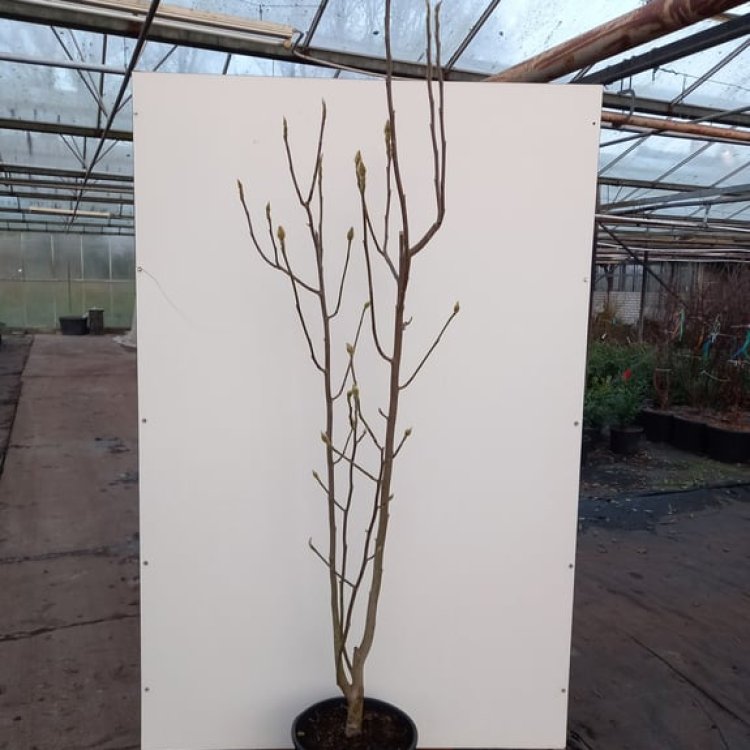
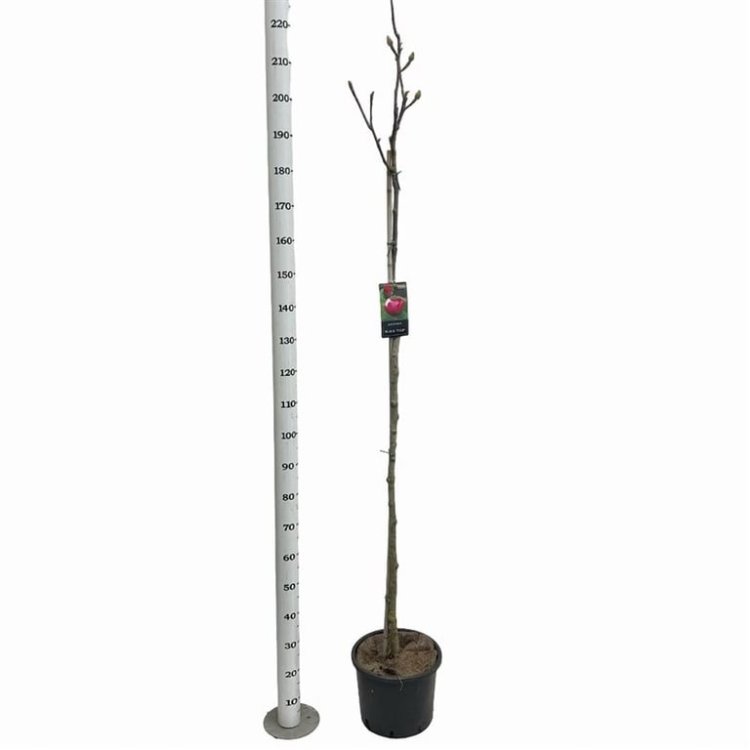
Discover Magnolia Black Tulip, a magnificent deciduous tree. It displays unique deep maroon-purple, tulip-shaped flowers in early spring. This compact plant creates a stunning focal point, adding elegance and providing early nectar for bees.
169 in stock
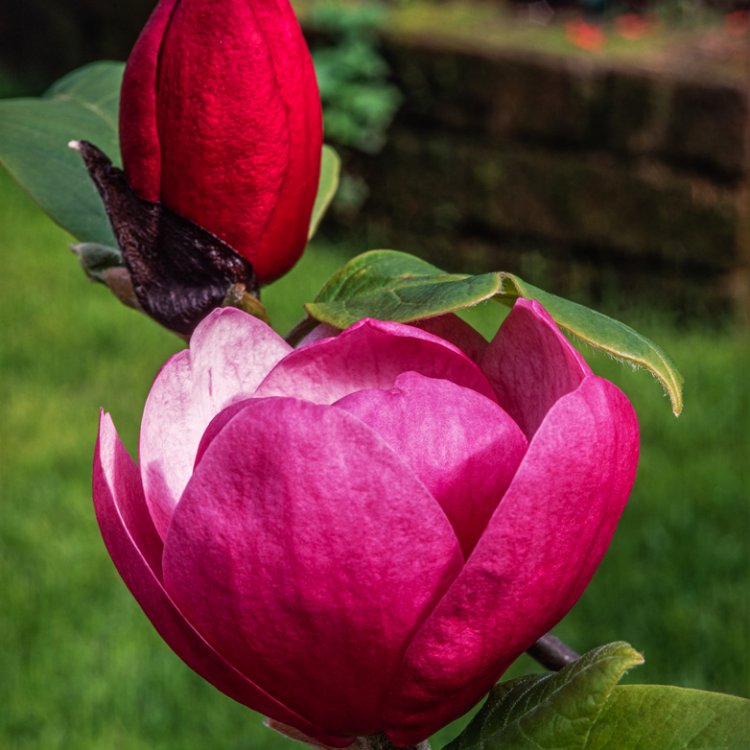
Experience the unique allure of Magnolia Black Tulip, a stunning deciduous tree celebrated for its magnificent, deep maroon-purple, tulip-shaped flowers.
This exceptional cultivar truly captivates with its dramatic blooms, appearing early in spring before the leaves emerge. It presents an unforgettable spectacle in any UK garden. The striking colour of each flower adds a touch of sophistication and depth, making it a standout feature. Furthermore, its upright, compact growth habit ensures it fits well into various garden designs. Gardeners often choose Magnolia Black Tulip to create a focal point, knowing it will deliver unparalleled visual impact. Its early flowering also provides vital nectar for early-waking pollinators.
The Magnolia Black Tulip stands out for its extraordinary flowers. Each bloom forms a perfect goblet, like a large tulip. Their colour is a deep maroon-purple, appearing almost black in bud. These striking flowers emerge on bare branches, creating a breathtaking display. They open to reveal a slightly lighter interior. This adds to their intricate beauty. This cultivar offers magnificent, consistent blooms.
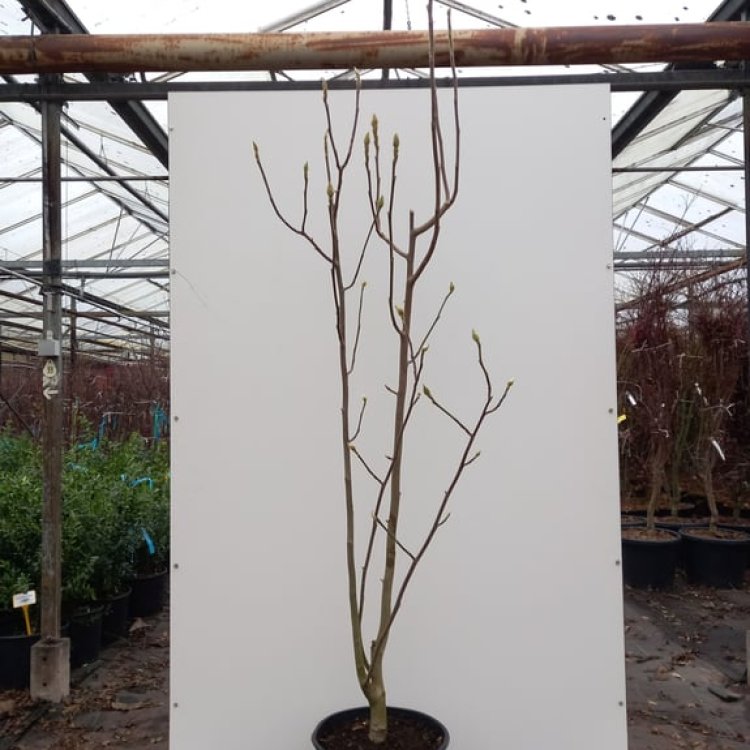
Following the stunning floral show, bright green, ovate leaves unfurl. They provide a lush backdrop throughout the summer months. This deciduous tree sheds its leaves in autumn, preparing for another spectacular spring display. Magnolia Black Tulip typically grows as a compact, upright tree or a large multi-stemmed shrub. It maintains a neat form, making it suitable for smaller gardens too. Its mature shape adds structural elegance to any landscape design.
Gardeners often choose this plant as a striking specimen tree. Place it where its early spring flowers can be fully admired. It works wonderfully as a focal point in a lawn. Also, consider it for mixed borders, where its dark blooms contrast beautifully with lighter spring greens. Ensure a sheltered spot to protect its delicate early flowers from harsh winds or late frosts. This helps to extend the life of the blooms.
Gardeners usually need minimal pruning for Magnolia Black Tulip. If you need to prune, do it immediately after flowering. This helps avoid removing next year’s flower buds. Focus on removing any dead, damaged, or crossing branches. You can also lightly shape the tree to maintain its desired form. Always use clean, sharp secateurs to promote healthy regrowth and prevent disease.
The early spring blooms of Magnolia Black Tulip offer an important food source. They provide nectar for early emerging bees and other pollinators. These insects are vital for garden health and local ecosystems. By planting this magnolia, you contribute to supporting biodiversity. It helps create a welcoming habitat for beneficial wildlife in your garden.
Very hardy. Tolerates temperatures typical of a continental winter.
Ensure regular watering, especially for newly planted Magnolia Black Tulip during its first year. Apply a balanced, slow-release fertiliser in early spring to support healthy growth and flowering. Prune minimally, immediately after flowering, to remove any dead, damaged, or crossing branches. You can also lightly shape the plant at this time. Protect early emerging flower buds from late spring frosts, particularly in exposed sites, to prevent damage.
This plant is deciduous so it will lose all of its leaves in the autumn and get fresh new foliage each spring.