£15.08 – £17.44Price range: £15.08 through £17.44
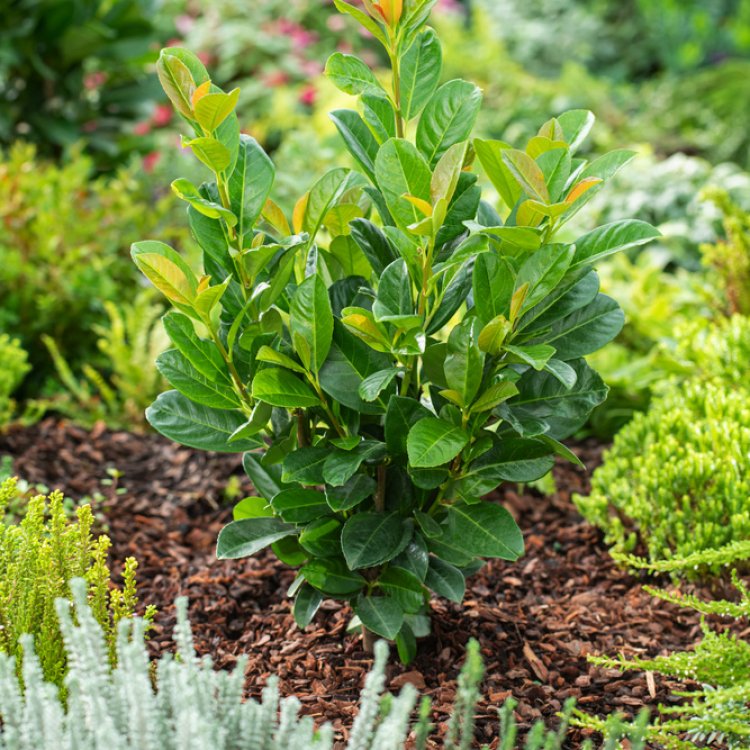
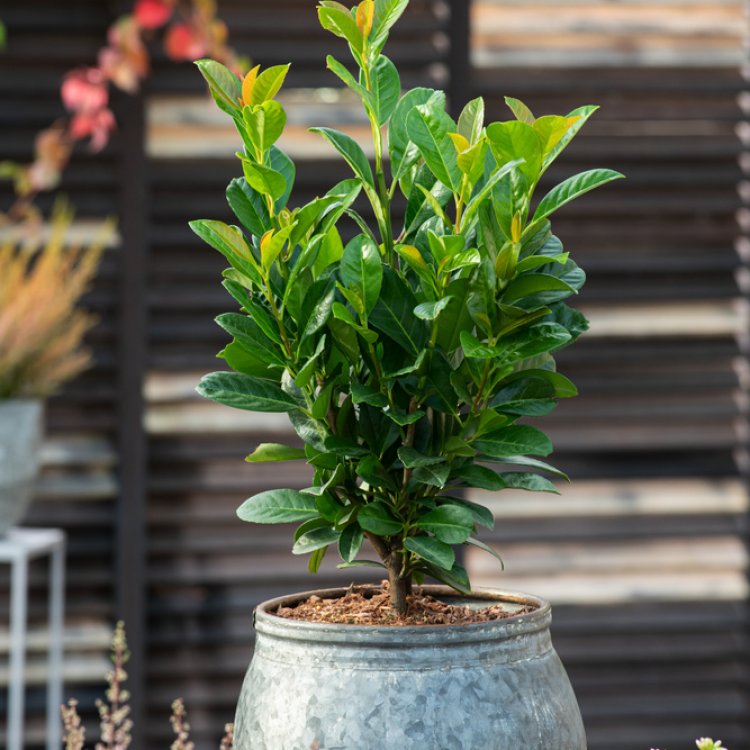
Prunus l. Bonaparte, a Portuguese Laurel cultivar, is an elegant evergreen shrub. It features glossy dark green leaves, reddish new growth, and fragrant white flowers in summer, followed by berries. Ideal for hedges or as a specimen, it offers year-round beauty and supports wildlife.
600 in stock
Prunus l. Bonaparte is a superb evergreen shrub, renowned for its glossy foliage and versatile nature, bringing year-round structure to UK gardens.
This distinct cultivar of Portuguese Laurel, also known as Prunus lusitanica Bonaparte, offers a refined aesthetic. Its dense, upright habit and attractive leaves make it a favoured choice for gardeners seeking both beauty and utility. Originating from the Iberian Peninsula, the species Prunus lusitanica is well-adapted to varied climates. This particular form, ‘Bonaparte’, distinguishes itself with a more compact growth, thus making it an excellent option for a range of garden designs. It establishes well and becomes a robust plant, adding enduring elegance to any outdoor space.
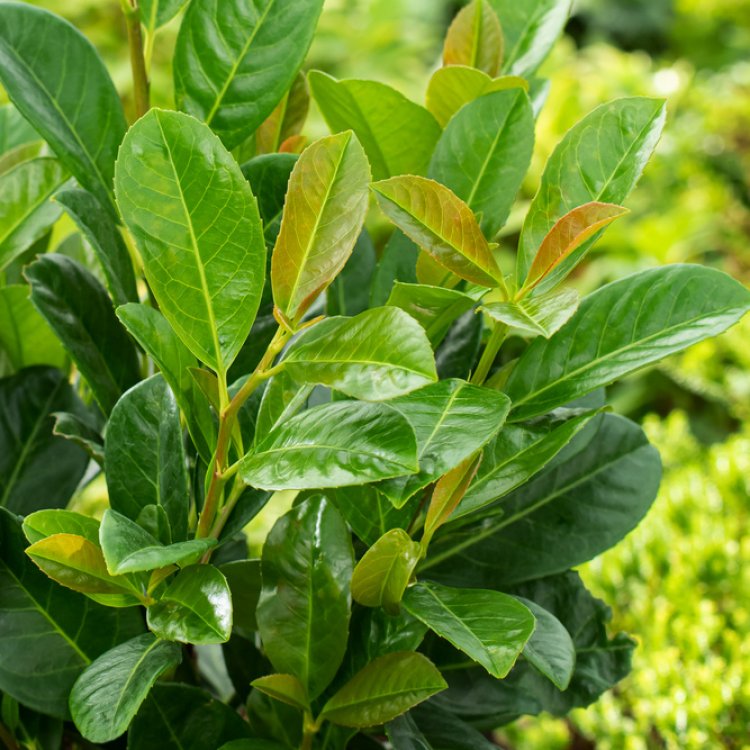
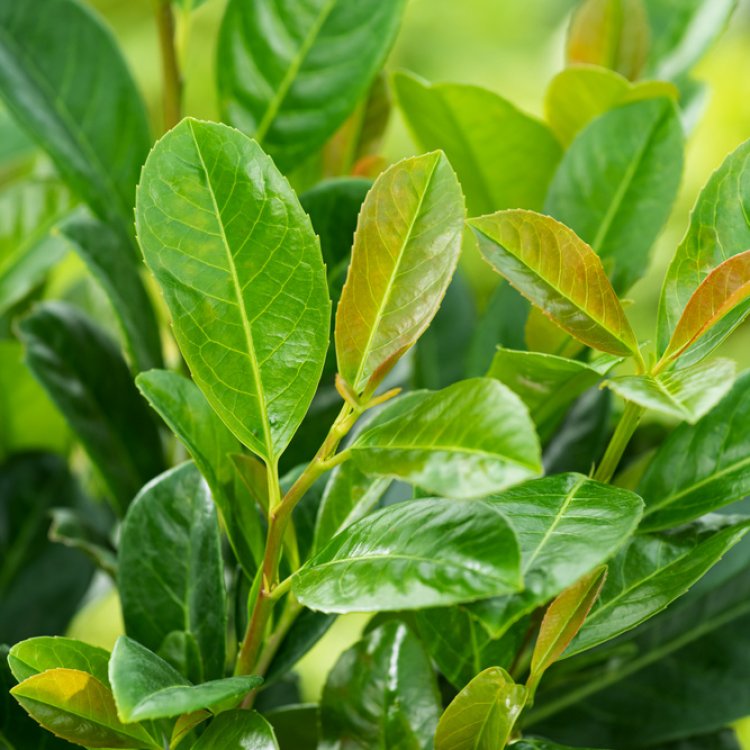
The name ‘Bonaparte’ evokes a sense of grandeur and structure, which perfectly suits this cultivar. Indeed, Prunus l. Bonaparte provides a commanding presence in the garden. Its leaves are a deep, lustrous green, creating a rich backdrop throughout the year. Interestingly, the new shoots emerge with a distinct reddish tint, adding a subtle splash of colour before maturing. Furthermore, the leaf stalks, or petioles, maintain a lovely red hue, providing continuous interest.
During June and July, this Portuguese Laurel cultivar produces delicate, creamy-white flowers. These blooms appear in slender, upright racemes, also known as spikes. Their subtle fragrance drifts pleasantly on summer breezes, inviting bees and other valuable pollinators into the garden. As the summer progresses, the flowers give way to small, pea-sized berries. Initially bright red, these berries gradually darken to a deep black. While toxic to humans if ingested, these fruits are a vital food source for many species of garden birds, especially in late summer and autumn.
Gardeners value Prunus l. Bonaparte for its exceptional versatility. It forms an outstanding formal hedge, offering privacy and shelter due to its dense branching structure. Moreover, it works equally well as an an informal screen, creating a living boundary. Alternatively, it can stand alone as a handsome specimen shrub, perhaps pruned into a neat, architectural shape. Its compact nature means it remains manageable, even in smaller gardens. This plant readily accepts pruning, allowing for shaping and size control. Regular light pruning helps maintain its desired form, ensuring a tidy and attractive appearance. In summary, this plant is a dependable and beautiful choice for any UK garden.
Hardy in all of the UK and northern Europe. Suitable for exposed sites.
Ensure regular watering during the establishment phase, especially in dry periods. Apply a balanced, general-purpose fertiliser annually in spring to support healthy growth. Prune Prunus l. Bonaparte after flowering, typically in late spring or early summer, to maintain its desired shape and size. It tolerates hard pruning if reduction in size is required.