£32.11 – £41.54Price range: £32.11 through £41.54
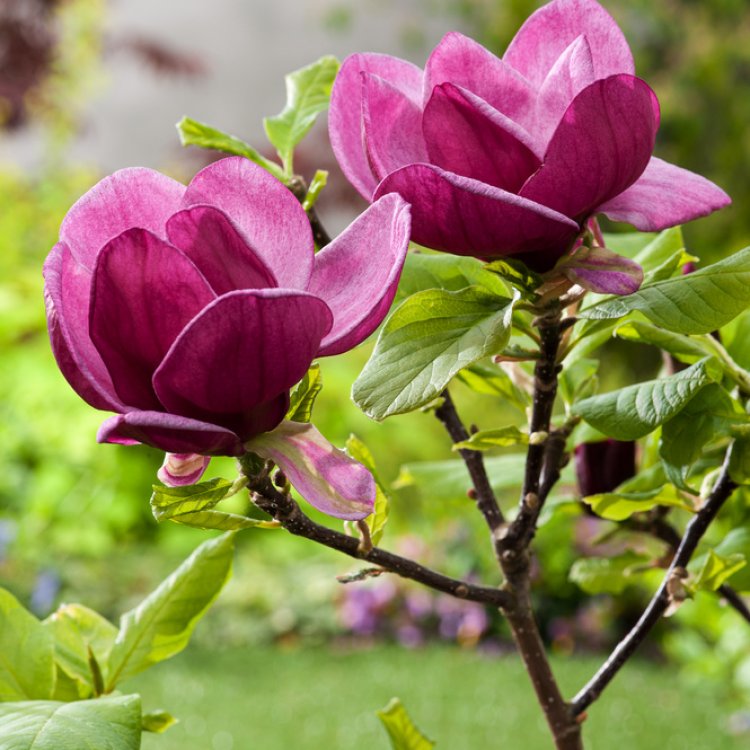
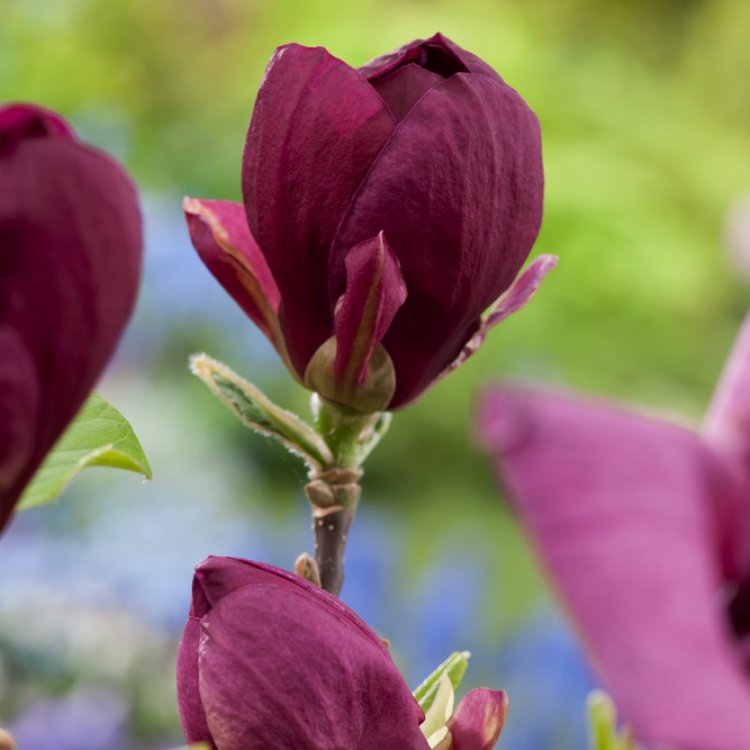
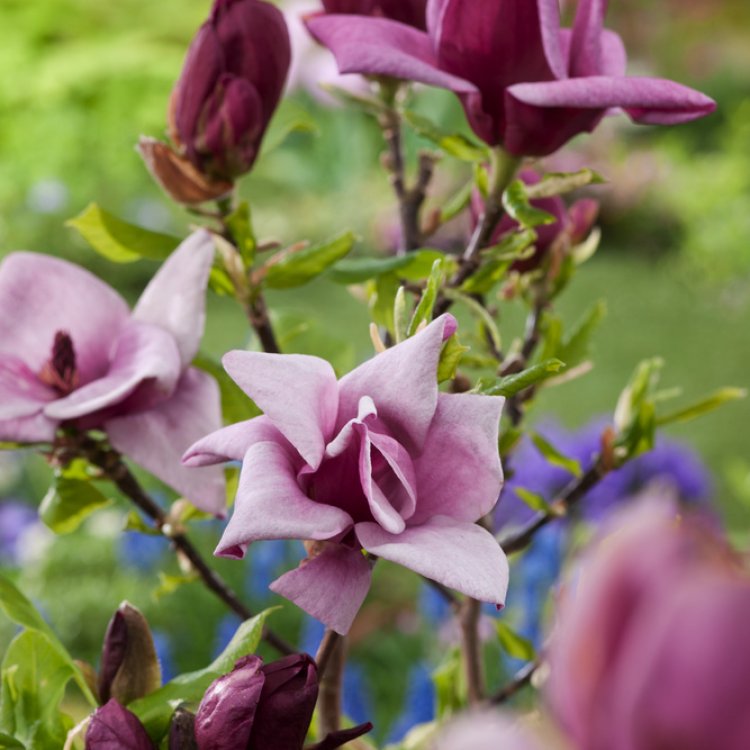
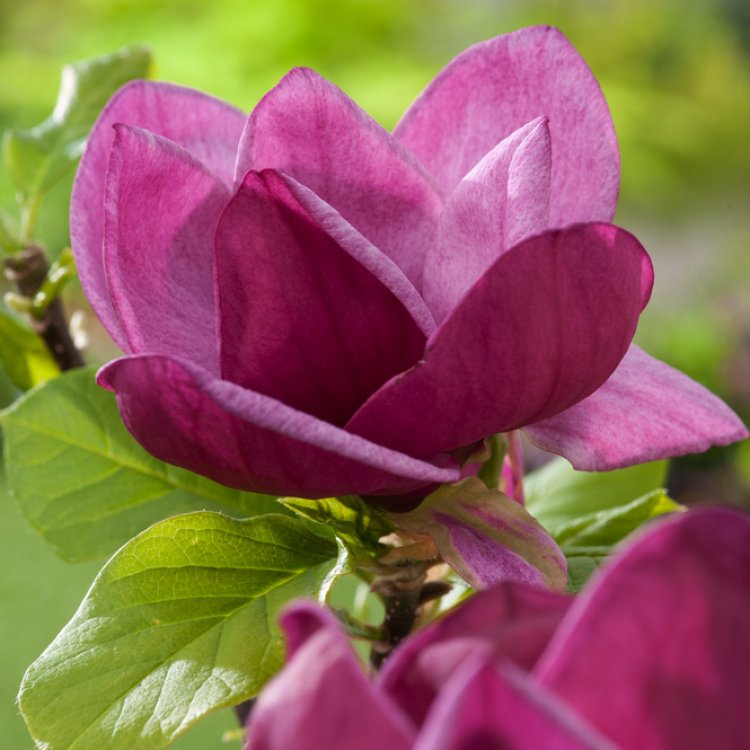
Magnolia ‘Genie’ captivates with its spectacular deep purple-red, goblet-shaped flowers, gracing UK gardens in early spring. This compact, deciduous plant often reblooms, bringing prolonged beauty to borders or as a stunning specimen.
36 in stock
Magnolia ‘Genie’ dazzles with its spectacular, deep purple, goblet-shaped flowers, bringing early spring magic to any UK garden.
Prepare to be enchanted by the luxurious display of Magnolia ‘Genie’. This outstanding deciduous shrub or small tree offers an unparalleled early spring spectacle, making it a star performer in British landscapes. Its unique, rich colour and elegant form quickly capture the imagination. Moreover, its relatively compact size means even smaller gardens can accommodate this magnificent plant, providing a touch of drama and sophistication.
The Allure of Magnolia ‘Genie’
Magnolia ‘Genie’ truly offers a breathtaking floral show. Its distinctive flowers emerge early in the spring, typically from March into April. Each bloom presents a deep, luxurious purple-red, beautifully formed into an elegant goblet shape. These exquisite flowers often measure up to 15cm across, creating a bold garden statement.
A delightful, subtle fragrance also emanates from the blooms, adding another layer of charm. This magnolia frequently surprises gardeners with a second, lighter flush of flowers later in the summer. This rebloom often occurs after a warm spring, thus providing prolonged garden interest.
A Compact Beauty for UK Gardens
Unlike many larger magnolia varieties, Magnolia ‘Genie’ boasts a compact, upright growth habit. This makes it an excellent choice for smaller gardens or for adding vertical interest to a mixed border. It typically matures to an approximate height of 4 metres and spreads to about 2 metres, achieving this size at an average growth rate.
As a deciduous plant, it sheds its mid-green leaves in autumn. It then prepares for its spectacular floral return in spring. This seasonal change adds dynamic beauty to your garden landscape.
Origin and Name
The enchanting Magnolia ‘Genie’ cultivar originated in New Zealand, a testament to modern plant breeding. Vance Hooper skillfully developed this particular variety. The name ‘Genie’ perfectly captures the magical, almost wish-fulfilling appearance of its dark, elegant flowers. This name suggests a plant that grants wishes for stunning early spring colour.
Garden Placement and Appeal
Positioning your Magnolia ‘Genie’ correctly ensures its best performance. It thrives in full sun to partial shade, so choose a spot that receives adequate light. Well-drained soil, which is preferably acidic to neutral, will provide ideal growing conditions. This plant makes a superb specimen tree, truly standing out when planted individually in a lawn or border.
Alternatively, incorporate it into a mixed shrub border for contrasting colour and form. Its early flowers also offer a welcome food source for pollinators like bees, further enhancing your garden’s biodiversity. Pruning is generally minimal, focusing on removing any dead or crossing branches after the main flowering period.
Hardy in all of the UK and northern Europe. Suitable for exposed sites.
Magnolia 'Genie' thrives with consistent moisture, especially during dry spells; therefore, mulch around the base helps retain soil moisture. If your soil isn't naturally acidic, an ericaceous feed in spring will benefit its growth. Minimal pruning is typically required, mainly to remove dead, damaged, or crossing branches immediately after the main flowering period. Protect early emerging blooms on young plants from late spring frosts.
This plant is deciduous so it will lose all of its leaves in the autumn and get fresh new foliage each spring.